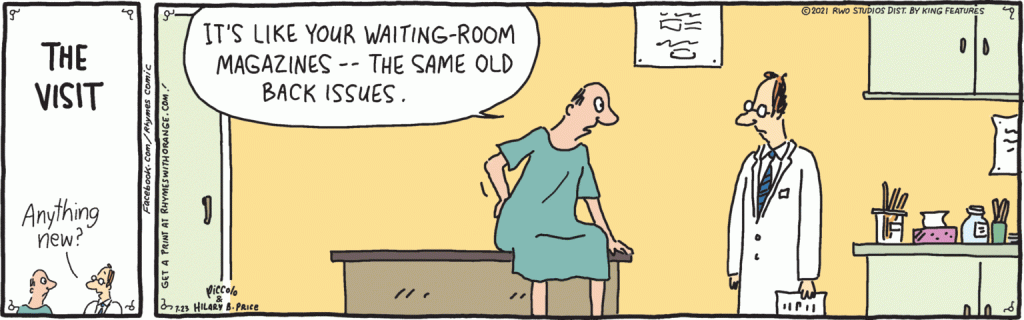
Not a difficult pun, but amusing.


From Boise Ed, who adds “Nomophobia” is now a real word, derived from “NO MObile.”

Not a difficult pun, but amusing.
From Boise Ed, who adds “Nomophobia” is now a real word, derived from “NO MObile.”
Something of an Ewww-Oy, as well as inspiring the tag misapplied-tech-talk!

(Mannequin on the Moon)

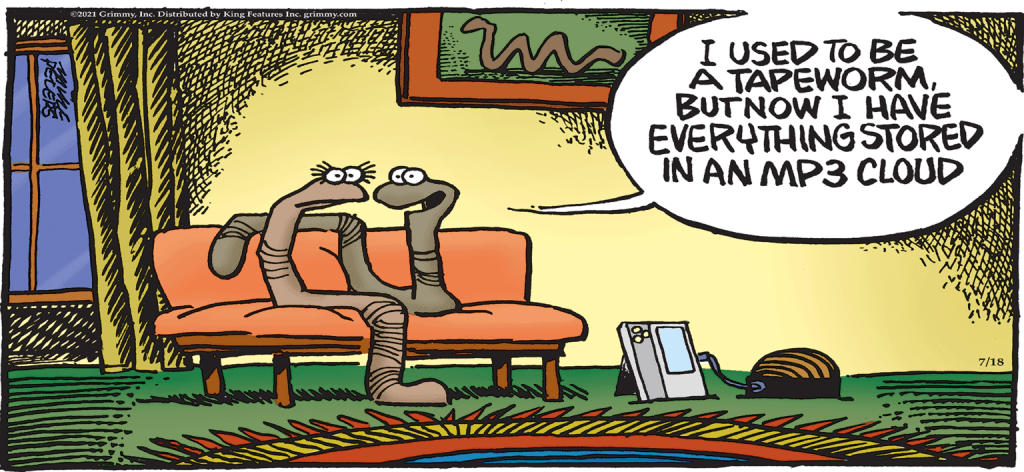
From Andréa, as a kind of Arlo-OY:


Also Andréa:
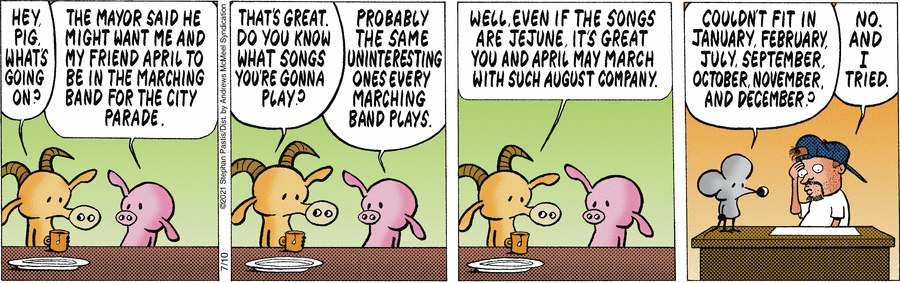
This is not a full-fledged Sunday comic, but the intro and the two “throwaway” panels. Yet here is where the funny bit was!

From Mark Jackson:
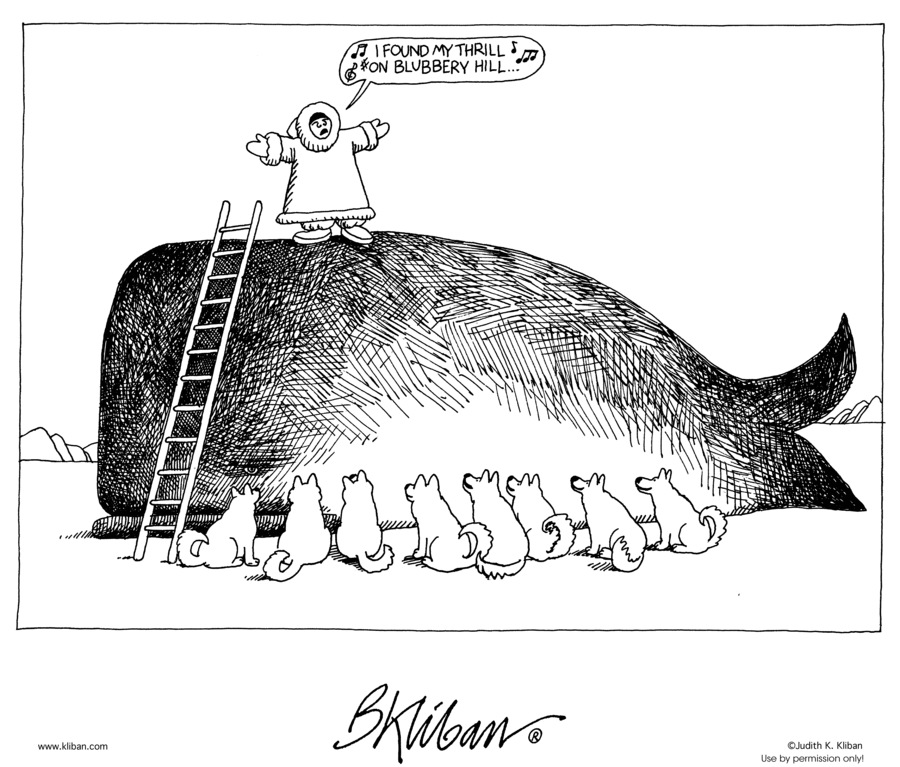
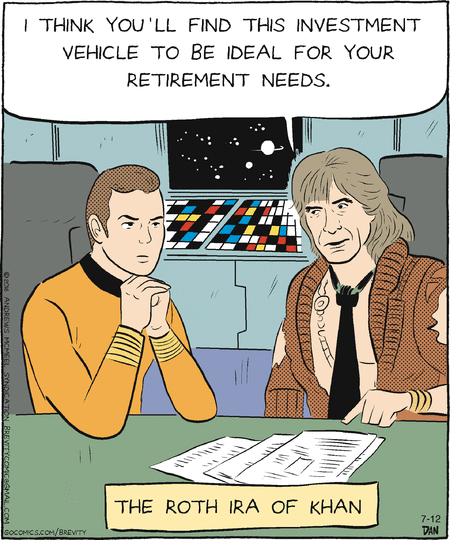
Of course people have always thought “Ira Roth” could be someone’s name.

Oh wait! Just noticed that Arnold Zwicky’s blog goes into linguistic and referential detail about this one.
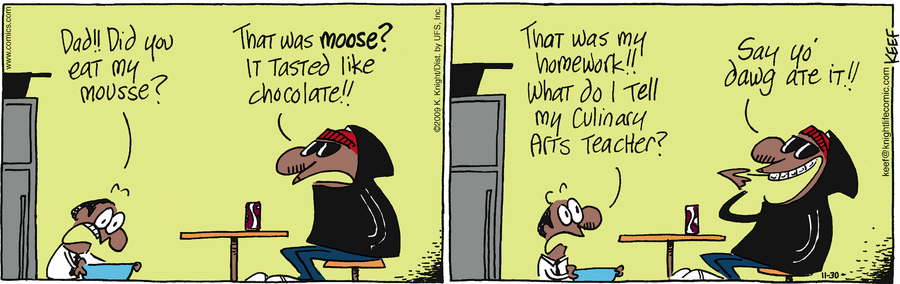


Do they have something backwards, tho?

Hmm, the status as an OY may be slightly dubious, but it’s worth it.
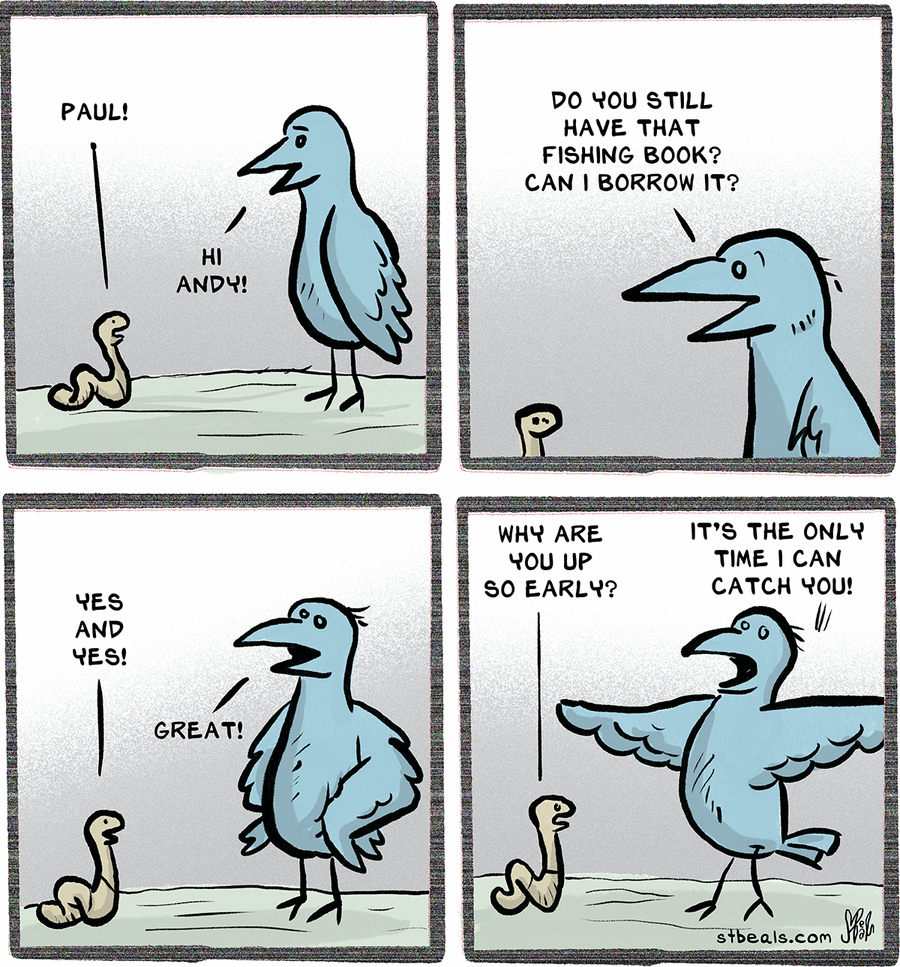
Thanks to Andréa for sending this in, and letting us repair the omission of a holiday-themed post.
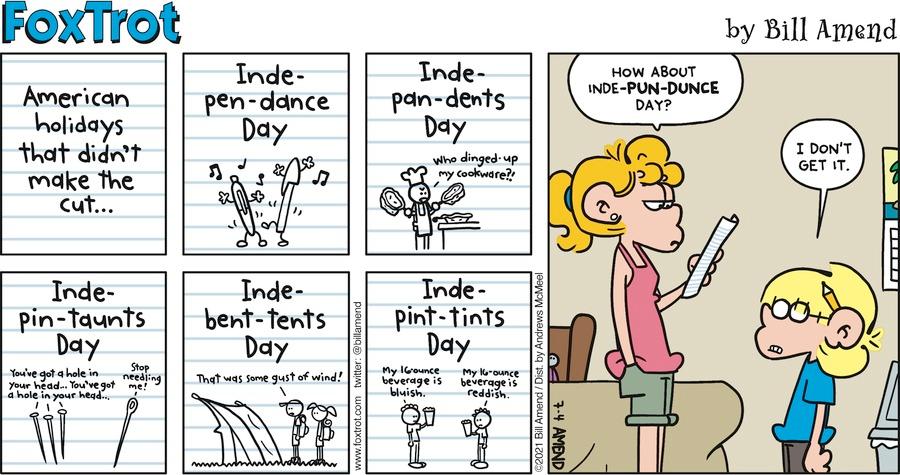





A paradigmatic LOL-OY from Pearls:

And it’s a double-PBS week with this one from Stan:

And Stan further suggests you need geezer credentials to get the reference in this Oy-LOL, but it shouldn’t be hard for any cohort to pick up on:

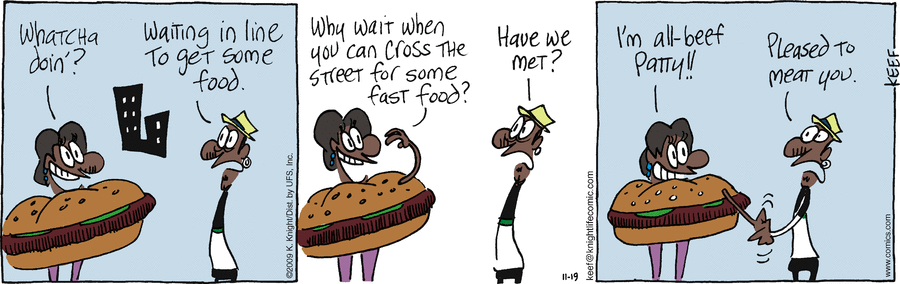
A pair (will it continue?) of Oy-based punch lines from Keith Knight.
Bet “pleased to meat you” will not become the hot new greeting this year..
(Okay, these are not currently dated.)

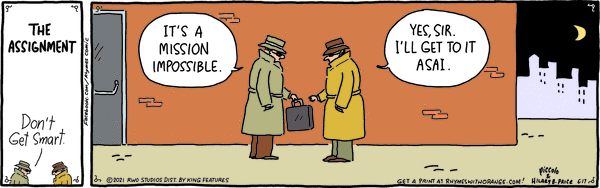
A possible double pun, from Andréa:


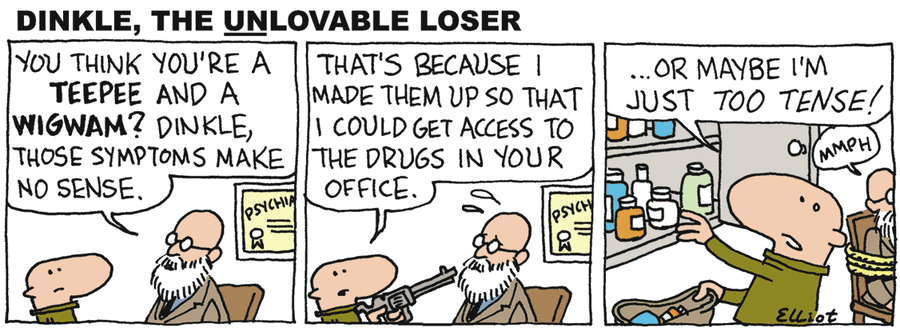
(A Super-Fun-Pak Comix)
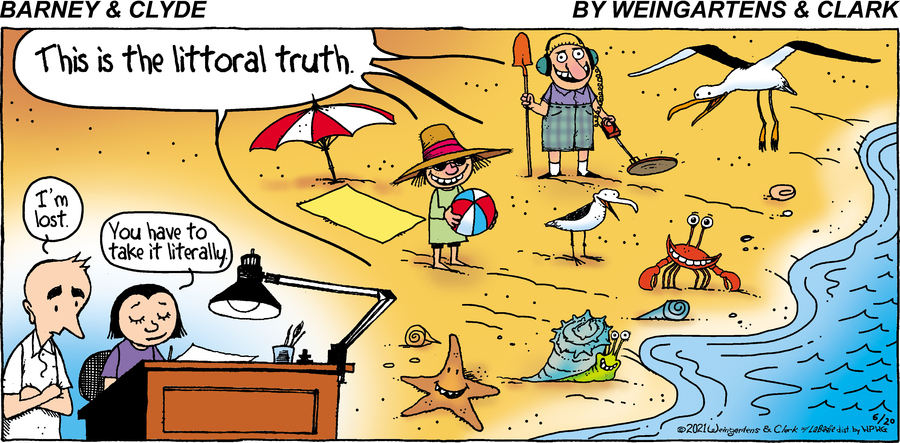
Bizarro provides an excellent new word! Via Andréa:


Also via Andréa:

From Andréa, here is a matched pair of geezer-warning Oys!

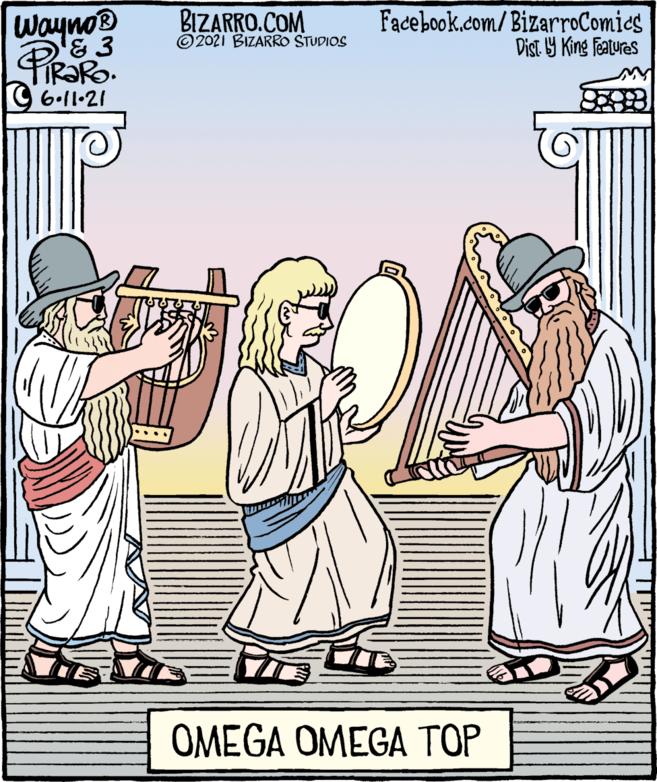

Was that a good word-play or more simply a LOL?



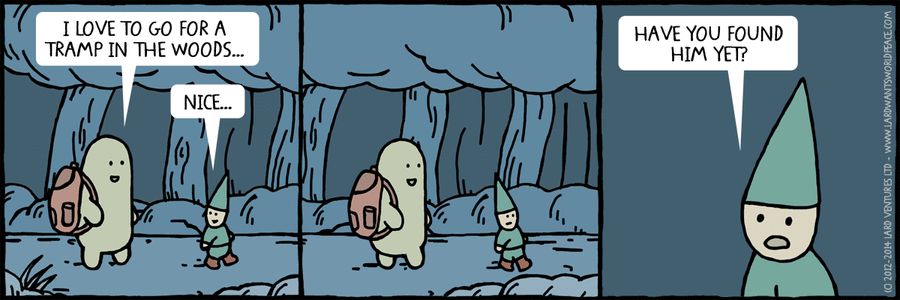
A real groaner from XKCD, sent to us by Mark Jackson:

This Argyle Sweater from Andréa — but is it still sweater weather there?

 Comics I Don't Understand