Continuing the metaphor: orange traffic cones are like the Legos strewn around the floor for the enjoyment of our feet. Potholes are teenage acne. Tickets are tuition bills.
A little cross-strip banter –
Hey, I don’t care that it’s been debunked, we can still have jokes based on it!
Thanks to Usual John, for suggesting this one, and also for alerting us that D.D. Degg’s column at The Daily Cartoonist had a look at this strip , and very courteously linked to us when he applied the phrase “Comic I Don’t Understand” to this ThatABaby.
All right — Why Dagwood? Do you think he is known for Frisbee mishaps?
Just BTW, does “aggro” in casual speech these days mean aggressive or aggravating?
Dýou think this is well-positioned to become even more popular than the one about the land of the blind?
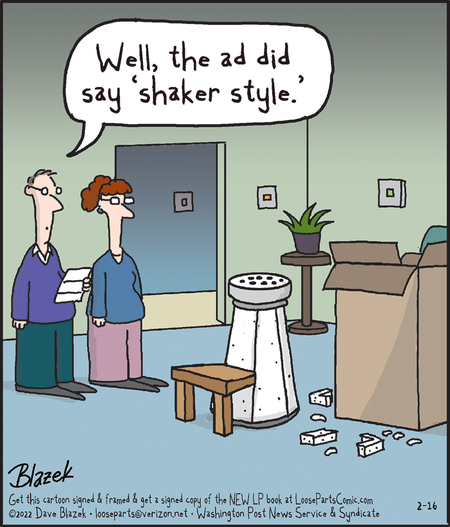
A fine line between pun and equivocation.
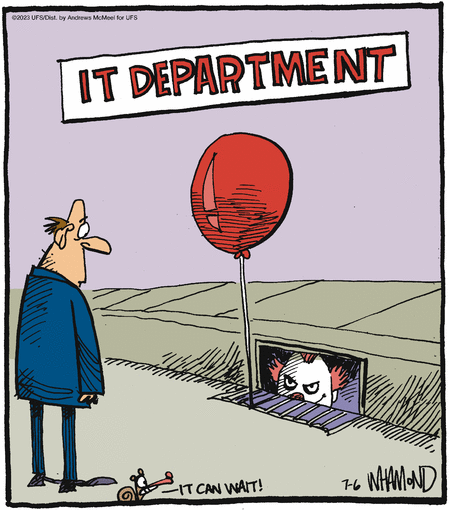
In the GoComics comments, Teresa Burritt (creator of Frog Applause) revealed that this was a CIDU for her! (Several commenters answered to provide the Stephen King reference.)
Thanks to Bill R, who says “It’s like they’re daring us to figure it out”. Which is why there is a CIDU category (“tag”) on this, along with the “(Not a CIDU)” for the OYs list in general. Look, don’t question it too hard. Oh, and it’s not a pun really, but gets an OY as a language-related item. Also this list was sitting bare too long …
The usage they’re disputing over was taught in my schooldays as one of “those common mistakes to be avoided”.
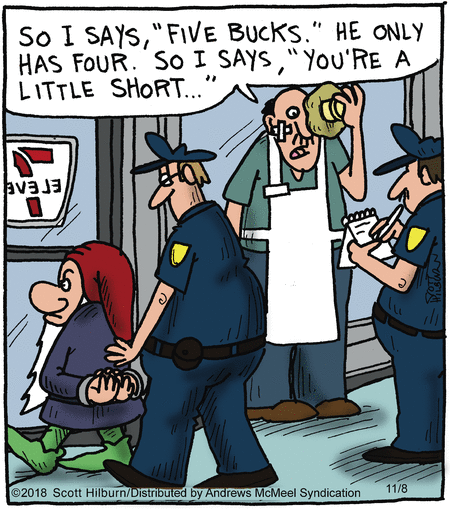
OK, I think (but am not positive) that I get the alternate meaning the joke depends on — from too many crime shows, the best deals a defendant’s lawyer might hope to extract from a prosecutor would involve setting no additional jail time, so the defendant gets to “walk away” or “take a walk”.
First I thought the outside guy was wearing an odd bathrobe; but throw in his laurel wreath and I guess he is at a toga party. But not the inside guy. Oh well, it doesn’t seem to affect the joke.
Possible cross-comic banter, based on spelling of the name?
I trust even the non-geezers will recognize “feghoot” as a term for a story that ends with an Oy as the punch. Is it a dig at PBS to point out it often uses feghoots?





















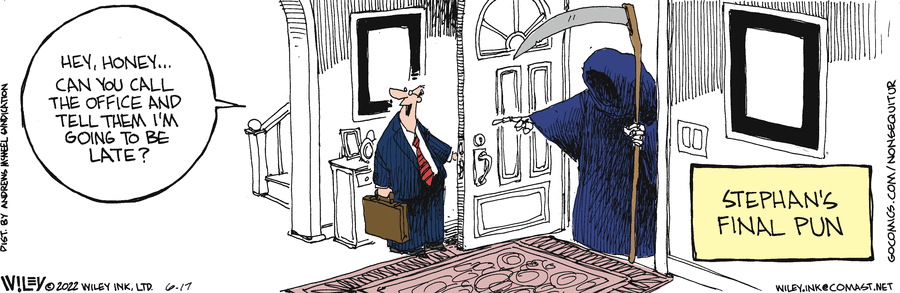
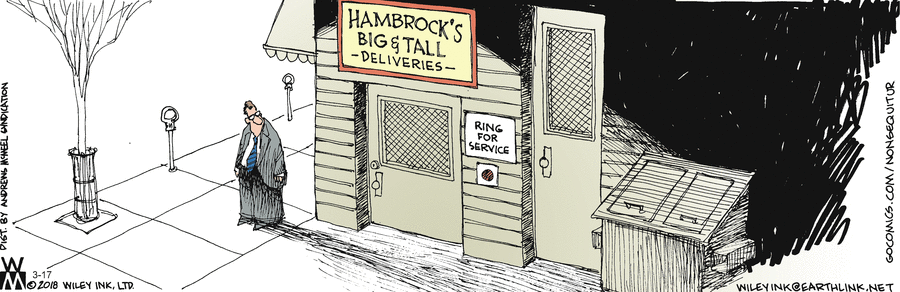


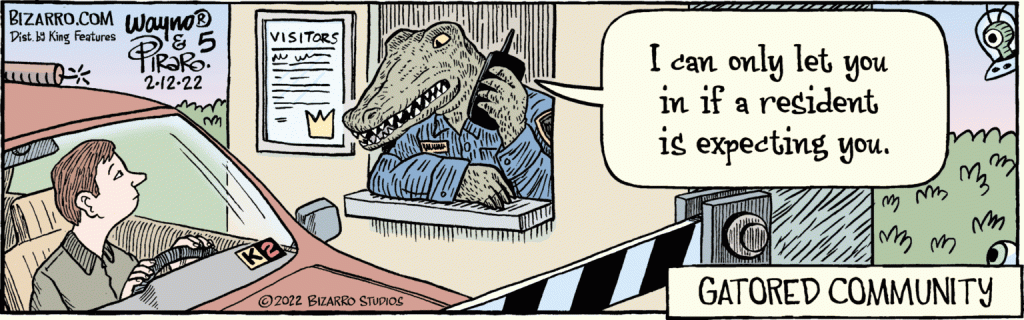
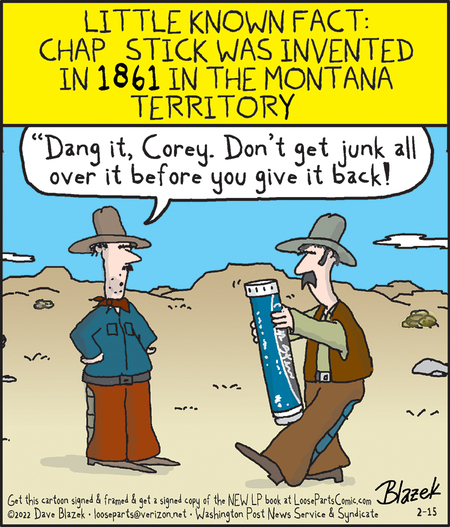
 Comics I Don't Understand