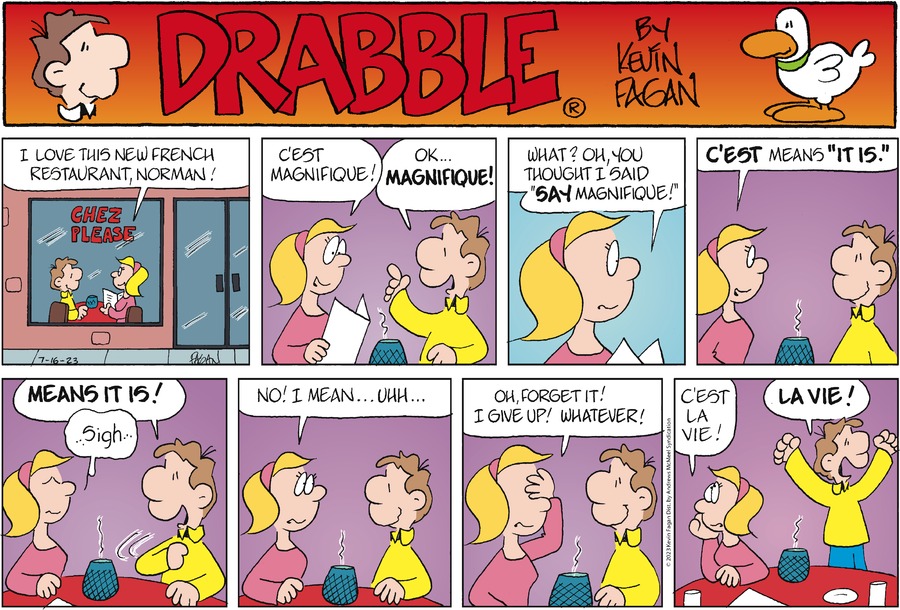
Ah, the legacy of “Who’s on first?” never runs dry!


Lost in Translation?

Ah, the legacy of “Who’s on first?” never runs dry!


Lost in Translation?


There are some who object to shrimp scampi on the grounds that it is somewhat a translated-redundancy; based on
/ ˈskæm pi, ˈskɑm- /
noun,plural scam·pi.Italian Cooking.
but then there is 2. a dish of shrimp or prawns grilled or sautéed in oil or butter and garlic, which is what we want shrimp scampi to mean.
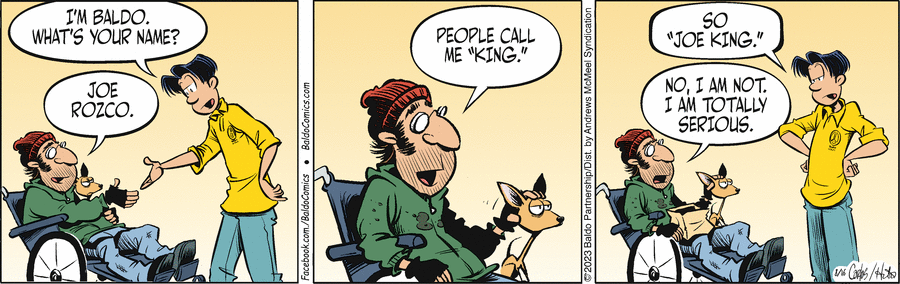
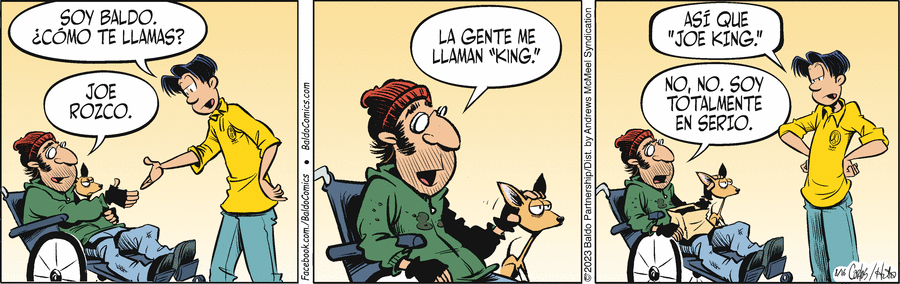
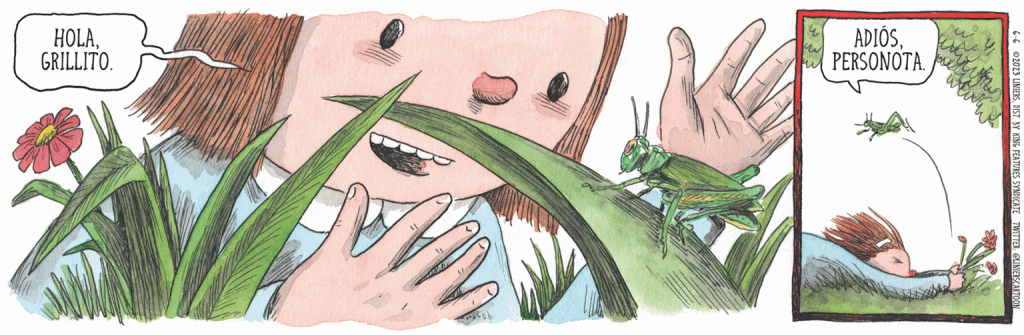
Parallel to our question for Baldo, but probably with opposite conclusion, this pair suggests confirmation that for Macanudo the Spanish version comes first and the English results from translation.


The humor is from, well first of all the behaviors of the two species, but after that the creative way the suffixes are used in the Spanish. (I don’t think the -ota is entirely standard. but is creatively deployed to convey “large”. Comments welcome from experts and fluent or native speakers!)
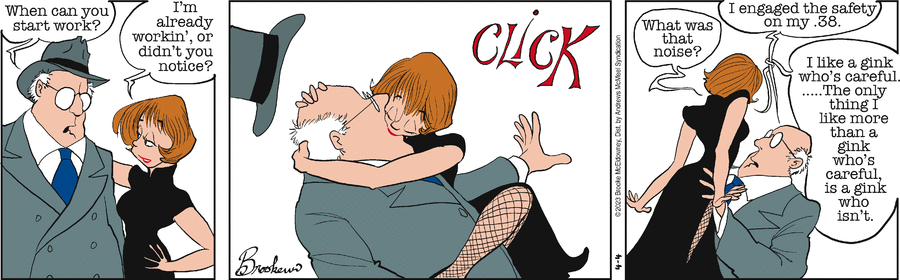
McEldowney’s meaning for gink must be quite different from the one I am most familiar with!

The Urban Dictionary of course gives some dozen unrelated entries of varying plausibility, some of which could work in this cartoon context. (But none of which are exactly mine.) The slang section of dictionary.com is more sober, but the main American entry could work with the cartoon:
noun Slang: Sometimes Disparaging and Offensive.
a person; fellow.
Is that all there is to it? Or do you see a better fit for one of the other definitions?

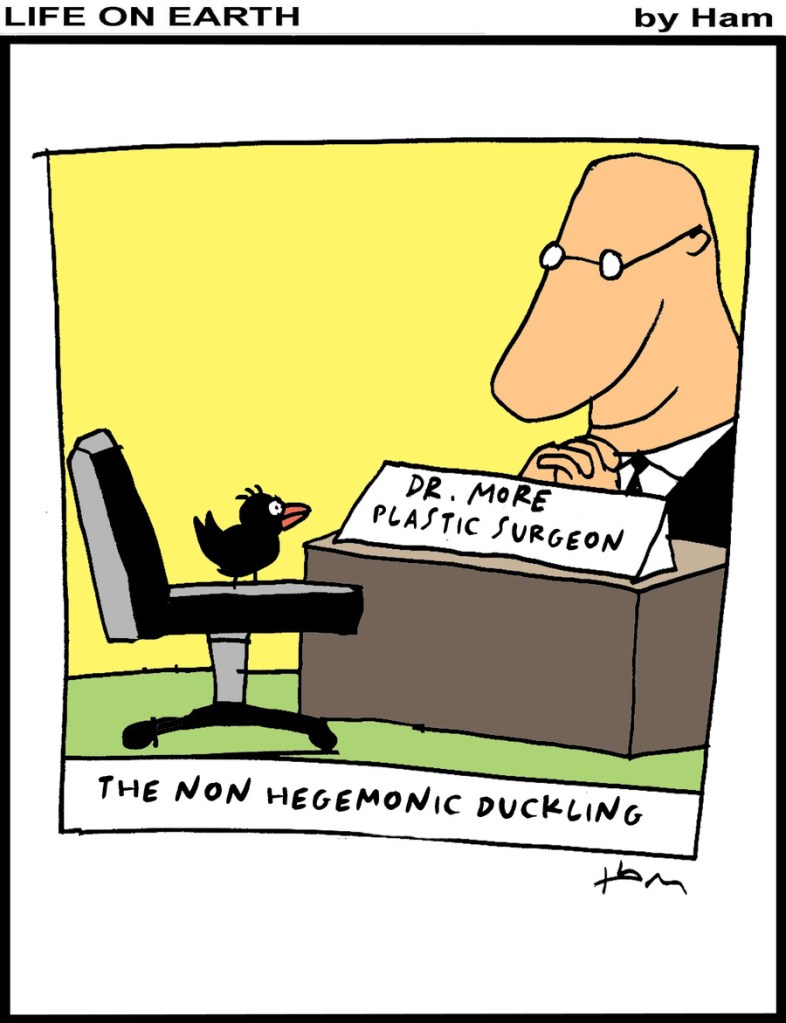
Maybe this should be held until the next time we assemble an Oopsies list post. But even if the wording owes something to bad translation or the author not being a native speaker of English, it’s still hard to guess how anything even somewhat plausibly translatable this way could fuel a story or joke to go with the drawing. Hey, is that even un patito at all?

There are likely some Jeopardy fans here. Isn’t is a great feeling when you get Final Jeopardy right, and none of the contestants do?


Chemgal notes that Bug Martini has been very sporadic of late, but this one brings a chuckle.


Hey, doesn’t the layout of the sticks and their backings look eerily like a face? Two eyes, round button nose, wide mouth …?

Okay, it’s nerd-amusing rather than outright hilarious …. But what a good excuse for posting a song!

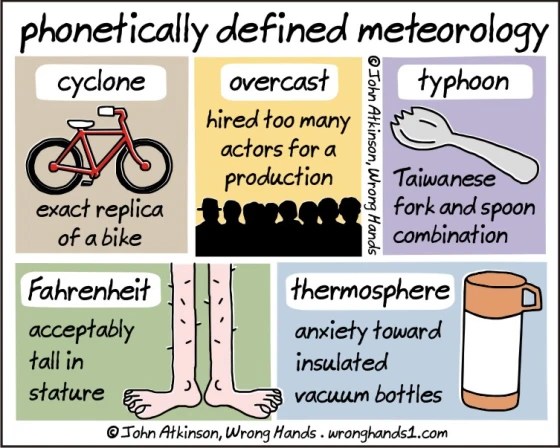
My guesses are that the Sporkula and Foon are made up, and that the Foodle was intended that way but in fact exists, under some other name. I think I’ve seen it used for lifting and serving spaghetti.


So clever! (But we may have to watch out for the pronunciation-guide people.)


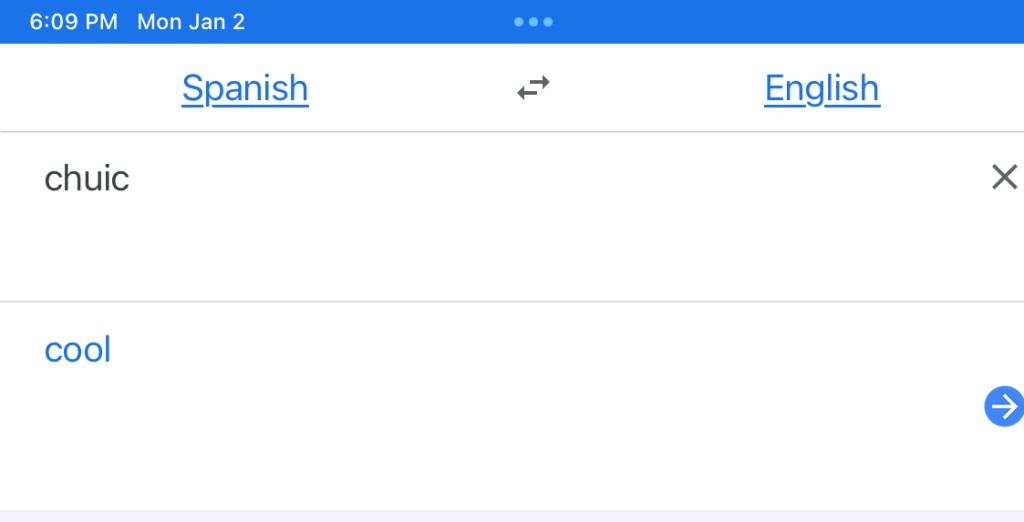
The Spanish version also has “chuic”, so could it be just an omission of translating? See if this helps:

But even if we put in “Cool!”, does that clarify the story/joke?
Thanks to Bill R, who says “It’s like they’re daring us to figure it out”. Which is why there is a CIDU category (“tag”) on this, along with the “(Not a CIDU)” for the OYs list in general. Look, don’t question it too hard. Oh, and it’s not a pun really, but gets an OY as a language-related item. Also this list was sitting bare too long …

The usage they’re disputing over was taught in my schooldays as one of “those common mistakes to be avoided”.


OK, I think (but am not positive) that I get the alternate meaning the joke depends on — from too many crime shows, the best deals a defendant’s lawyer might hope to extract from a prosecutor would involve setting no additional jail time, so the defendant gets to “walk away” or “take a walk”.


First I thought the outside guy was wearing an odd bathrobe; but throw in his laurel wreath and I guess he is at a toga party. But not the inside guy. Oh well, it doesn’t seem to affect the joke.


Possible cross-comic banter, based on spelling of the name?