I hate the name, but it has become the standard term for the mercenary free-for-all kickoff leading to the holiday shopping season.


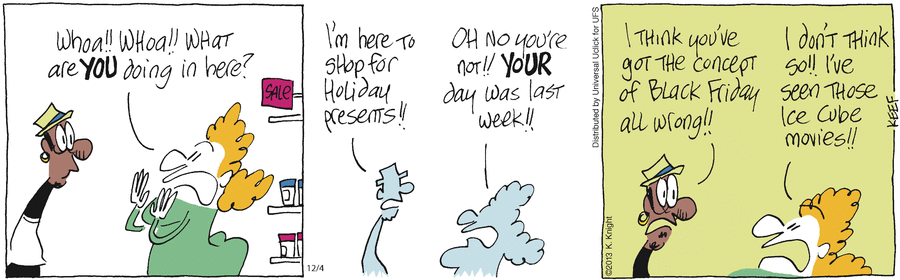
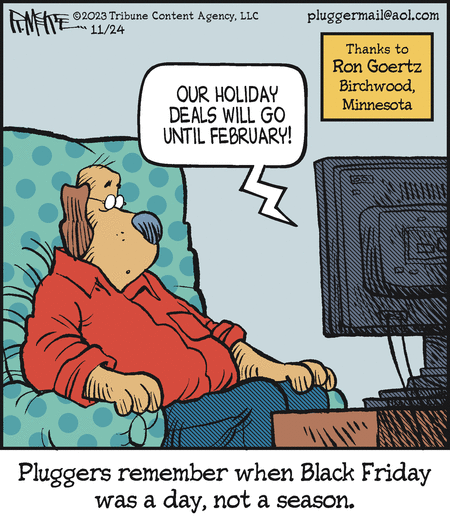
I hate the name, but it has become the standard term for the mercenary free-for-all kickoff leading to the holiday shopping season.
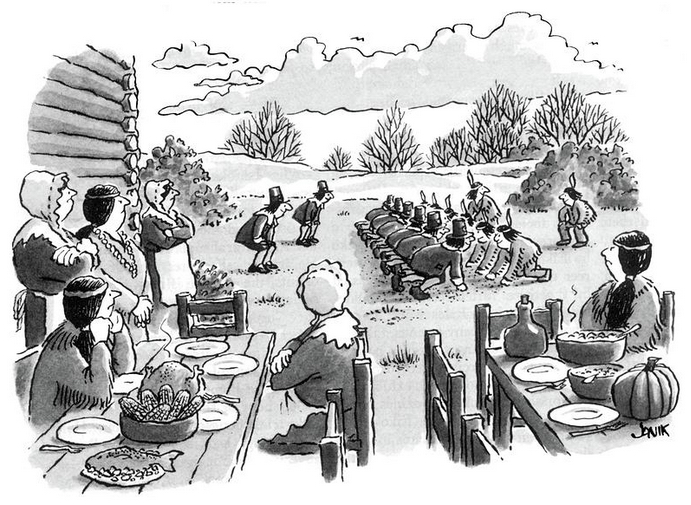
This cartoon by John Jonik was first published in the New Yorker exactly 41 years ago today, but I discovered it too late to add it to the Thanksgiving collection for 2023.
…
The headline above is modeled after a quote by Sepp Herberger, coach of the German national football soccer team: “After the game is always before the [next] game.” Of course, discussing football (of either variety) can sometimes be even more explosive than discussing politics.
Mark H. submitted this XKCD (#2858) last year; although it did get embedded in comments (such as in the No-Politics Zone), it’s still worth a repeat in a post:

…
P.S. The “mouseover” or “title” text reads: “An occasional source of mild Thanksgiving tension in my family is that my mother is a die-hard fan of The Core (2003), and various family members sometimes have differing levels of enthusiasm for her annual tradition of watching it.“
P.P.S. The link to the HuffPost article in the second panel still works (I already typed it in, so that you don’t have to).
…
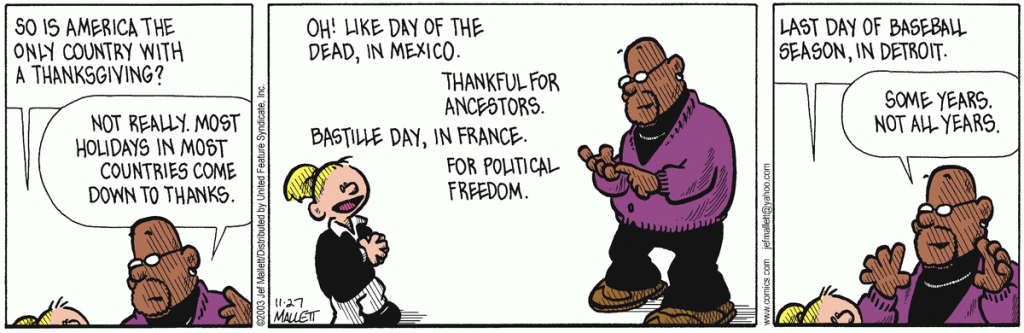
In Germany, it’s called “Erntedankfest” (literally: “harvest thanks festival”), and is celebrated on the first Sunday in October, but it is primarily an event for the liturgical calendar (both Catholic and Protestant), and is not (generally) celebrated by families at home.

…
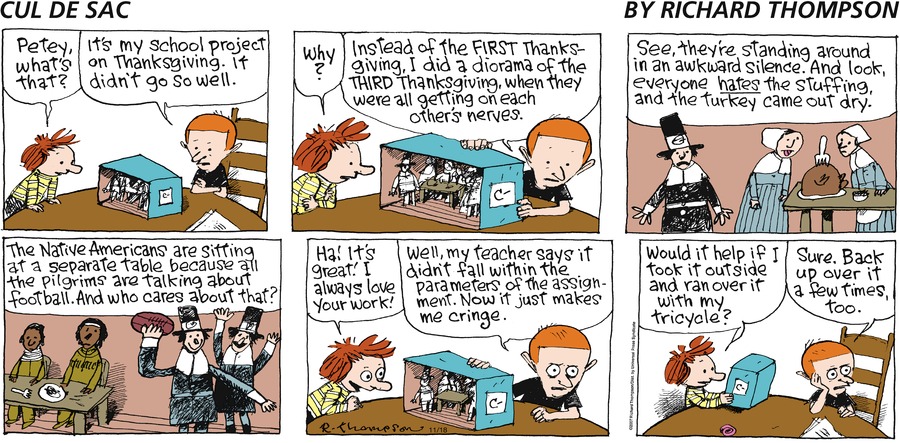
Several decades ago, my grandmother just happened to include a leftover bowl of (homemade) mac&cheese on the Thanksgiving dinner table, which resulted in some amused needling from my dad and uncle. However, both my sister and my aunt vigorously defended it, so that for many years thereafter, (fresh) mac&cheese became a standard component of my grandmother’s Thanksgiving menu.
…
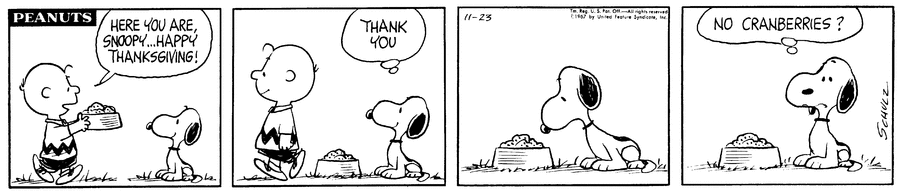
The final panel reminded me of the last scene in the song “Christmas Wrapping” by the Waitresses.
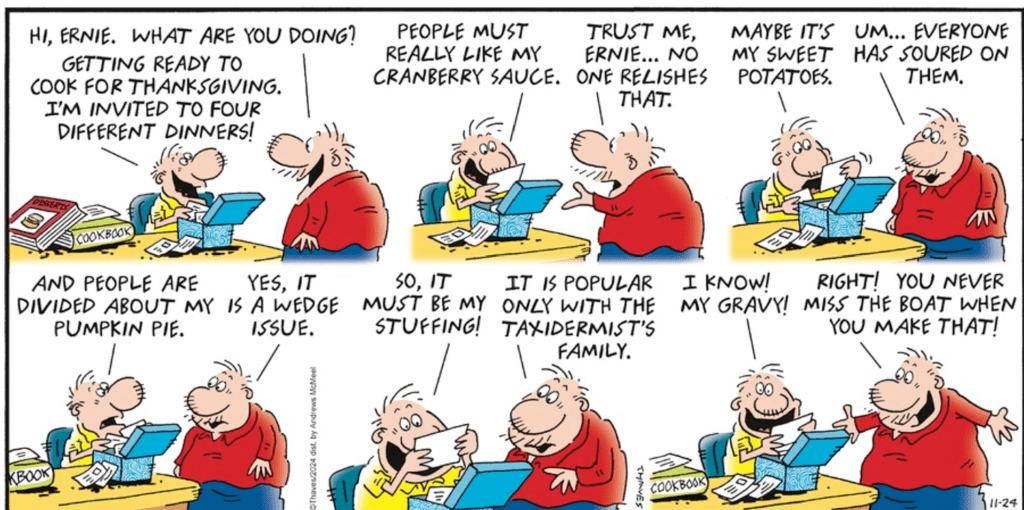
No cranberries? Frank and Ernest have suggestions:

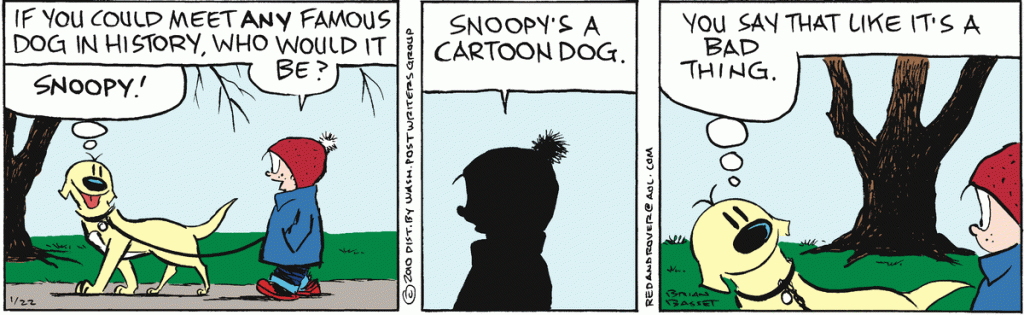
The first “Peanuts Day” retrospective ten weeks ago seemed to be reasonably popular, so here is another collection of Peanuts references and parodies, in honor of what would have been Charles M. Schulz’s 102nd birthday.
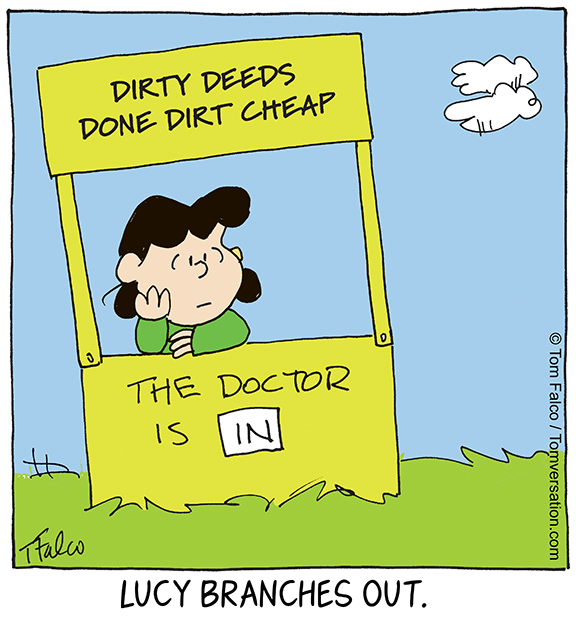
Back when it was originally published, Aaron submitted this Tom Falco comic, which was part of the 100th birthday tribute:
…
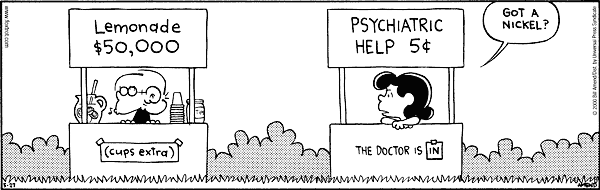
It’s pretty clear that Jason needs what Lucy is selling.
…
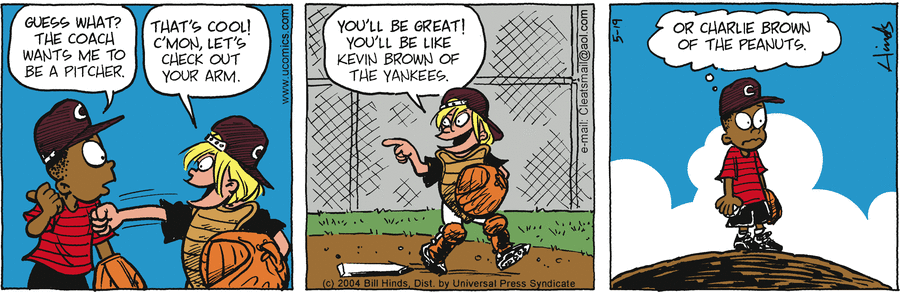
This “Cleats” strip was published early in the 2004 season, back when Kevin Brown was still a popular new acquisition for the Yankees, months before he became the notorious losing pitcher in game 7 of the ACLS (which at one point the Yankees had led 3:0). Kevin Brown retired just 16 months later, before the start of the 2006 season; I think Charlie Brown would have understood how he felt.

…
Only one of those three characters on the wall is actually missing.
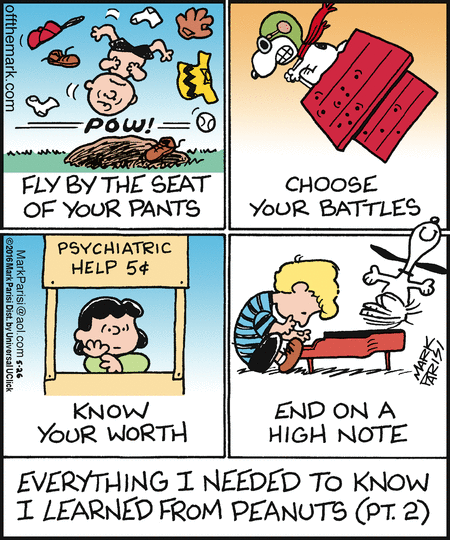
Mark Parisi frequently references Peanuts in “Off the Mark“. To his credit, he produces extremely accurate renditions of all the characters:


Those who don’t know history are doomed to repeat it:

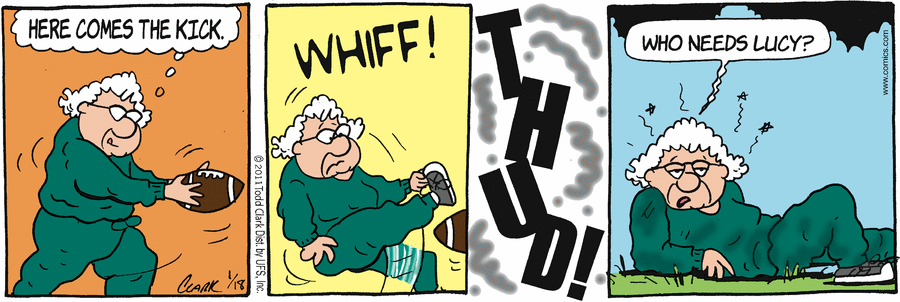
Various cartoonists seem to enjoy letting Charlie Brown have his moments of retroactive glory:

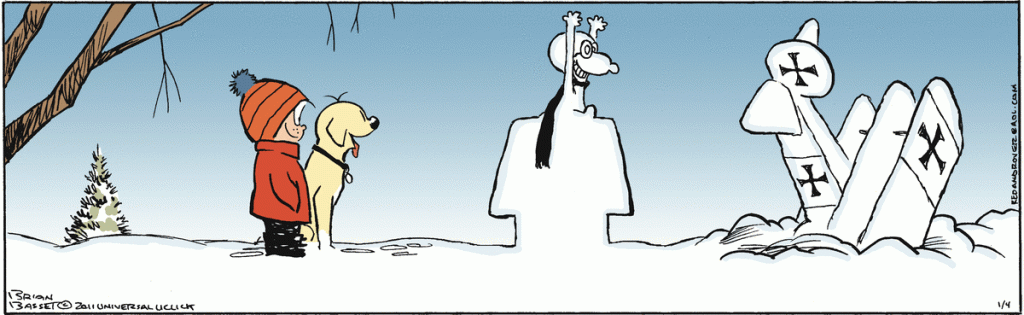
Snoopy finally gets his due as well:
If Charlie Brown had only known what was really happening:
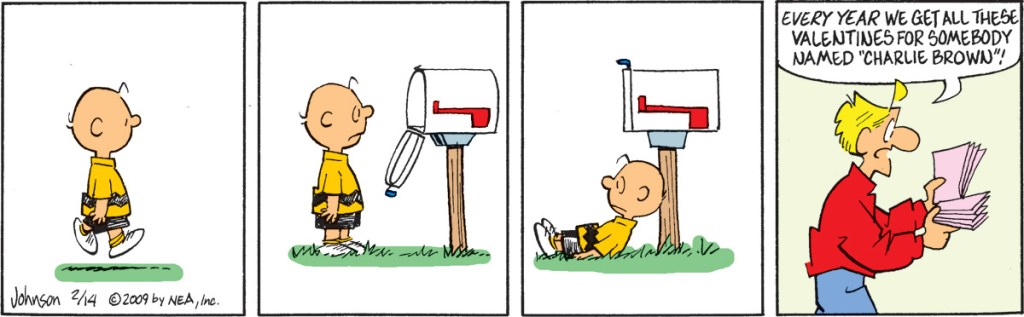
And finally:
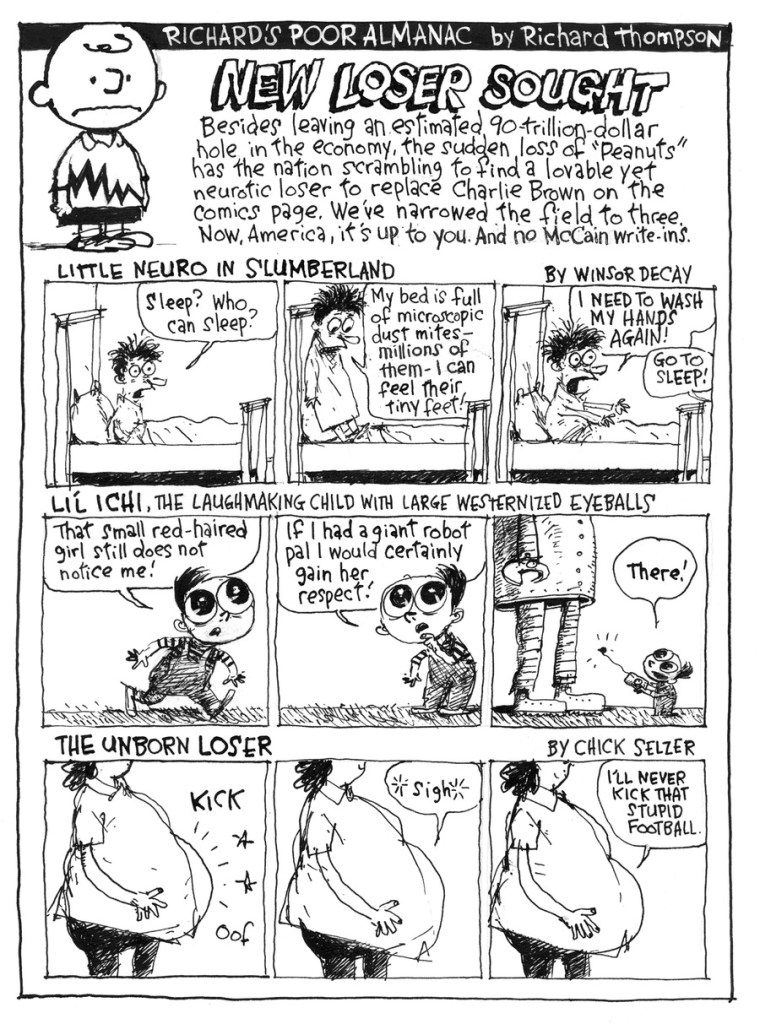
Boise Ed submitted this B.C. strip as a CIDU, but I think it qualifies as an LOL:

…
Ed had questioned the illogical elements of the setup: “I had forgotten that there is a restaurant chain called ‘The Cheesecake Factory‘, but why would anyone only eat roadkill, and why would anyone drive his car through that restaurant?“, but I think that it’s not supposed to make sense, it’s just supposed to be funny. The latter is something that the current author(s) don’t always achieve, so it’s always nice to see an exception.
MarkTa submitted this Wizard of Id strip as a CIDU quite a while ago, asking “Please help – is it about flatulence? Completely baffled.“

…
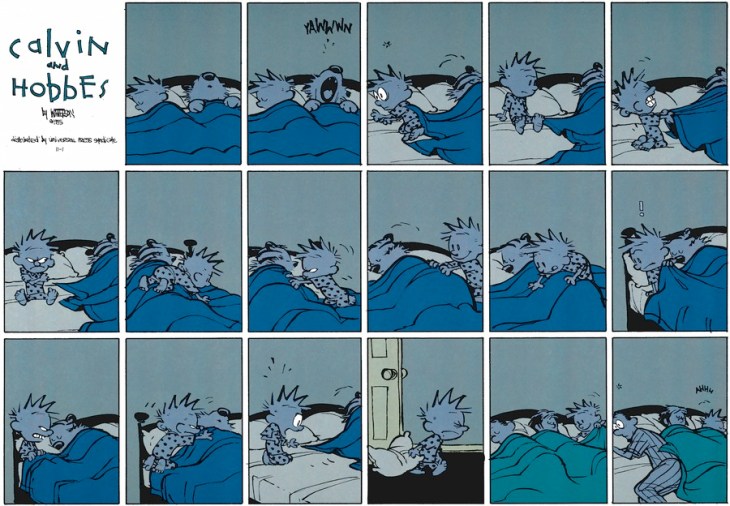
While “burrito” might indeed imply “flatulence“, the real explanation is simpler: the Wizard is tired of Blanche stealing the blankets, and is anchoring them on his side of the bed (with an ultra-modern medieval nail gun). Both Calvin and his dad would have appreciated the Wizard’s solution:
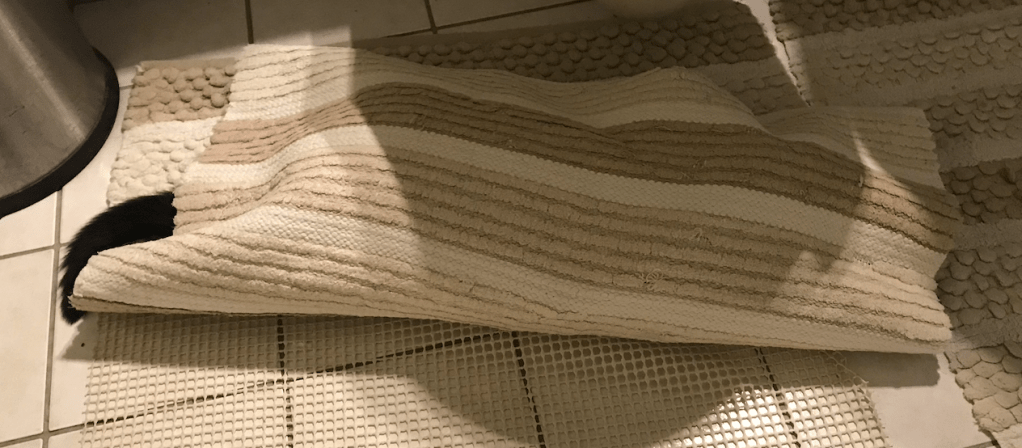
When a cat employs this blanketing strategy, the result is called a “purrito“:
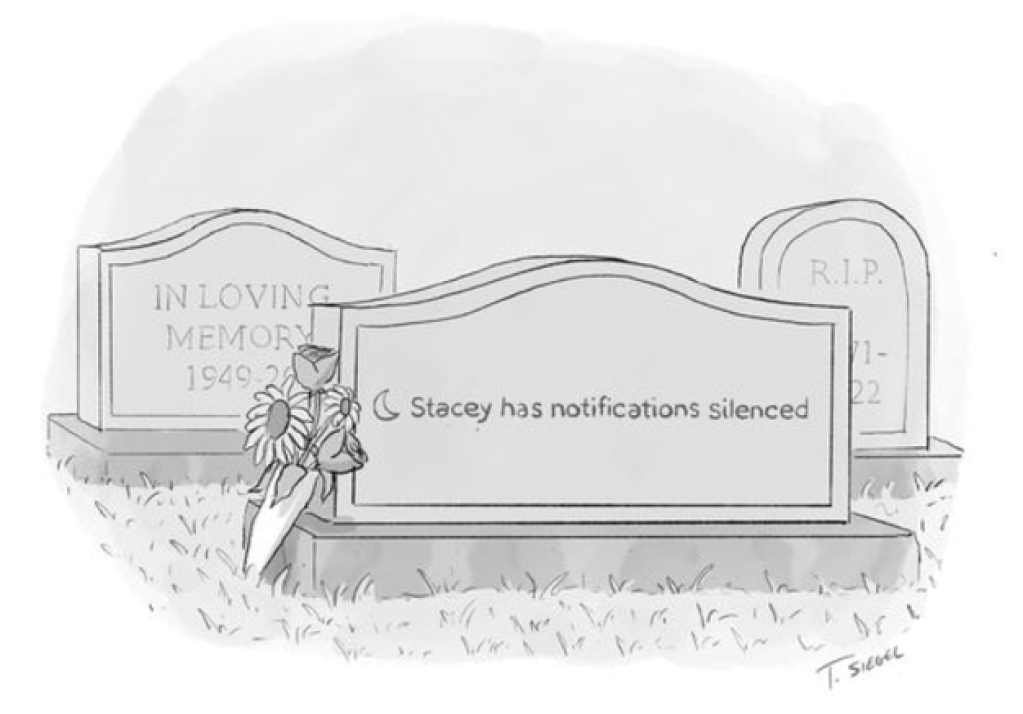
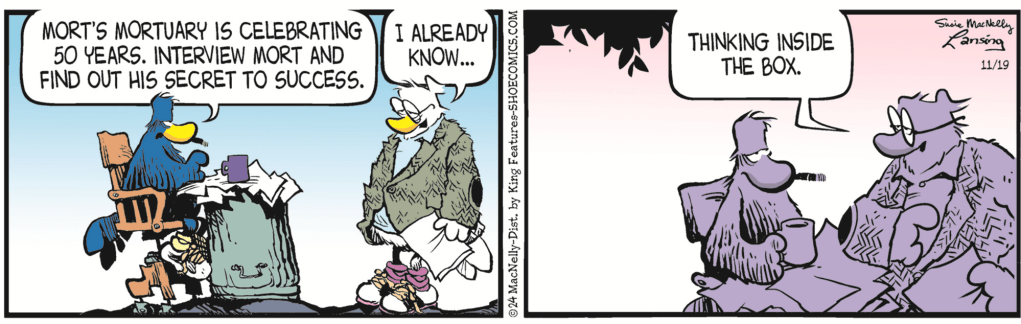

Maggie the Cartoonist submitted this ancient Garfield as an OY, commenting: “Farms must be fun.”

…
This is a repeat, but it would have been even better as a “Garfield minus Garfield” strip.
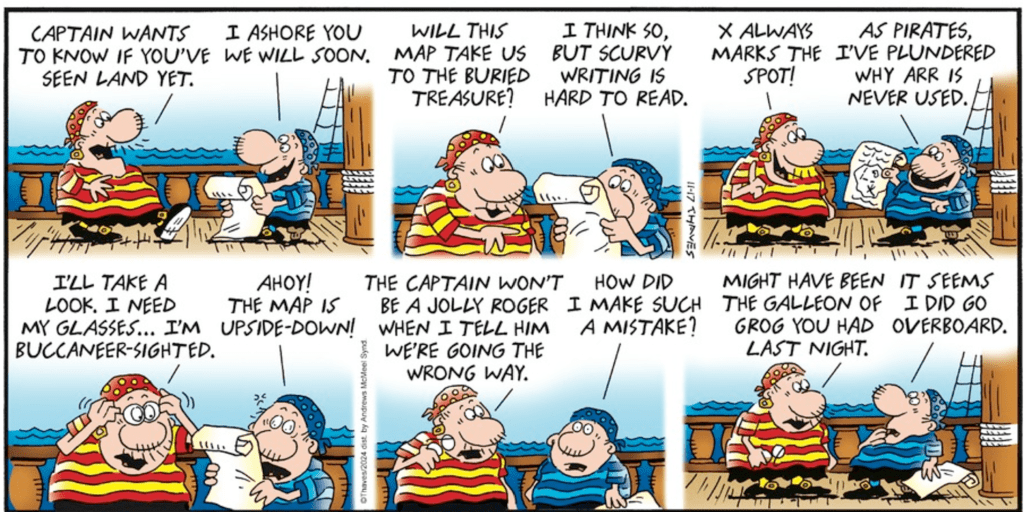
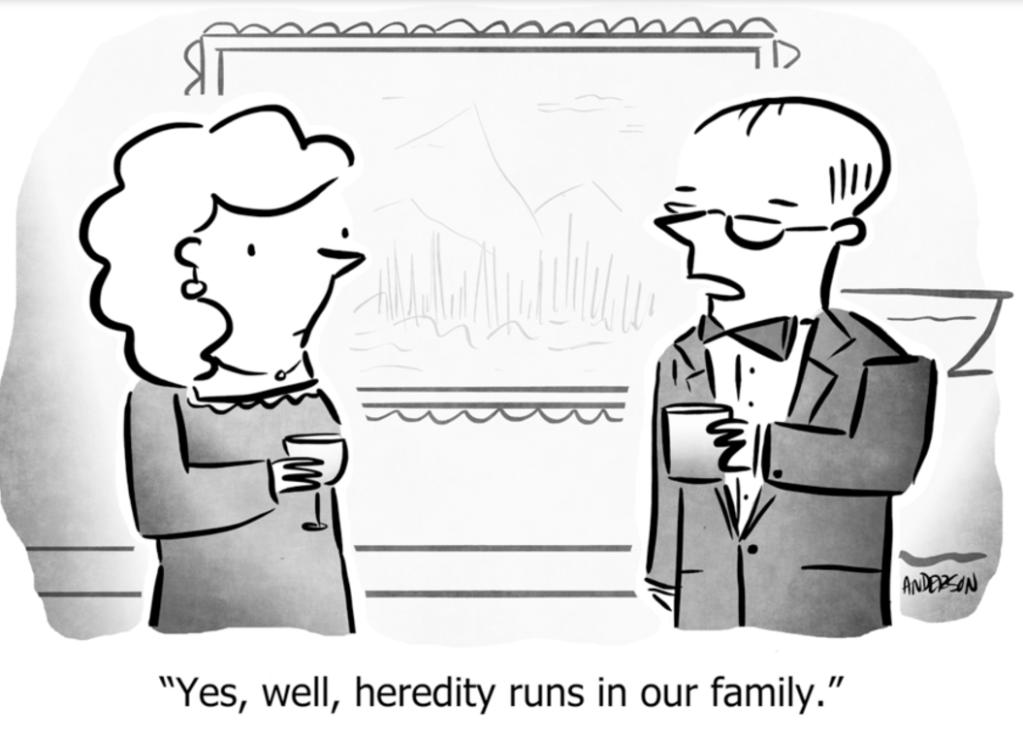
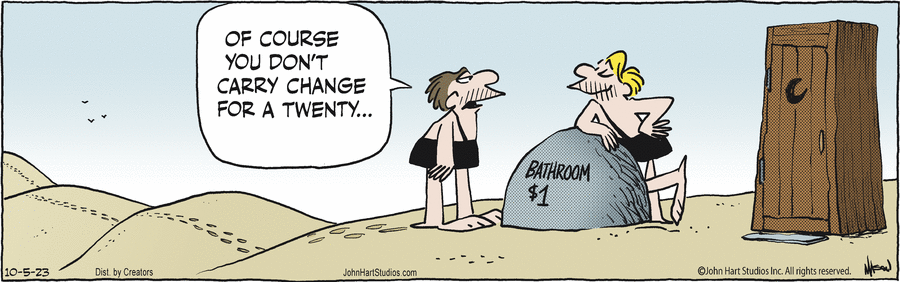
Brian in StL submitted this pair of “classic crescent-moon outhouses” last year, which seemed eminently appropriate for World Toilet Day.

…
P.S. Both of these strips were published last year on October 5th, but the Non Sequitur is actually a rerun from 2019, and was embedded into a comment in that year in Bill’s Halloween post about “Outhouses“.
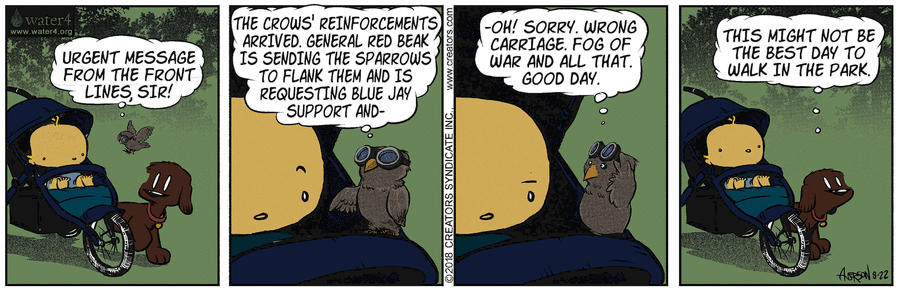
This “Dog Eat Doug” was submitted by Usual John as an LOL, but this feature hasn’t been seen at CIDU since August 2020 (a pair submitted by Andréa and posted by Bill), so I’m adding a CIHS tag.
…
John added, “While this is mainly a LOL, I am unclear on why the messenger thought the blue jay general, or whoever he thought he was reporting to, would be in a baby carriage.“
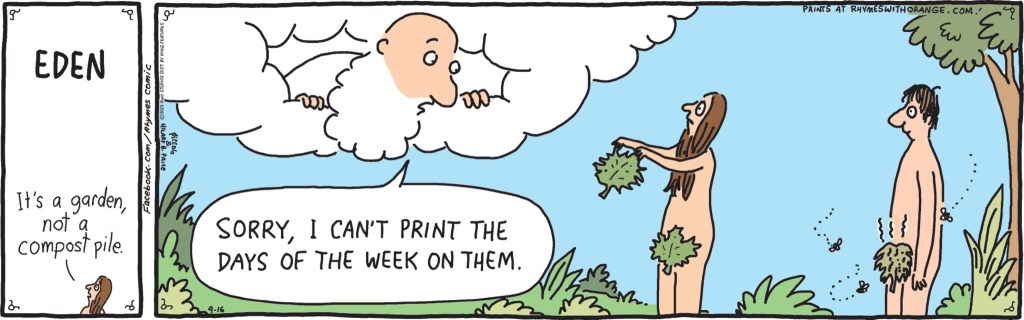
Boise Ed submitted this Rhymes with Orange as a CIDU, asking “It’s the old Adam-and-Eve scene, but why is his leaf attracting flies or other bugs and what’s with the days of the week?” – I think the answer is obvious enough to reclassify this as an LOL-Ewww:
…
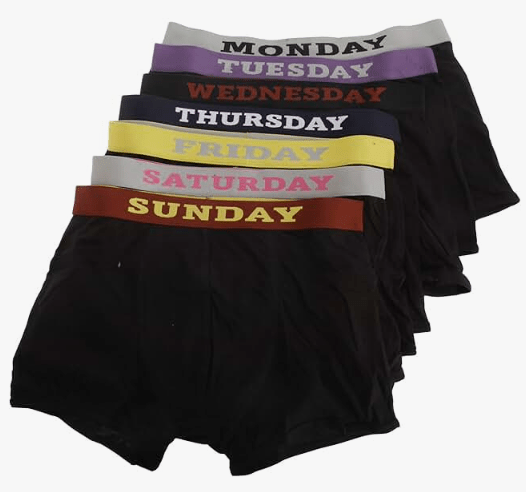
P.S. The “days of the week” are of course a reference to a type of underwear that I have often heard about, but never actually seen. I thought they were usually intended for girls, but when I hunted for a screenshot, I discovered that they were also available for boys, and even came in men’s sizes:

…
In order, the names of the ghosts would be Blolga (red), Polga (pink), Olga (cyan), and Clyde (orange). Since Olga is always that color, maybe he has more reason to fear than the other three.
Bob Ball send in this as a LOL / synchronicity. We don’t publish synchronicities much anymore, but this is worthy of LOL. This is part of a thread on Pearls, where Pastis makes fun of oversensitivity towards certain terms by labelling junk drawer as an insult. But while I understand the term junk drawer, mine is a miscellany drawer; there are things in there that occasionally get used (e.g. double-sided tape). What do you call yours?
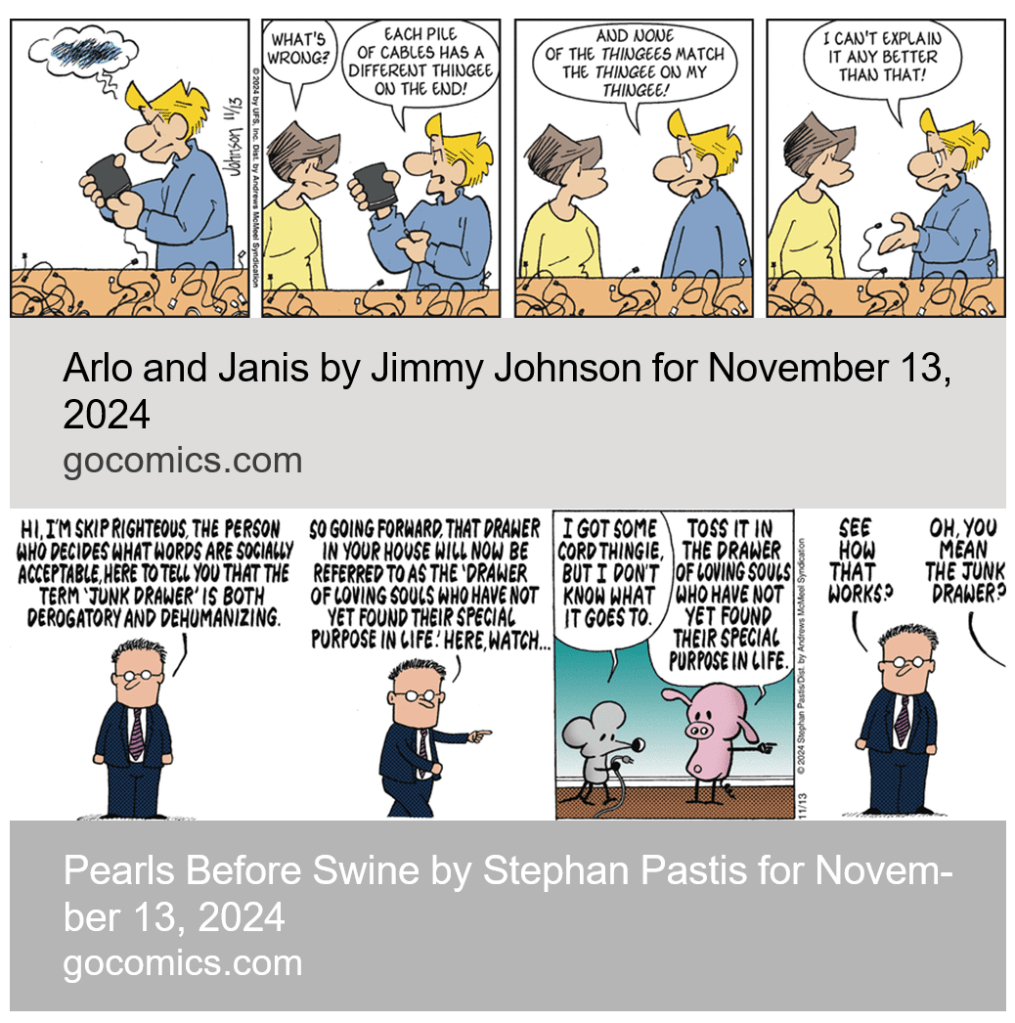
The start of that Pearls storyline:

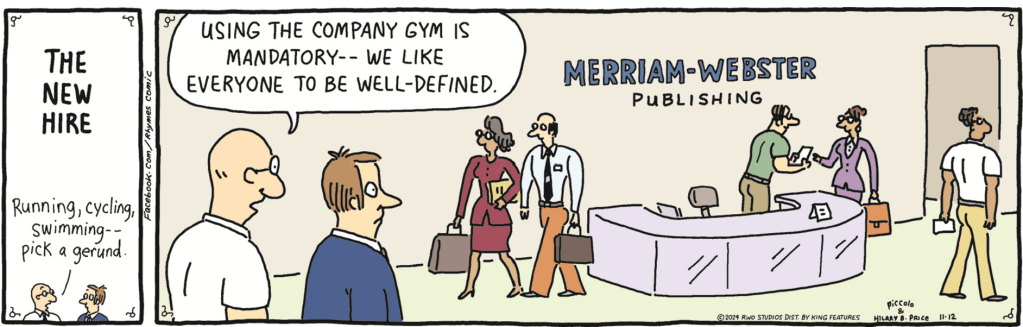
Chak sends in this gem:



Danny Boy sends this in, and notes that the reason helium does this is not as settled as you might think. But your editor is tired of thinking right now, so feel free to put this controversy into the comments.
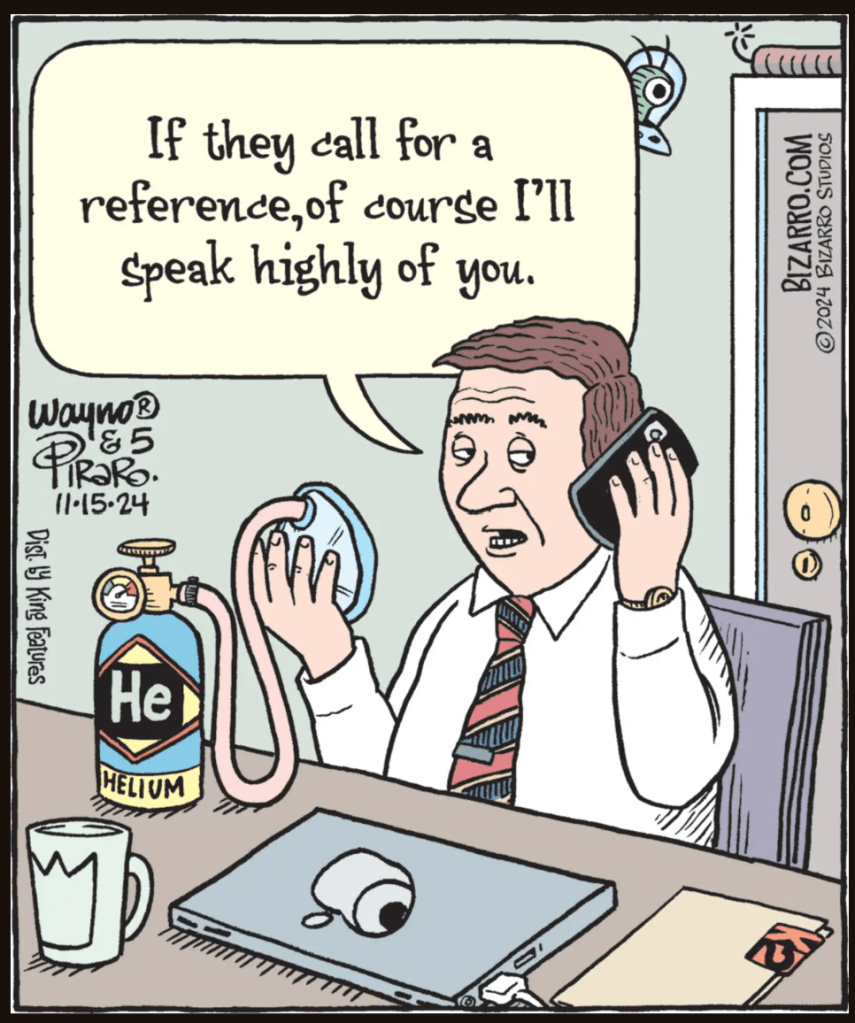
Yes, I’ll speak highly of you. Hehe!
Kilby suggested this Macanudo from 2022:

…
P.S. Perhaps they should join the sheep in that tree just above the strip.
For those unfamiliar with “What the Duck“, the artwork shows a sad duck with its head on the keyboard:

…
P.P.S. The Ctrl-S key (for “save“) is in fact adjacent to Ctrl-Z (“undo“).
A sweet little fourth-wall moment with Arlo & Janis:

…
As Mark H. commented when he sent it in: “It IS hard to tell they are dancing without the notes.”
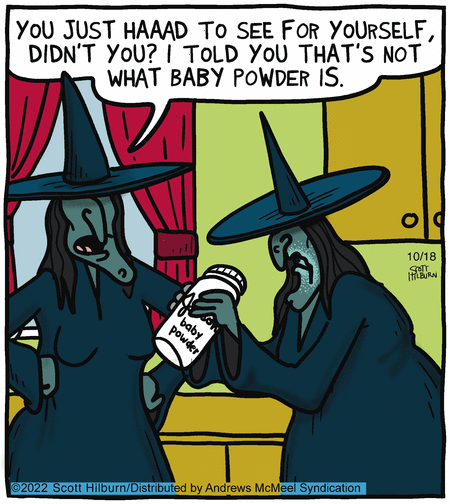
Las Vegas Chasm tried to submit an Argyle Sweater as a CIDU, commenting: “I usually “get” Argyle Sweater each day owing to my modestly demented mind, but today’s is a real stumper. My equally perverse friends also do not understand it. Simply put, yo soy confusado.“
Unfortunately, LVC’s link to the image was broken. Going by the date, it should have been the one on the right, but that seems too easy, so I’m also including the previous day, which seems equally funny, but might have been a little more puzzling:

…
The “featured comment” at GoComics gives an explanation for the first one: “Well, if you make corn oil out of corn, and olive oil out of olives, guess what you make baby powder out of” (she tried tasting it).
Considering the logo and the claims linking baby powder to cancer, eating that stuff is definitely not a good idea.
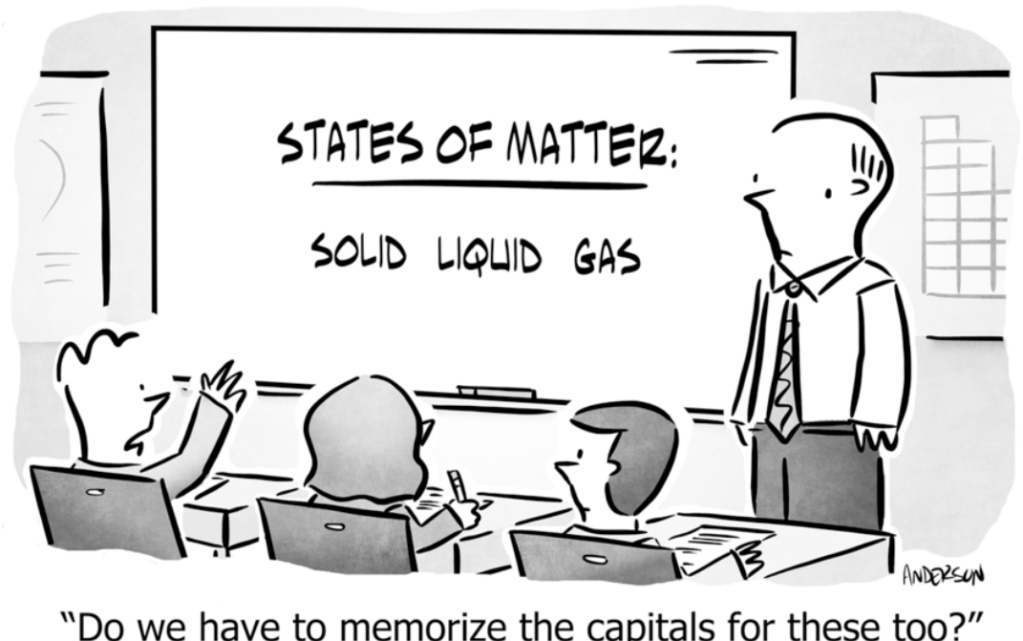
Where do they keep the journals at a Chemistry library? On the periodical table.
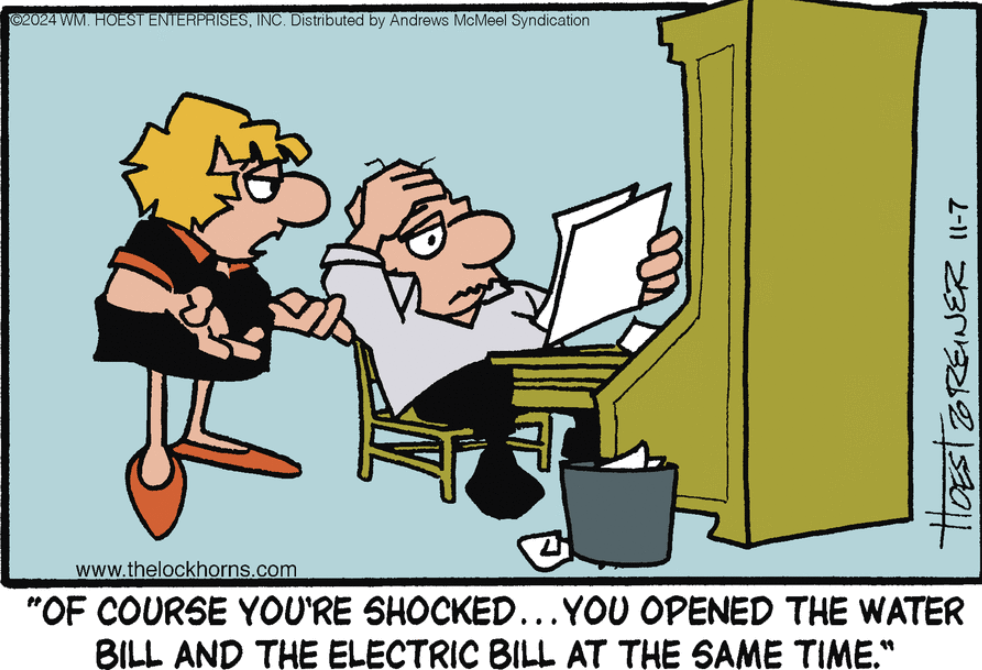
Danny Boy sends this high-voltage LOL in.
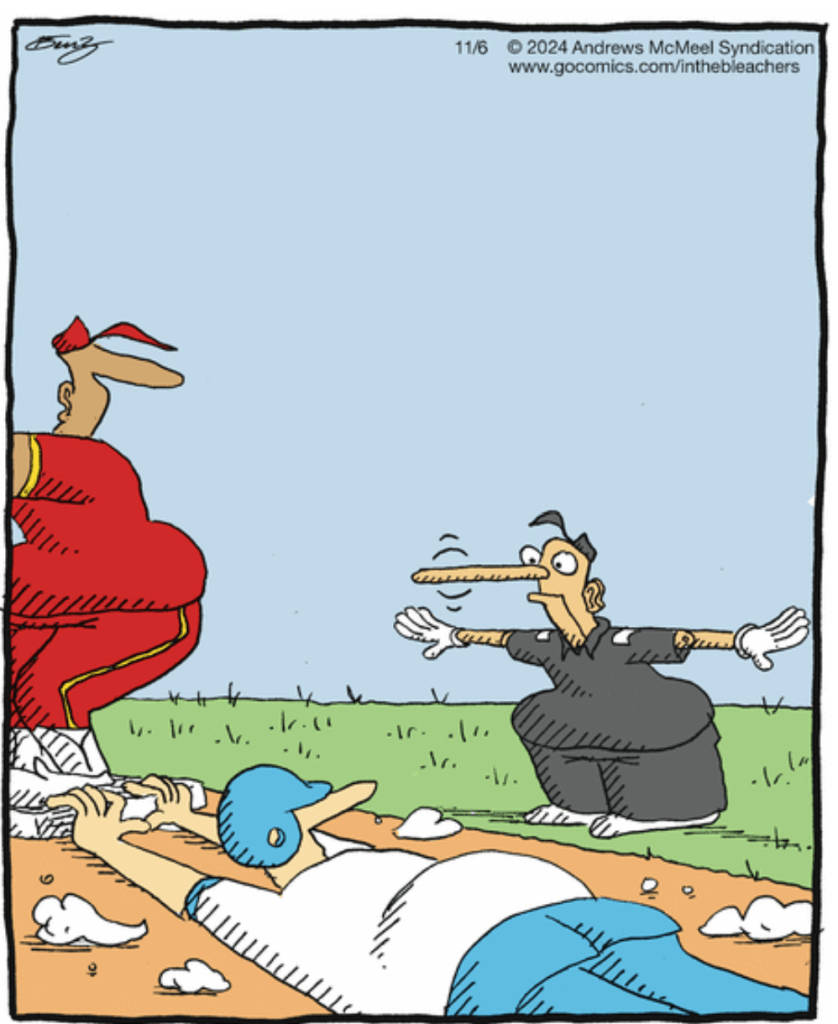
BVCC submitted this Argyle Sweater as the “mother of all Arlo Awards” but it seems closer to OY, especially considering the guest star in the final panel:

…
P.S. BVCC said that he “almost missed [the Arlo] myself“, but it’s unclear what he meant: perhaps the terms “boob” and/or “tit(t)y“, but they don’t really seem to be credibly “Arlo” (not “titillating” enough).
Maggie the Cartoonist suggested this Rubes as an OY (it might be a repeat):


Thanks to Danny Boy for sending this in. Or should it be “Muffins” is Sniff’um spelled backwards?

