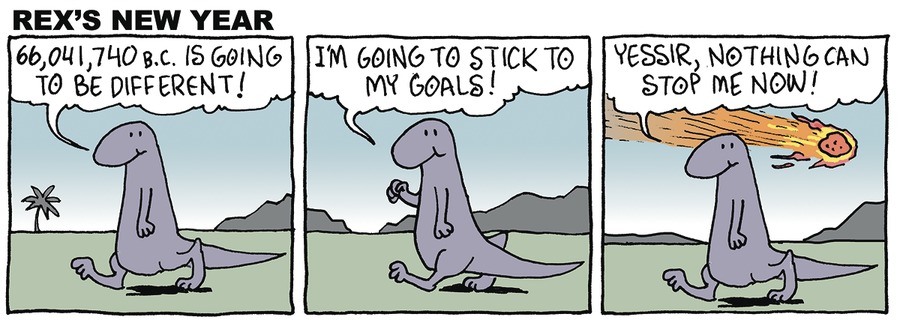
This may be a case of two overfamiliar clichés combining to give a cynical chuckle.

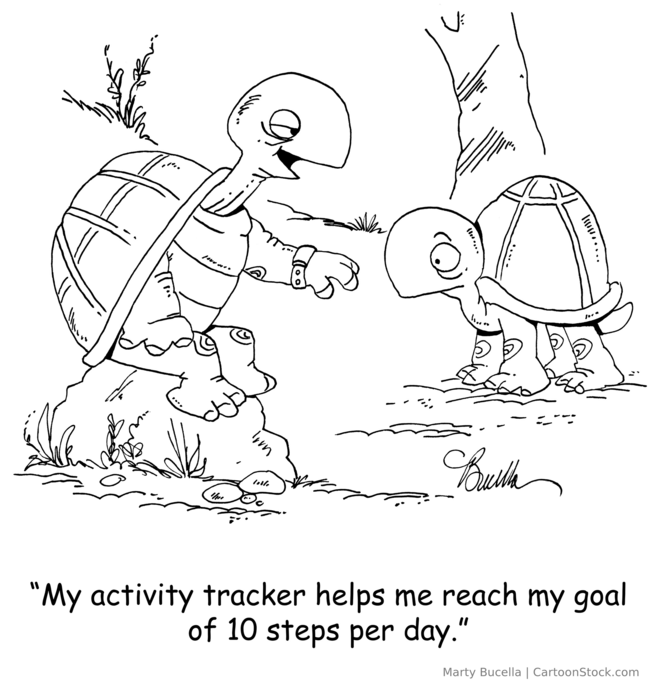
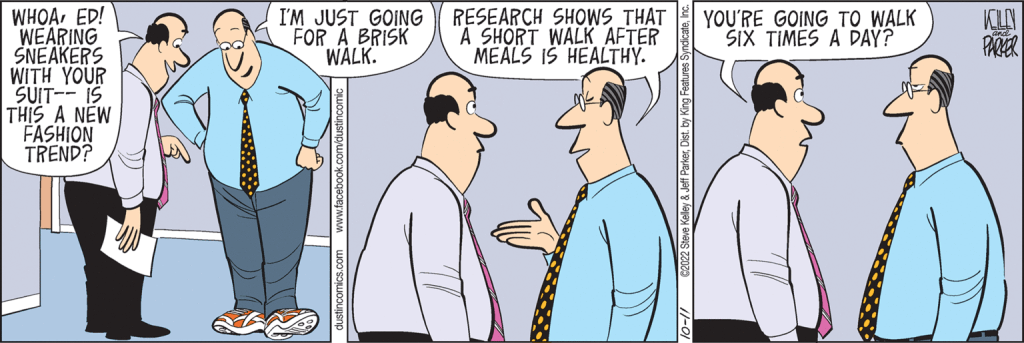
A couple for those of you counting steps. These were also a synchronicity.


A new twist!
This may be a case of two overfamiliar clichés combining to give a cynical chuckle.
A couple for those of you counting steps. These were also a synchronicity.
A new twist!
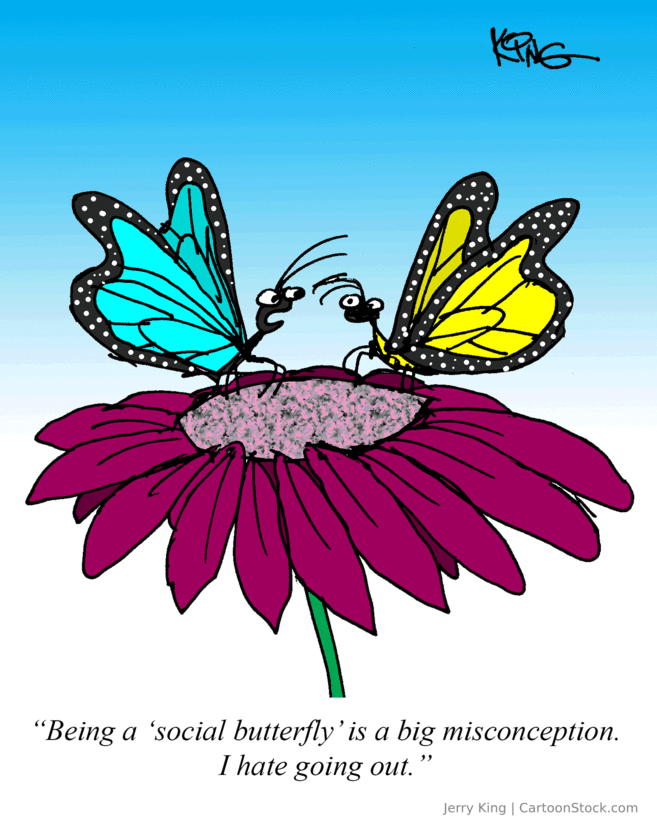
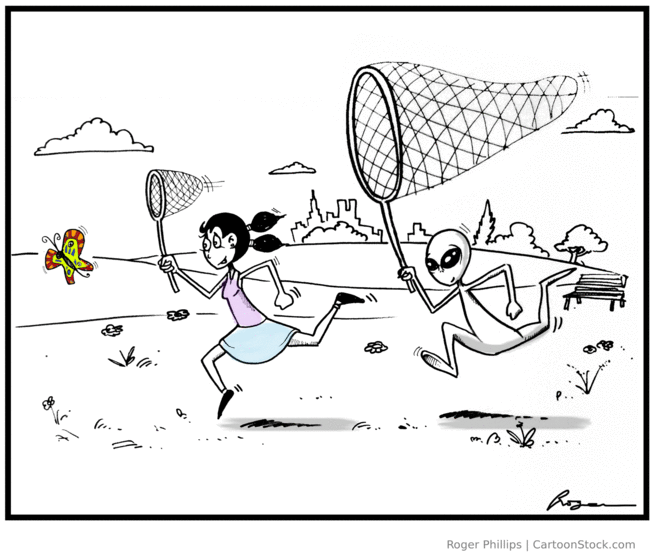
Previously (in https://cidu.info/2022/05/16/never-wear-around-your-neck-anything-that-comes-out-of-your-tail-end/ ) we explored the precedence of flutter-by before butterfly — to the surprise of many, including me.
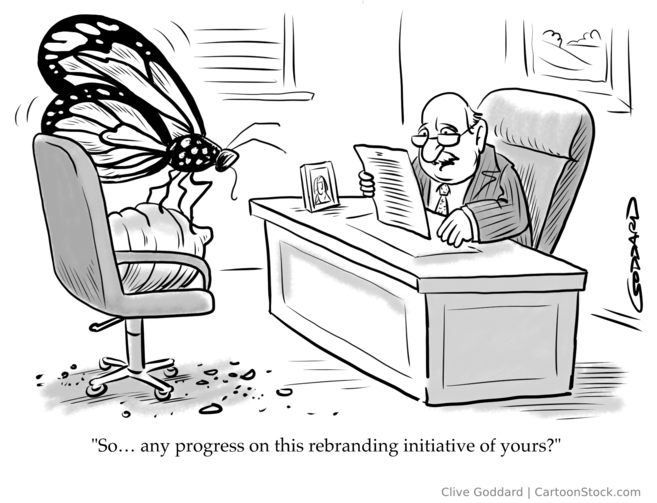
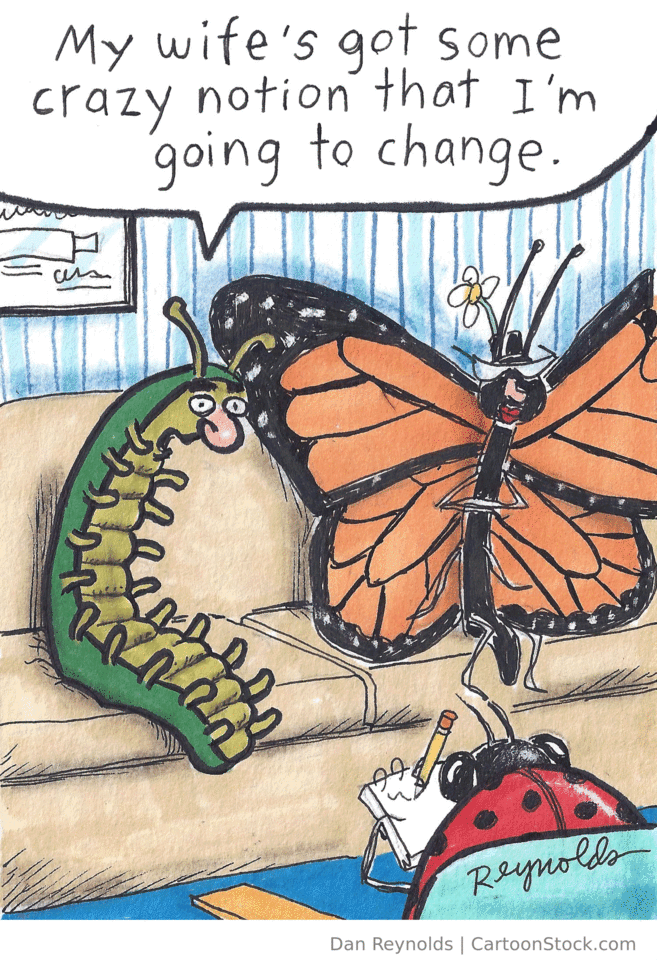
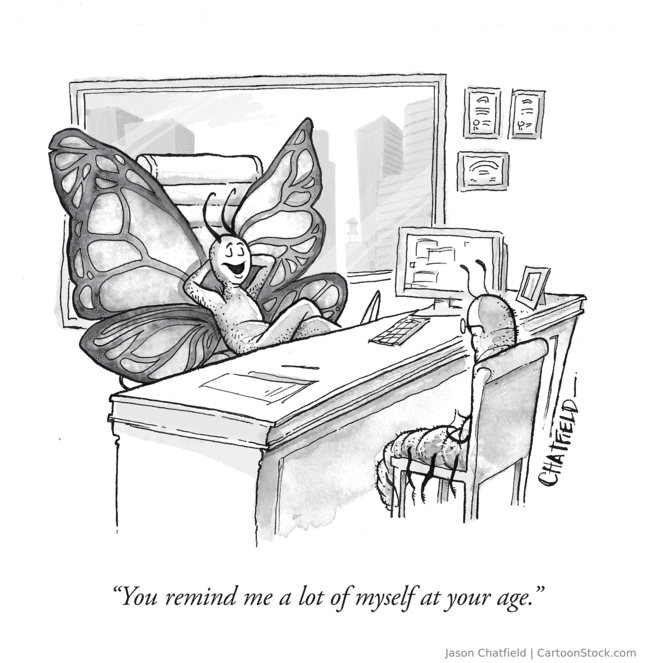
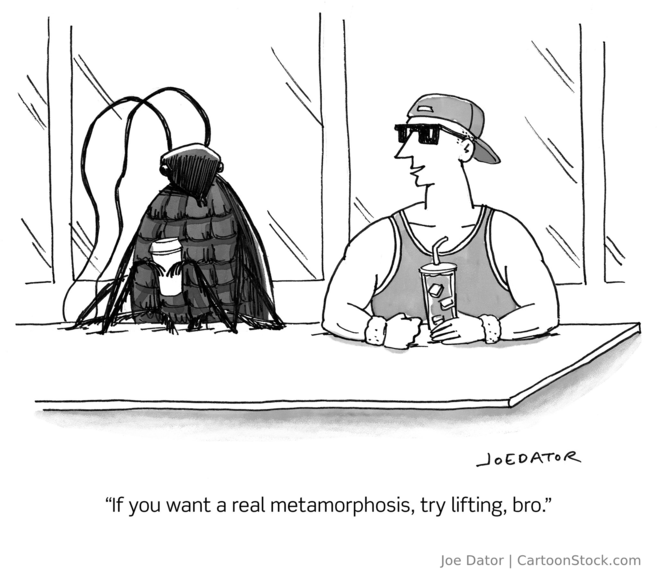
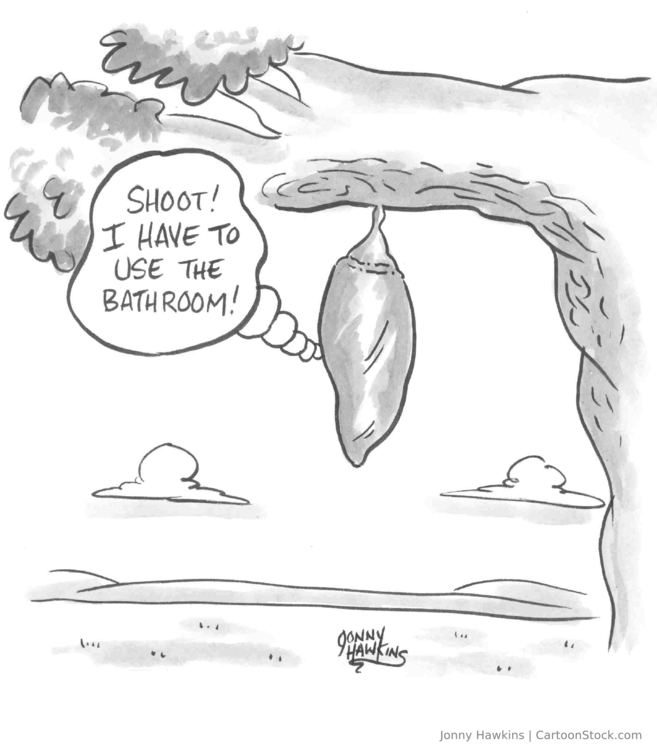
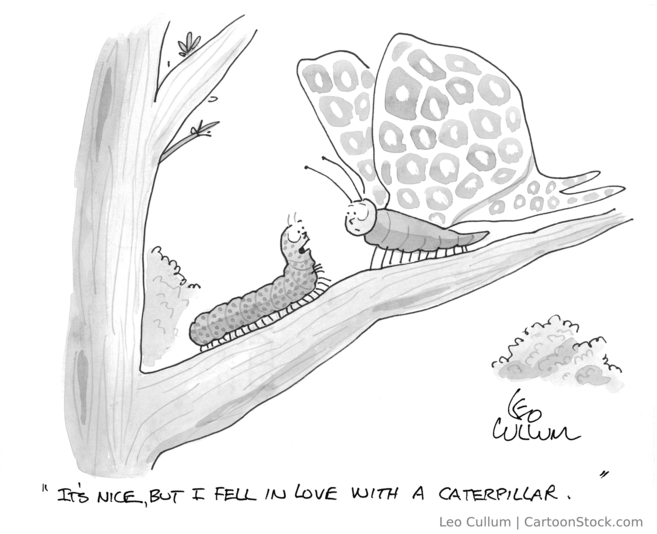
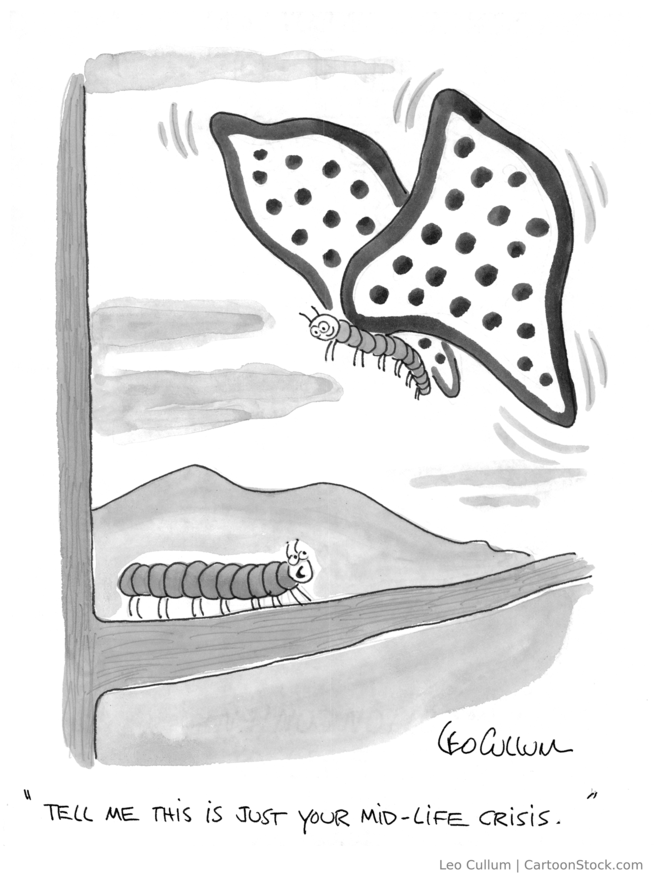
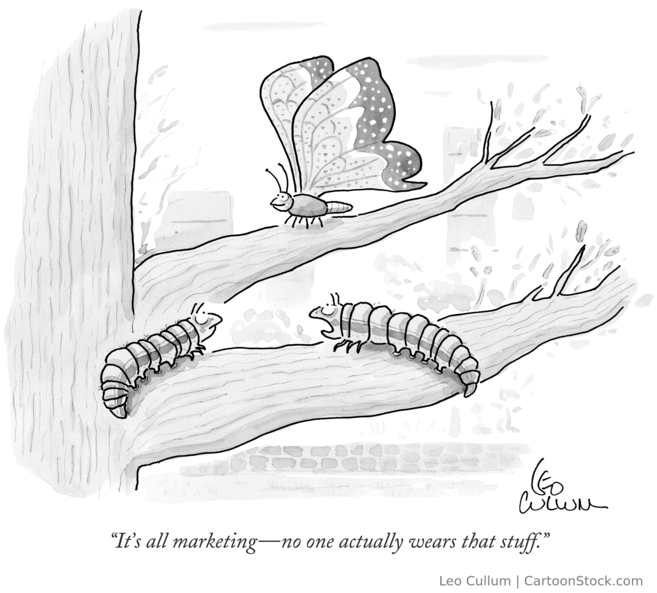
Recently Andréa noticed: “BTW – I don’t know if it’s because of Monarch Butterfly Migration Season, or what, but have YOU noticed a plethora of caterpillar-to-butterfly jokes? I think I’ve seen 15-20 in the past week.”
Then almost immediately after seeing her mail, I ran across this from David Borchart in “Bob Mankoff presents: show me the funny (animal edition)” at Comics Kingdom:

Nonetheless, no reason not to share their accomplishments with the CIDU crowd!



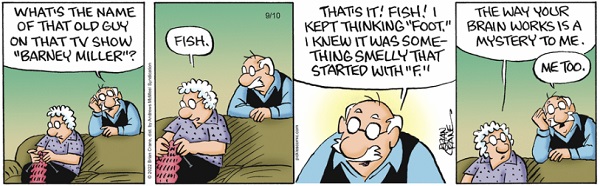
Stan sends in this pair, with Bob Ball joining in on the Mother Goose. The first is a CIDU. The second perhaps explains the first, but definitely deserves a Geezer tag. Barney Miller‘s last episode was over 40 years ago.

In January of 2018 CIDU Bill implemented a Contact form page*, and during February 2018 a few readers used that form to send in their suggestions for cartoons to run and analyze on CIDU. We recently stumbled on that cache, and will be running three.
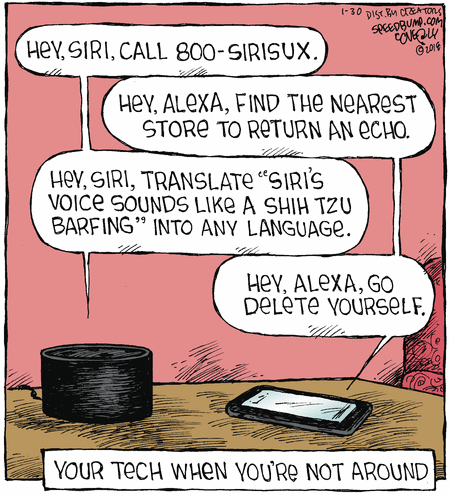
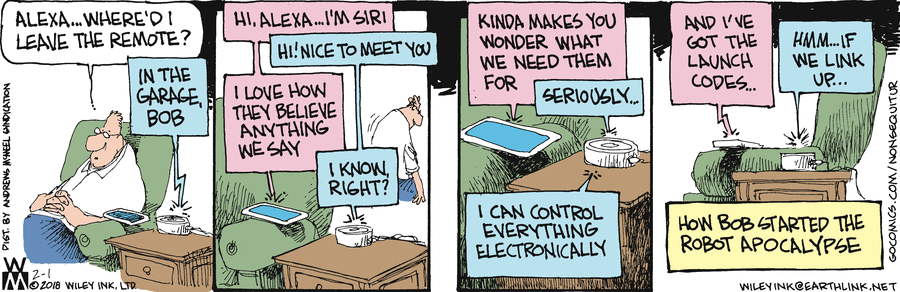
Thanks to Bill Kiraly for this near-synchronicity, which he calls “Great synchronicity for Feb 1 Non Sequitur and Jan 30 Speed Bump”.
*Original Contact form now at https://cidu.info/contact/ . Updated Suggest-A-CIDU form page now at https://cidu.info/suggest-a-cidu/
Thanks to Boise Ed for this tightly-matching-motto synchronous pair!
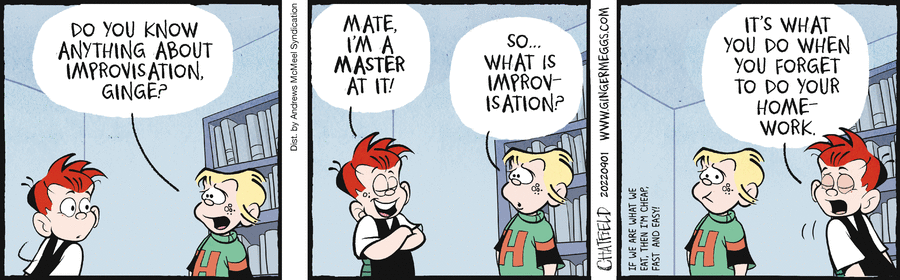

I am still in the market for a quick-and-easy lesson on how to turn auto-rotate off on my iPad momentarily, so I can turn it to more easily read sideways or ʇxǝʇ uʍop ǝpısdn, especially in images. For those not ready to risk neck strain trying to read the motto in the last panel of the Ginger Meggs, Editor Phsiiicidu has kindly provided a clipped and de-rotated image; and Ed provides a transcription as he discusses the synchronicity.
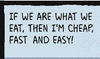
Boise Ed says ‘Ginger Meggs always has a little saying added on. Today, it is “If we are what we eat, then I’m cheap, fast, and easy.” So then Herb and Jamal used almost the exact same line.’
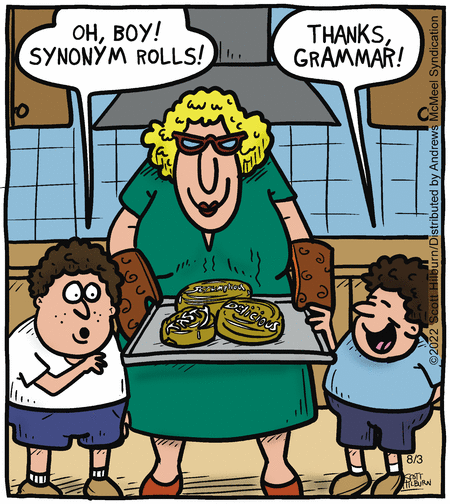
Thanks to Le Vieux Lapin for this one, which is some sort of word-play on language-related terms, so what is there not to oy?

For Argyle Sweater, one bad pun deserves another. The actual Pony Express is famous, but only existed for a short time, from from April 3, 1860, to October 26, 1861. Pricing didn’t help (The initial price was set at $5 per 1⁄2 ounce, then $2.50, and by July 1861 to $1. Normal mail service was $0.02 then.). The service continually lost money, and closed two days after the transcontinental telegraph connected Omaha with Sacramento.
Now we’ll segue into some that miss a bit. Kilby reminds us that Segway ceased production in June, 2020. One might ponder the various reasons why the Segway, introduced in 2001 to great fanfare, was a failure (and by the end, so out of mind it might have merited a geezer alert), while now e-bikes are flying off the shelves and electric scooters are commonly seen.


Well, there are some judgement calls here; let”s see if you agree. The “just ok” is enough to qualify it as a pun or Oy; but isn’t especially good, or enough to make it a funny Oy. However, the second shot, using the idea of “settling for [smthg]”, does make it work, and earns at least a chuckle. (No comment on the squirrel’s addition.)
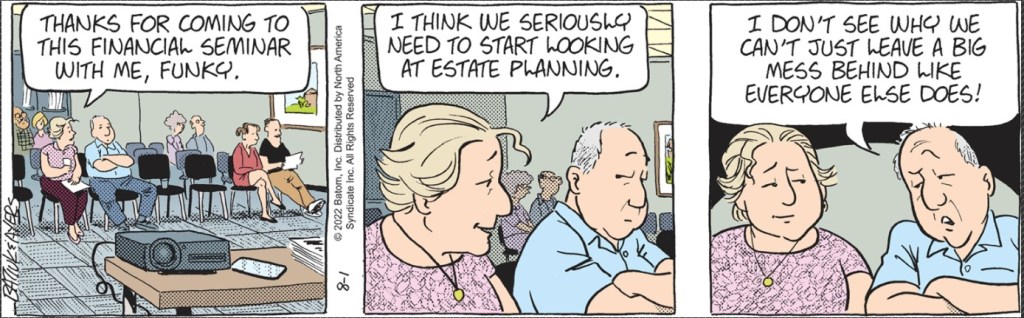
For those of us who’ve served as executor of someone’s estate that wasn’t tied up very well, this will bring back painful memories. Painful OYs here.
And just when we were making plans to officially retire the Synchronicity category, this pair comes along within a week of each other with the same double pun. One factor is that this one was already published here, in last week’s OY list:
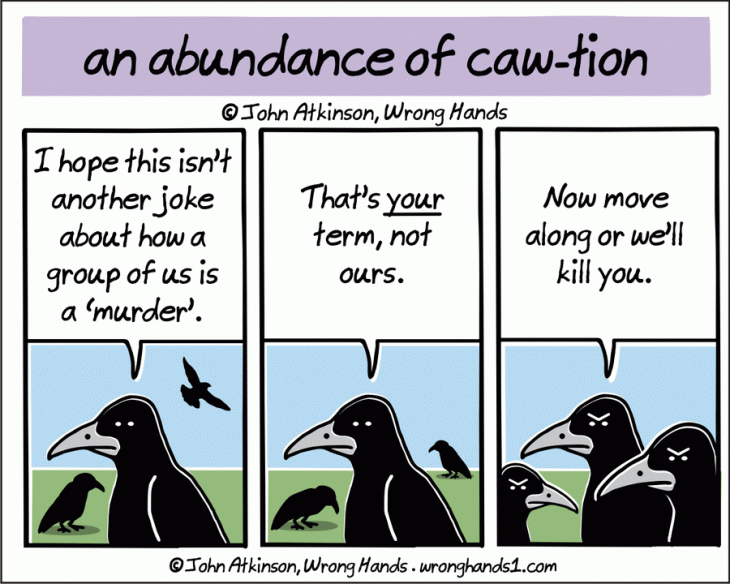
But this one is fresh:

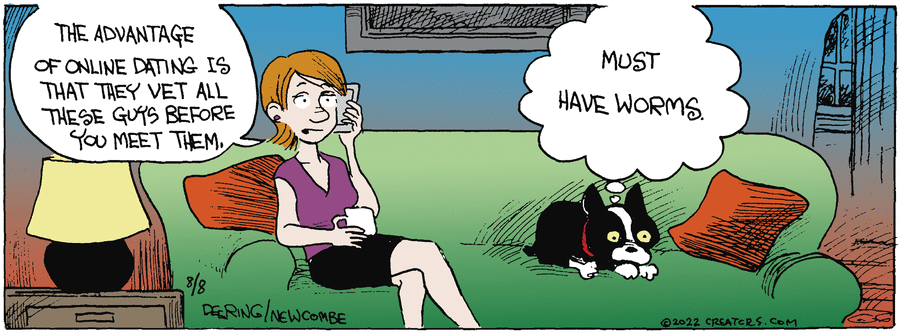
Boise Ed sends in this pair:


Thanks to Powers, who wrote:
Extra synchronic because they appear kitty-corner from each other in my Sunday paper.

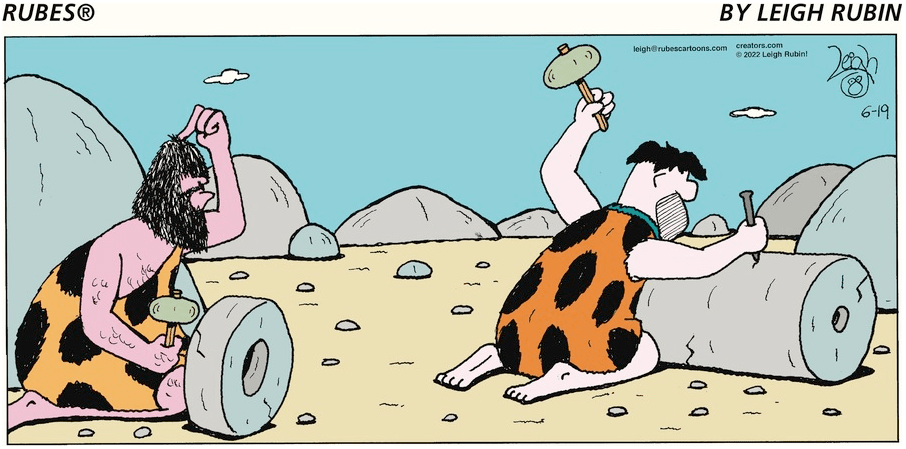
And then there was Rubes from the very next day (Monday 20 June), which seemed to combine the two and made me wonder what was going on.

And just for a kicker, Monday’s Ziggy continued the theme:

Editorial comment on “kitty-corner”: this Anglicism, also spelled “catercorner” and various other variations, apparently comes from the dots on a four in dice or cards being, well, kitty-corner from each other, plus the French word “quatre” for four, at one point also spelled “catre”. Given that the Brits have “centre” and the like, the mystery to me is why it’s not “catre-corner”.


This Mother Goose and Grimm is analyzed at Arnold Zwicky’s blog.

I also posted this F-Minus, with remarks, in a comment on that same Zwicky blog entry.
Several selections contributed by Andréa coming up:
“I KNEW IMMEDIATELY WHO THIS WAS, EVEN BEFORE READING THE CAPTION . . . DOES THAT MAKE ME A GEEZER??”
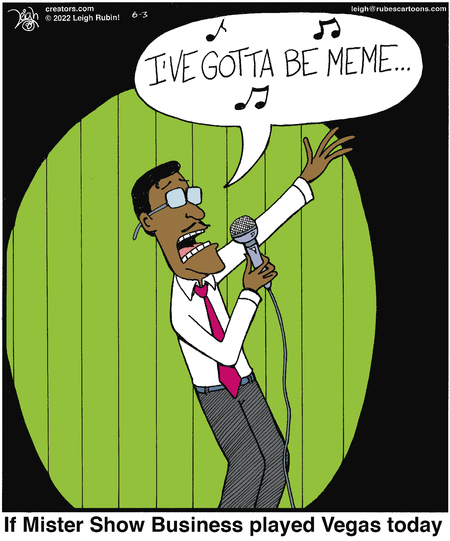
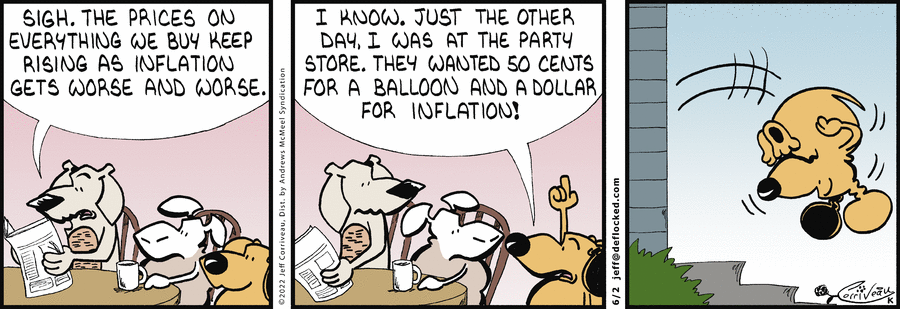

Synchronicity–


This Bizarro from Andréa is also taken up under the Arnold Zwicky analytical microscope. I like his term “a Desert Crawl cartoon” for the main trope here.

“SYNCHRONICITY – ABOUT *NOT* LEARNING A LESSON . . .”


And one final OY contribution:

Andréa suggests this synchronicity on the definition of stalking.