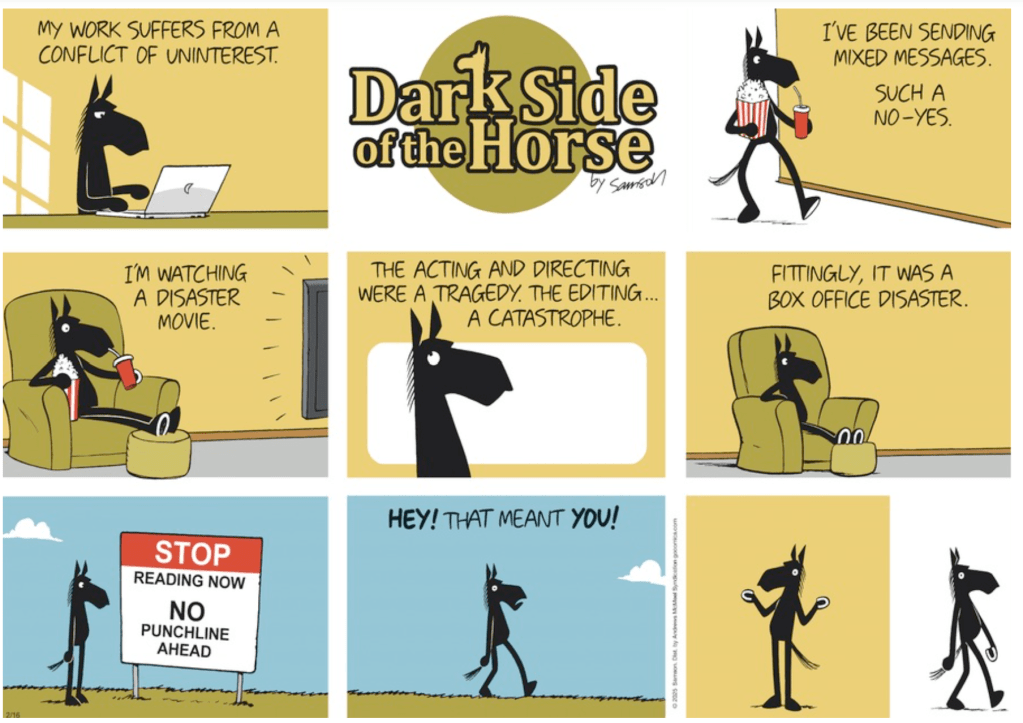

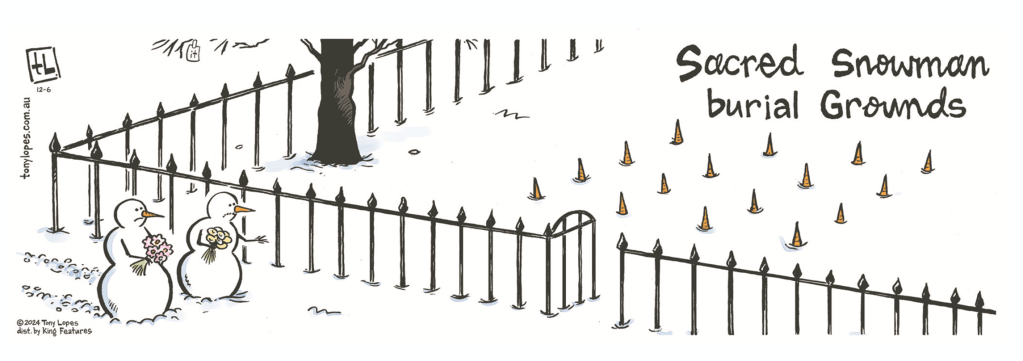
For those artists whose work deals primarily in mixed messages, this place seems ideal:


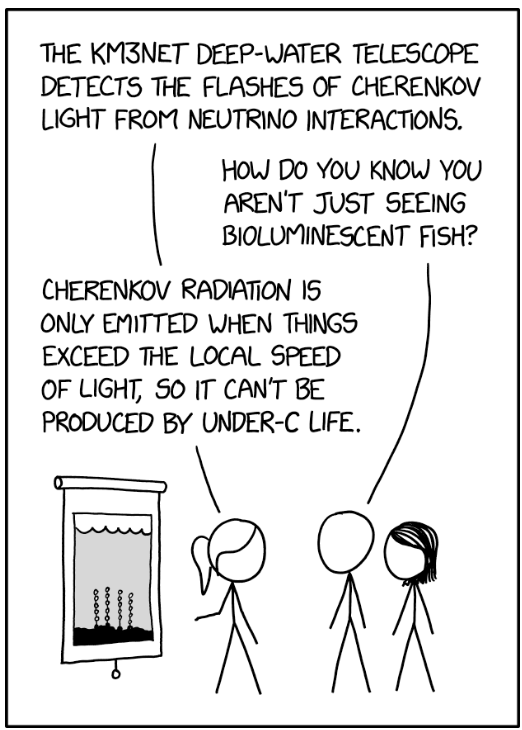

For those artists whose work deals primarily in mixed messages, this place seems ideal:
Following on to Friday’s post (comic repeated below) we have further works of Genii-us.


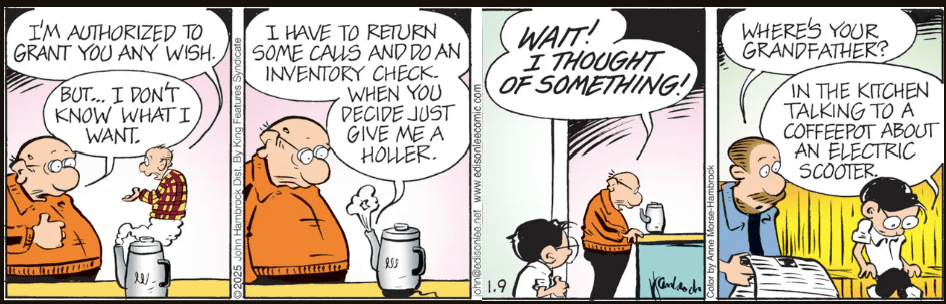

We should have suspected!



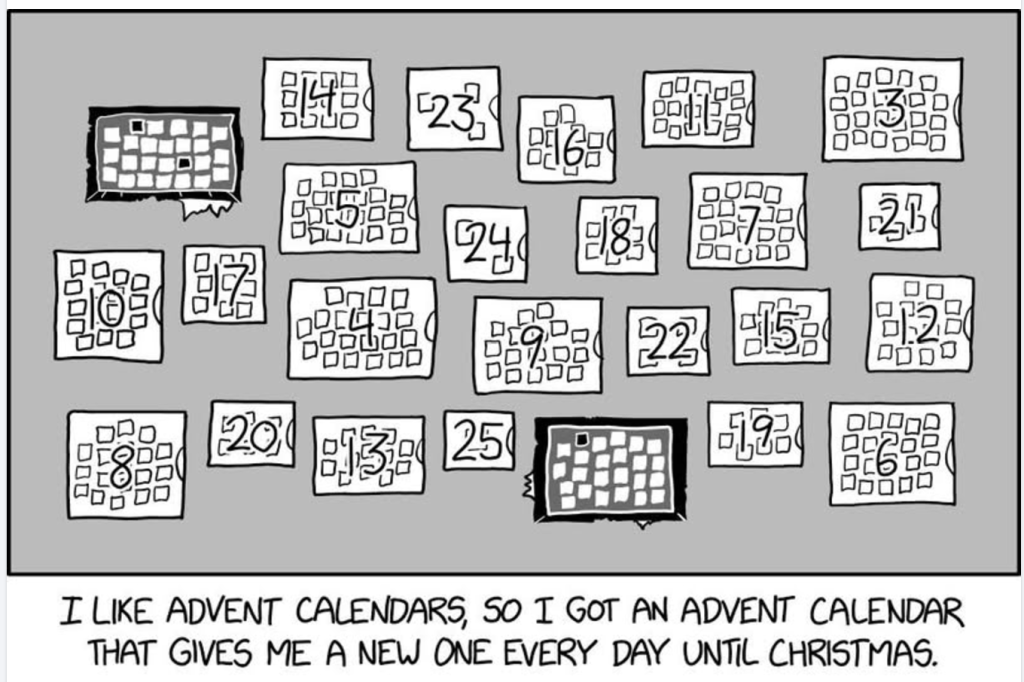
From Chemgal:

She notes, “I know phase changes, and expect someone else will immediately understand the bouba and kiki part, but I do not.”
Not sure “immediately” is the operative term, but it did sound vaguely familiar; Google finds https://en.wikipedia.org/wiki/Bouba/kiki_effect, now alles klar. Even more interesting is searching “kiki bouba english”, which reveals that it’s not just an English phenomenon, although it does vary somewhat.
Oh, and hovertext is:
Even when you try to make nice, smooth ice cubes in a freezer, sometimes one of them will shoot out a random ice spike, which physicists ascribe to kiki conservation.


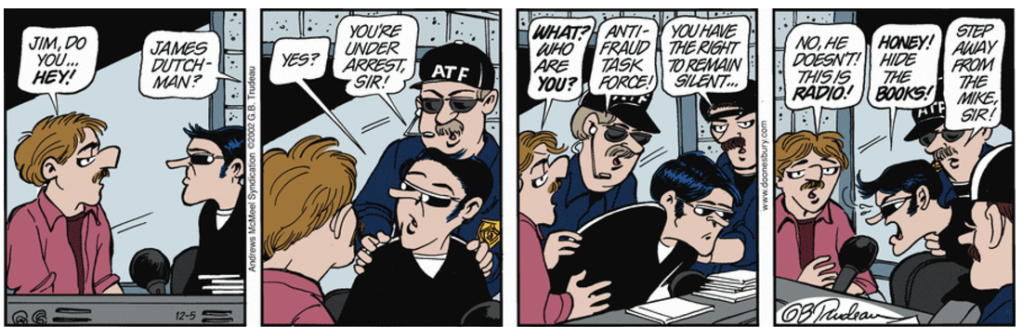
Radio has certain requirements. Sports announcing, too. Dead air is the enemy. Some of the most painful examples to me are long bicycle races (4+ hours) that end in a sprint stage. So until the last kilometer, not much is going on if there’s no breakaway. But 4 hours must be filled with announcing, regardless. Particularly painful if there’s only one announcer, not two.

A quick look around my dwelling shows 6 books that I’m partway through but intend to finish, a couple of which I haven’t make any progress on in at least a year. (Not counting ones I don’t intend to finish, or haven’t started.) Should I invoke a statute of limitations on these 6?
The New Yorker has posted a page of the magazine’s cartoons which were most liked on Instagram.
This one pairs nicely with Parisi’s one above.

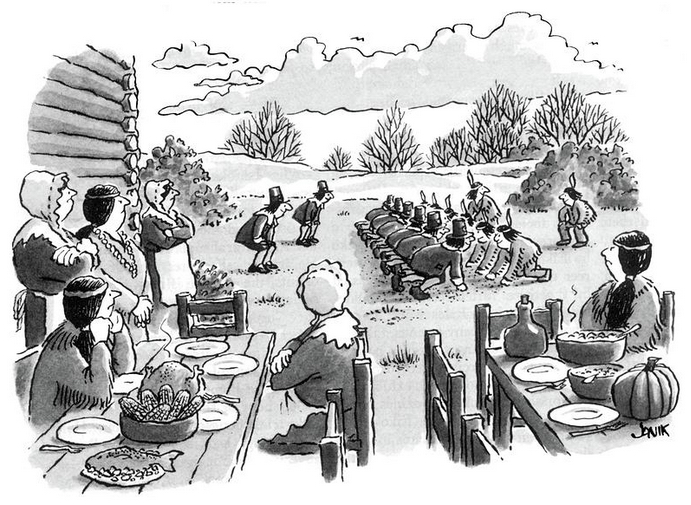
This cartoon by John Jonik was first published in the New Yorker exactly 41 years ago today, but I discovered it too late to add it to the Thanksgiving collection for 2023.
…
The headline above is modeled after a quote by Sepp Herberger, coach of the German national football soccer team: “After the game is always before the [next] game.” Of course, discussing football (of either variety) can sometimes be even more explosive than discussing politics.
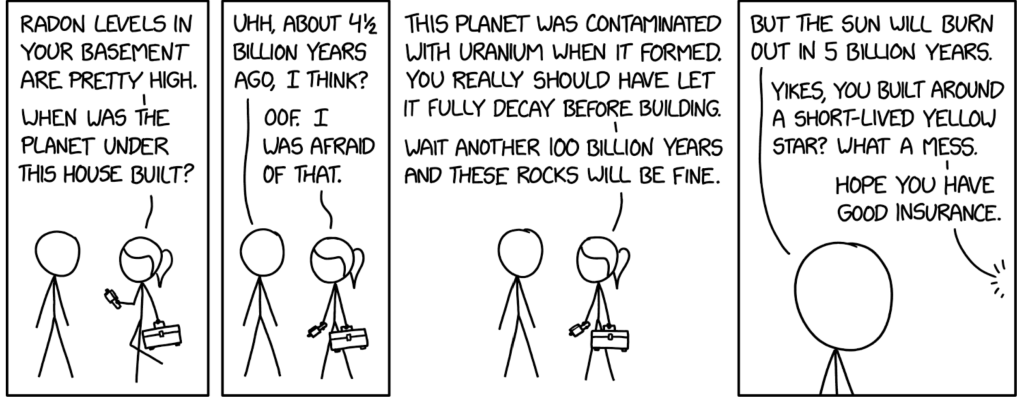
Mark H. submitted this XKCD (#2858) last year; although it did get embedded in comments (such as in the No-Politics Zone), it’s still worth a repeat in a post:

…
P.S. The “mouseover” or “title” text reads: “An occasional source of mild Thanksgiving tension in my family is that my mother is a die-hard fan of The Core (2003), and various family members sometimes have differing levels of enthusiasm for her annual tradition of watching it.“
P.P.S. The link to the HuffPost article in the second panel still works (I already typed it in, so that you don’t have to).
…
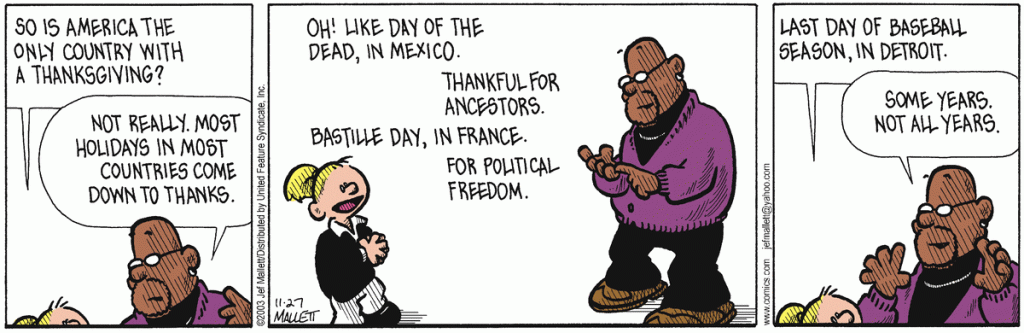
In Germany, it’s called “Erntedankfest” (literally: “harvest thanks festival”), and is celebrated on the first Sunday in October, but it is primarily an event for the liturgical calendar (both Catholic and Protestant), and is not (generally) celebrated by families at home.
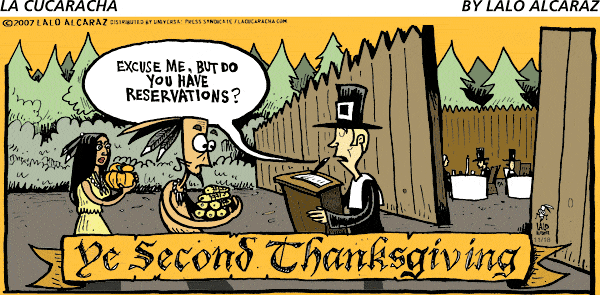
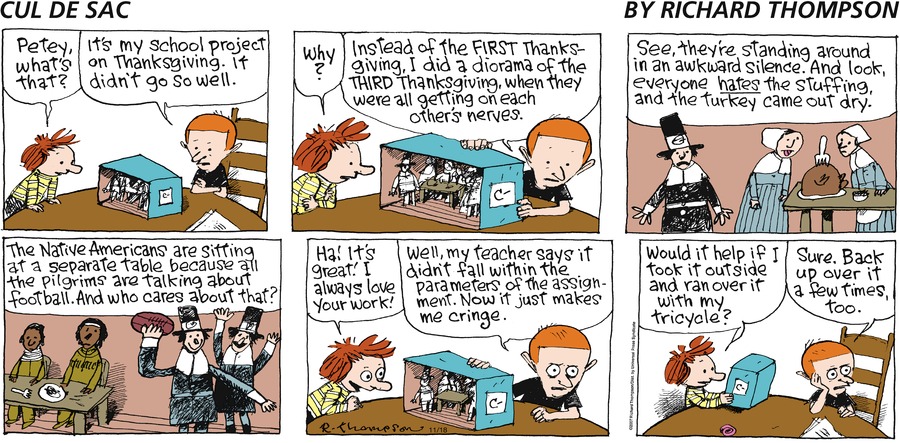

…
Several decades ago, my grandmother just happened to include a leftover bowl of (homemade) mac&cheese on the Thanksgiving dinner table, which resulted in some amused needling from my dad and uncle. However, both my sister and my aunt vigorously defended it, so that for many years thereafter, (fresh) mac&cheese became a standard component of my grandmother’s Thanksgiving menu.
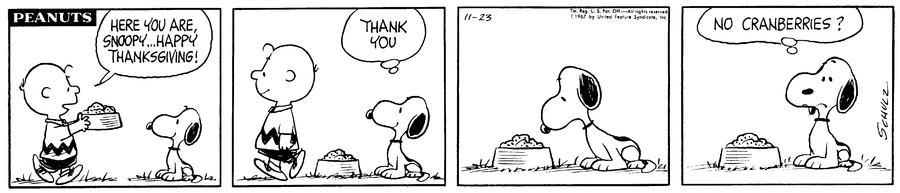
…
The final panel reminded me of the last scene in the song “Christmas Wrapping” by the Waitresses.
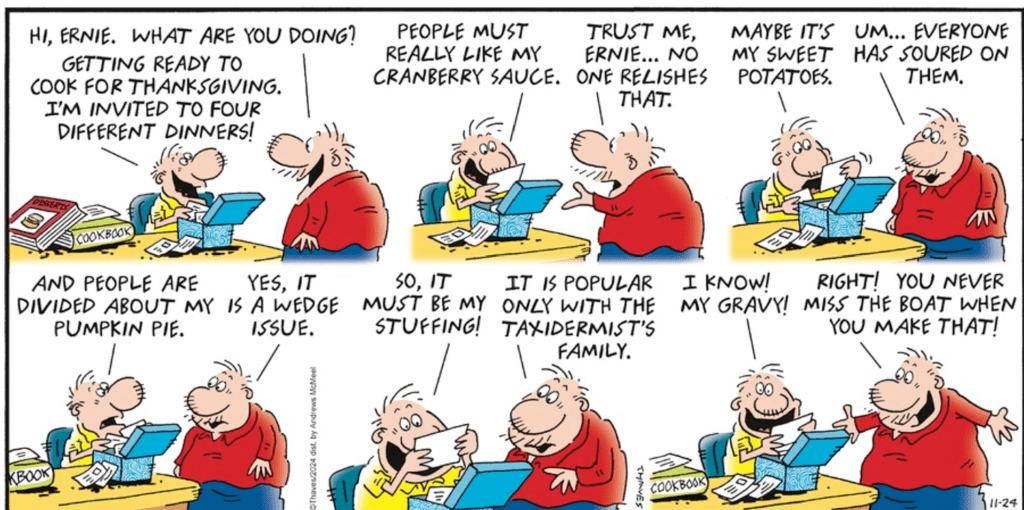
No cranberries? Frank and Ernest have suggestions:
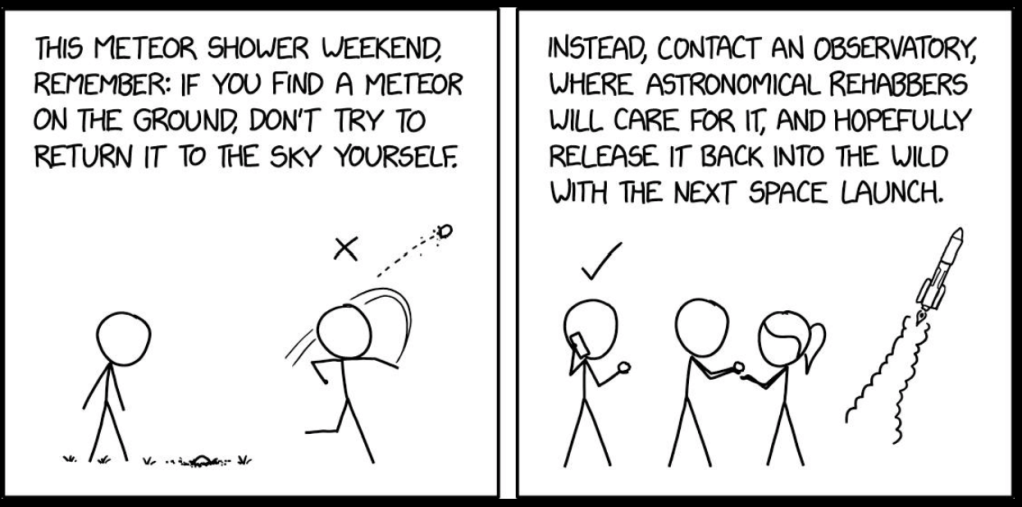
BobO submitted this XKCD (#2891) as a CIDU. I’ve zoomed the image to make the details easier to decipher.

…
The “mouseover” or “title” text reads: “I’m sure the building inspectors will approve my design once they finally manage to escape.“
P.S. I’m impressed that Randall Monroe drew each iteration of the square separately, and did not copy/paste anything.
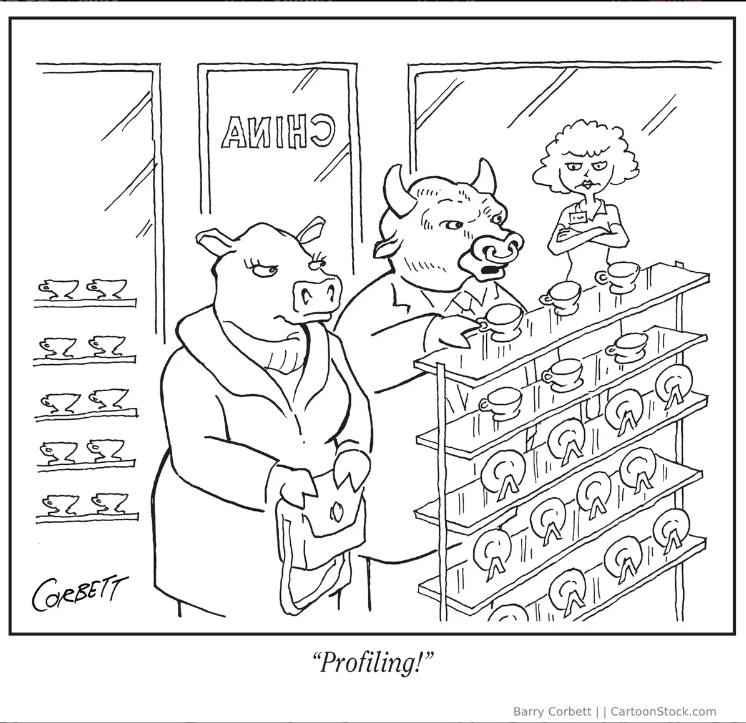
This is close to a CIDU, as there doesn’t seem to be a single best / obvious answer to the question.
Tim Harrod sends this in: “Whether you laugh or not, Jim Davis is historically reliable at coming up with a punchline. But here, the joke is apparently that the eggs are really spicy… and a lot of people ordered them. It could have been a scheme to sell a lot of milk, but then Irma should have more of a sly grin in the last panel.”

The gag seems straightforward, but Tim’s right: she should have a sly, knowing grin on her face.
On Monday, will we see Irma’s lasagna?
Probably more of an Awww than strictly an LOL.

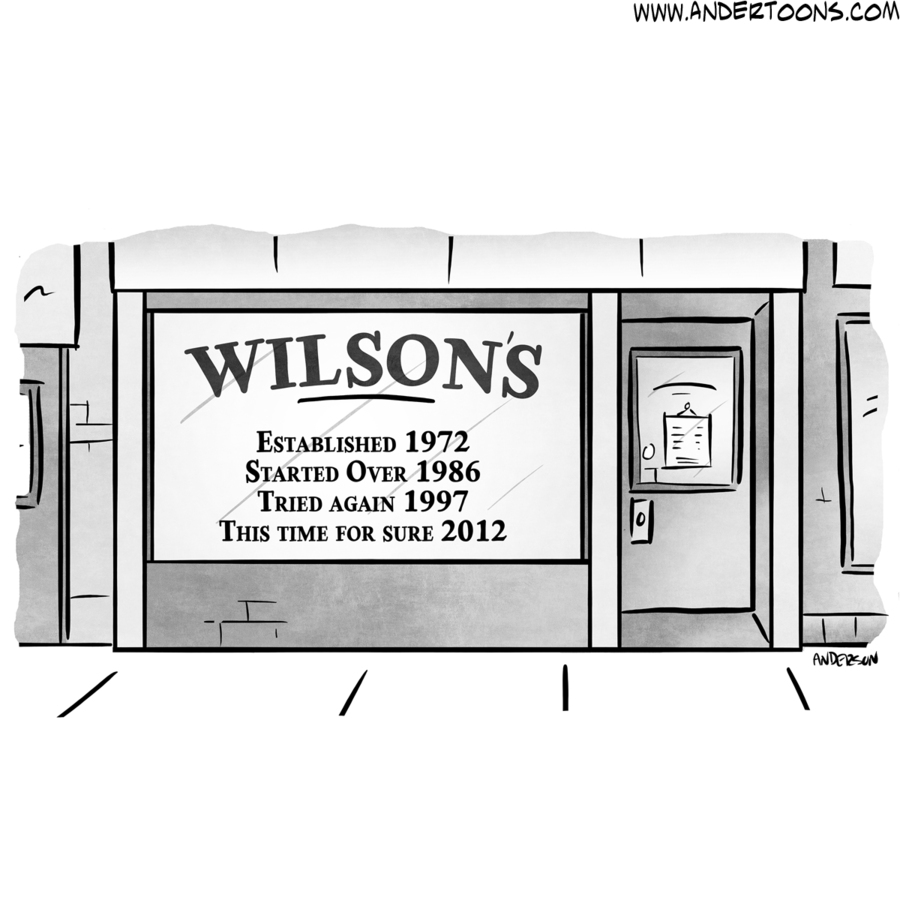
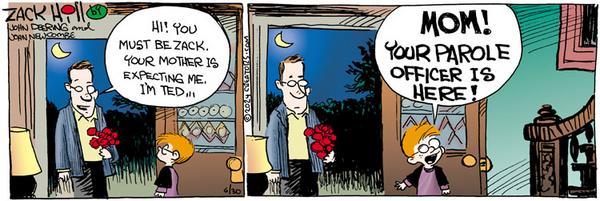

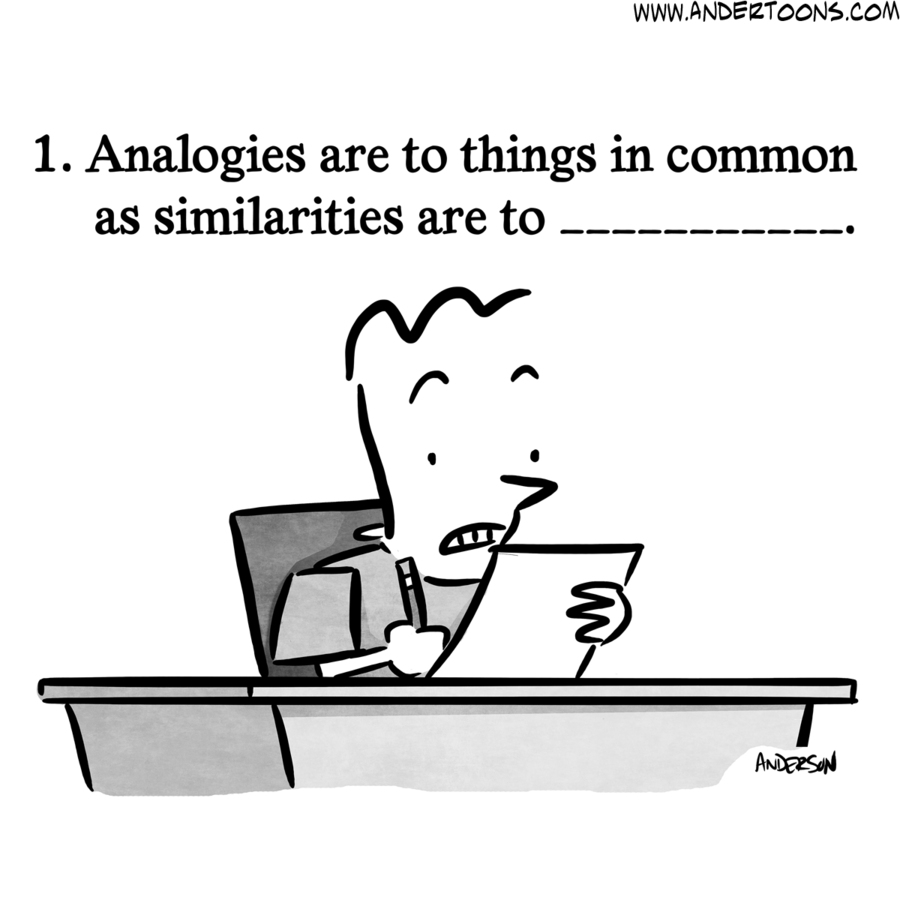
Continuing the metaphor: orange traffic cones are like the Legos strewn around the floor for the enjoyment of our feet. Potholes are teenage acne. Tickets are tuition bills.
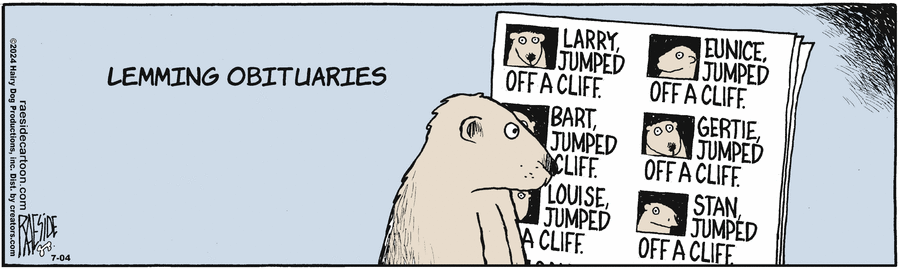
A little cross-strip banter –
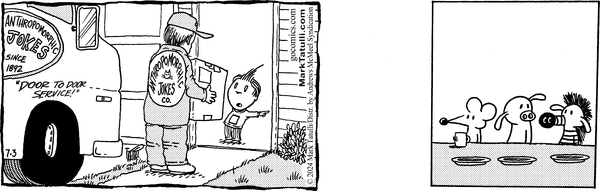

Hey, I don’t care that it’s been debunked, we can still have jokes based on it!
chemgal sends in this prime LOL:
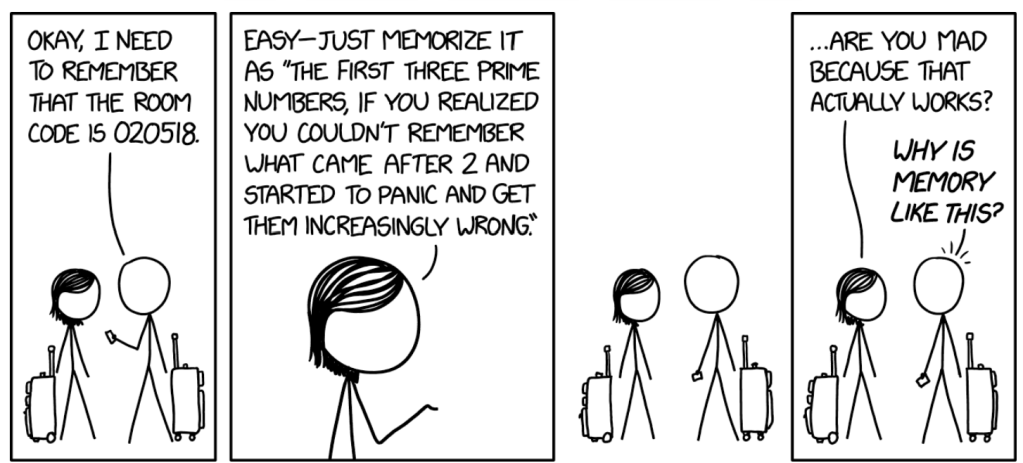
Alt text: Sorry to make you memorize this random set of digits. If it helps, it can also double as a mnemonic for remembering your young relatives’ birthdays, if they happen to have been born on February 5, 2018.

In case anyone was in doubt, there really is a very popular periodical called Wine Spectator.


Mark H. sends this one in as an LOL (not a CIDU). The original goes like this:
Jane and Martin
Sitting in a tree
K-I-S-S-I-N-G!
First comes love
Then comes marriage
Then comes baby
In a baby carriage!
So can we provide some finishes to Randall Munroe’s starting lines, or provide our own?

 Comics I Don't Understand