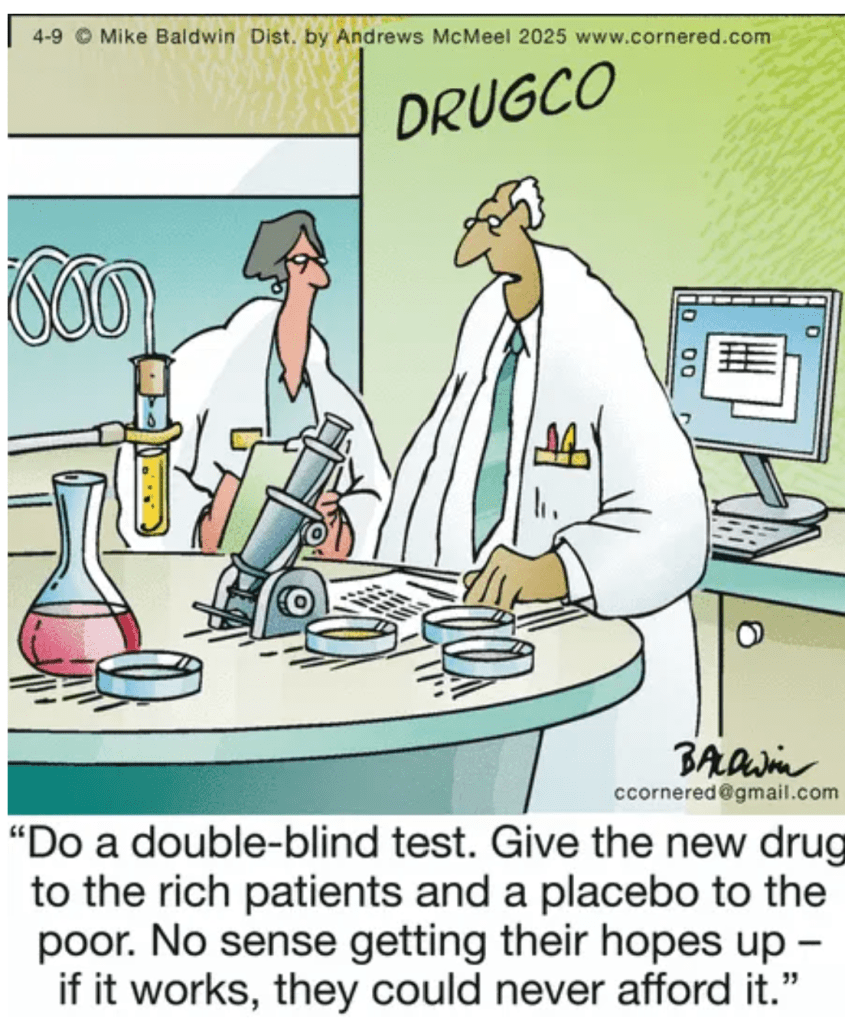
“On April 26, 1954, [70+1 years, -1 day ago] six-year-old Randy Kerr was injected with the Salk vaccine at the Franklin Sherman Elementary School in McLean, Virginia. By the end of June, an unprecedented 1.8 million people, including hundreds of thousands of schoolchildren, joined him in becoming “polio pioneers.” For the first time, researchers used the double-blind method, now standard, in which neither the patient nor person administering the inoculation knew if it was a vaccine or placebo. Although no one was certain that the vaccine was perfectly safe—in fact, Sabin argued it would cause more cases of polio than it would prevent—there was no shortage of volunteers.”
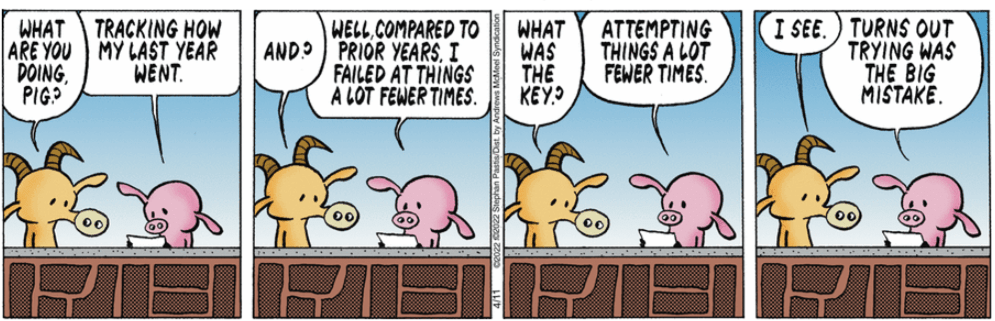
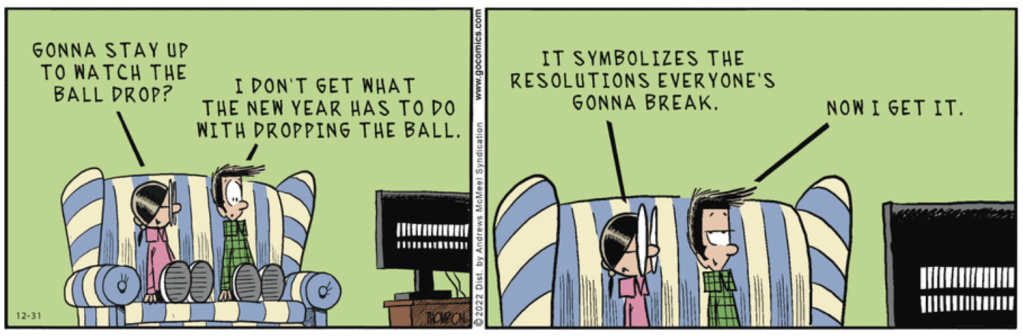
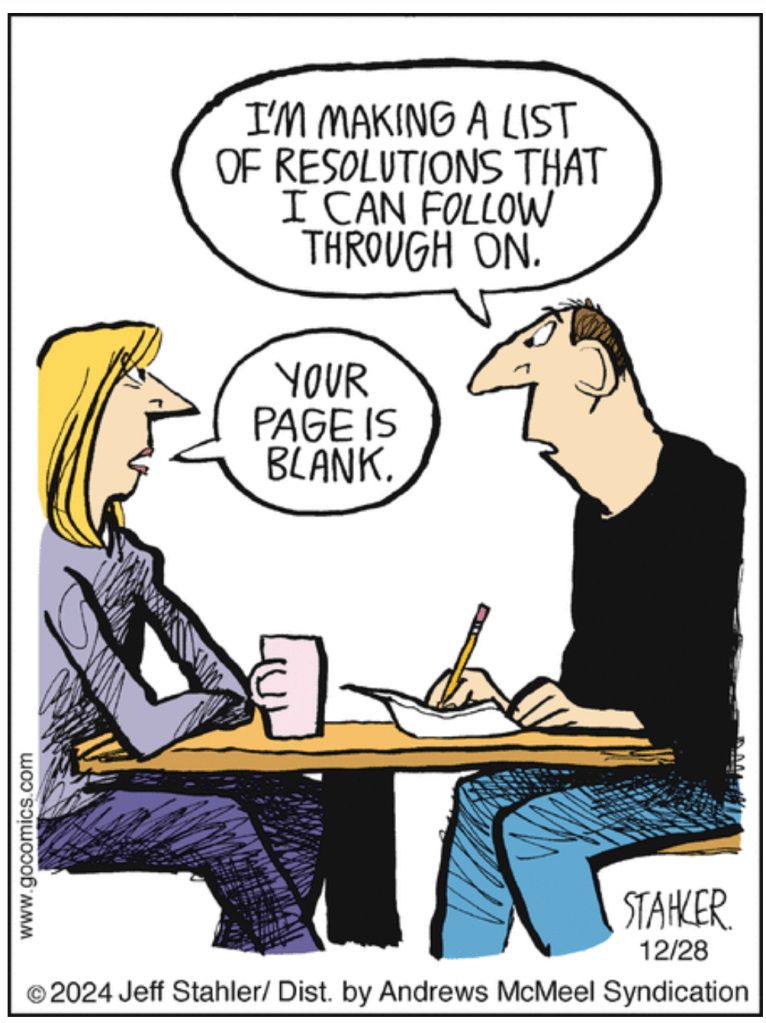
About 40% of Americans make resolutions, but this varies by age. Younger adults (59% of those ages 18 to 34 versus 19% of those older than 55), which I would ascribe to the optimism of youth versus the resignation of those whose past resolutions haven’t really improved their fitness or finances.
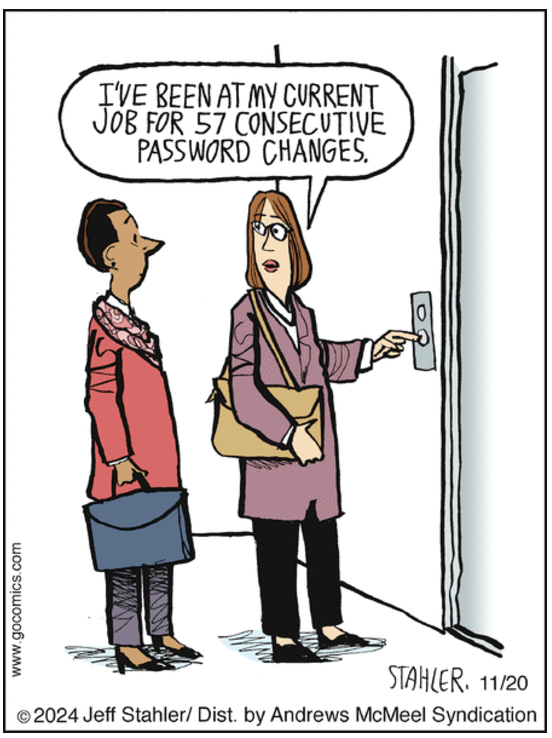
Mark H. sends this one in: “It’s clear that this protects passwords from others, since she neither writes them down nor remembers them. But it would seem like they are also protected from her, hence useless. Maybe she has to use the “forgot password” routine each time, and so the password is never the same?”
According to NordPass, the most common passwords are still the most useless ones:
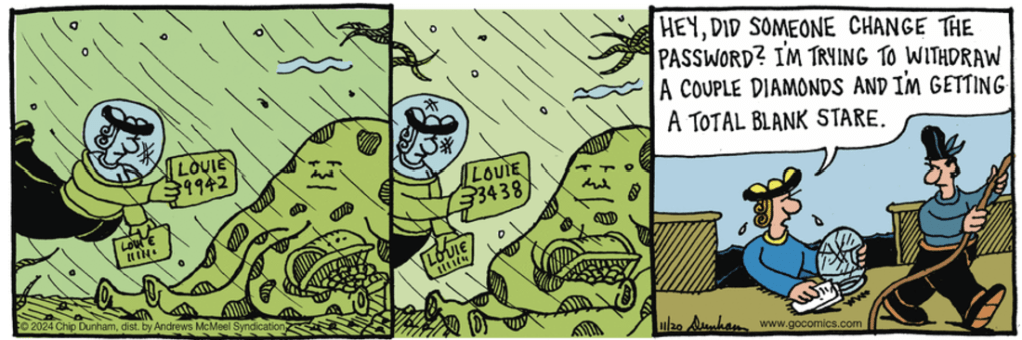
The same day Mark H. sent that in, there were two other password comics in my feed. These aren’t really synchronicities, because the jokes are all different, but why not pretend it’s National Password Day? (That’s actually the first Thursday in May.)
I worked at a company where every few weeks, a new 7 letter password would be automatically randomly generated for you. Well, maybe randomly. A colleague had gotten into a tiff with the head of IT, and his next password ended with 3 letters of his first name. The first 4 letters were an expression not allowed on vanity license plates. He was convinced there was nothing “random” about it. And, knowing the head of IT as I did, I’d bet he was right.
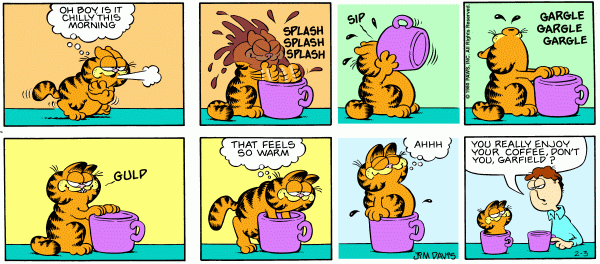
Coffee is consumed compulsively by many people all over the world, but cartoonists (who are notorious for keeping odd hours) seem to be especially susceptible to the allure of the drink’s stimulating properties. Given the excessive amount of publicity that many syndicated cartoonists produce for free, it’s remarkable that none of them has managed to land an advertising contract.
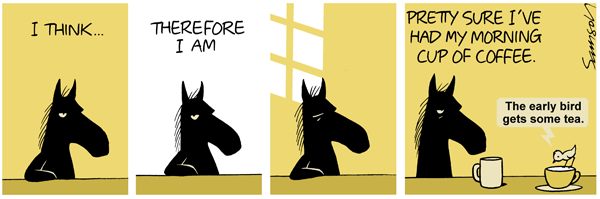
Similarly, Horace (or perhaps Samson?) has a serious addiction:
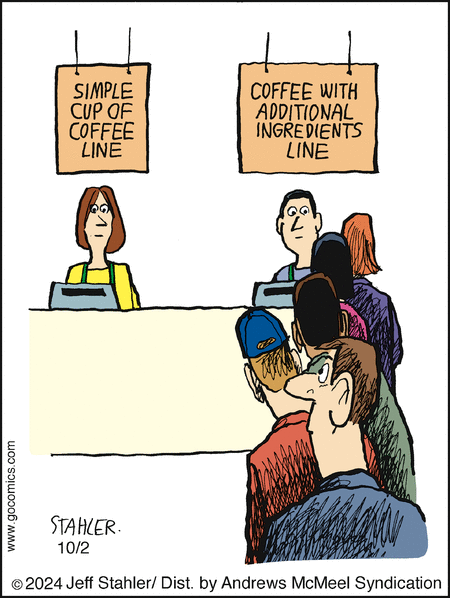
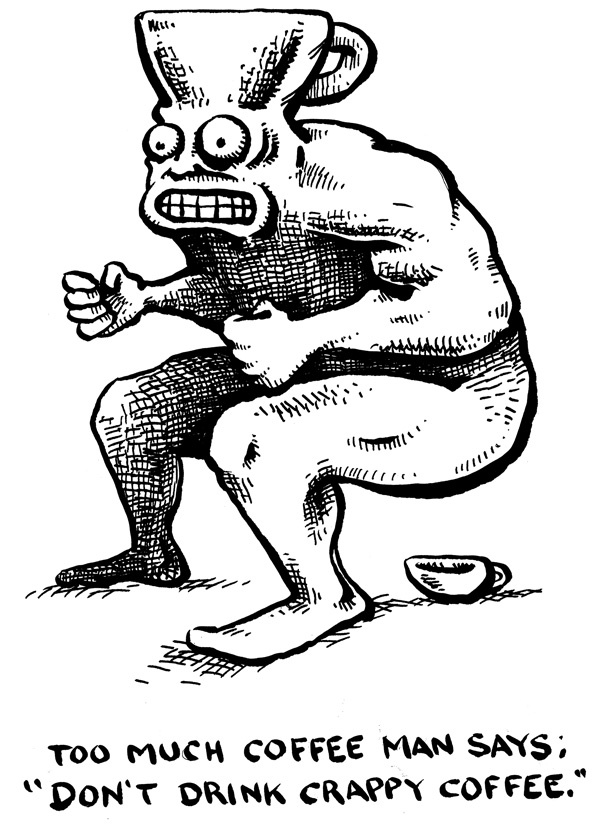
… P.S. Stahler’s “Moderately Confused” panel was the original inspiration for this entire post; Shannon Wheeler’s Too Much Coffee Man is not just the title, but also the main character of his entire feature.
Here’s a B.C. strip that Brian in StL submitted and was posted two years ago. Brian commented back then that: “It’s not entirely clear to me what’s going on. In a way, the first panels look like the preliminary sketches a cartoonist does. So is the coffee affecting him? Or is Jane now able to ‘focus’ since she‘s had coffee?“
Opinions differ on optimum methods of preparation:
Scientists have been researching the heath effects of coffee for decades; this editorial cartoon by Pat Oliphant was published in 1981:
… P.S. I was amused by the similarity in viscosity.
Here’s another Dark Side of the Horse (it won’t be the last):
Finally, one bastion of sanity in a lunatic world:
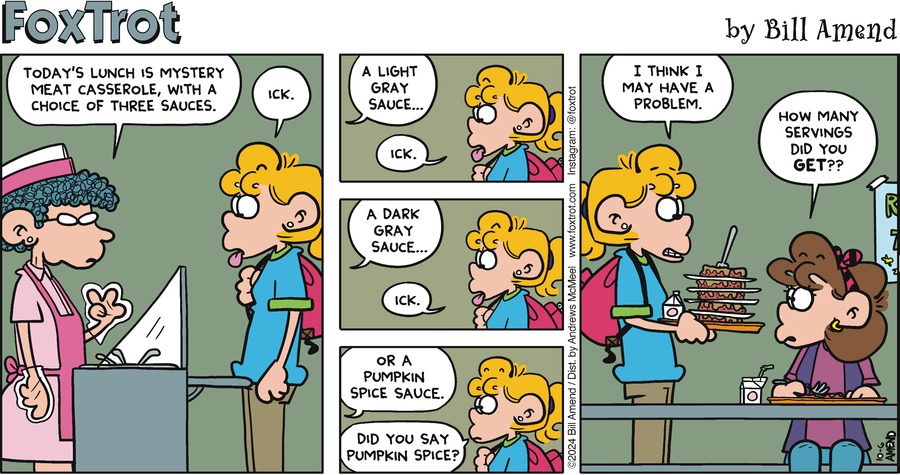
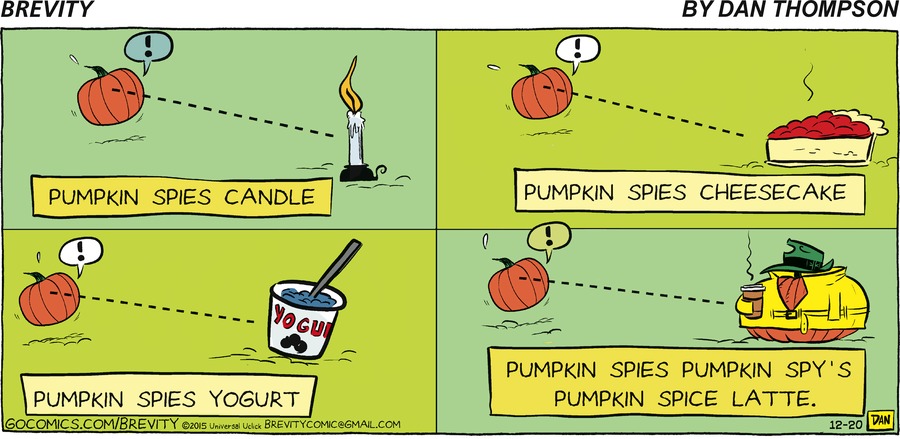
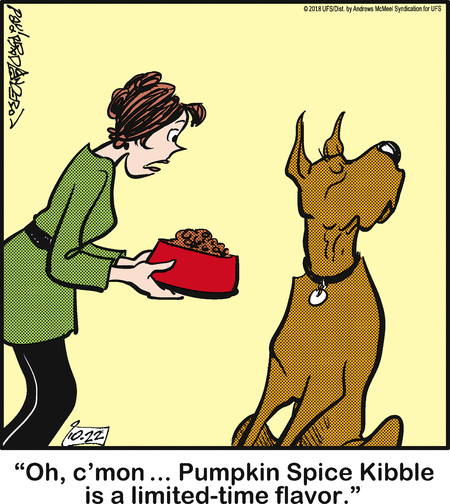
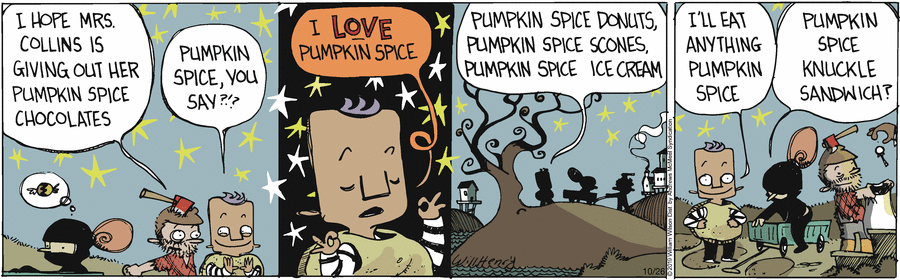
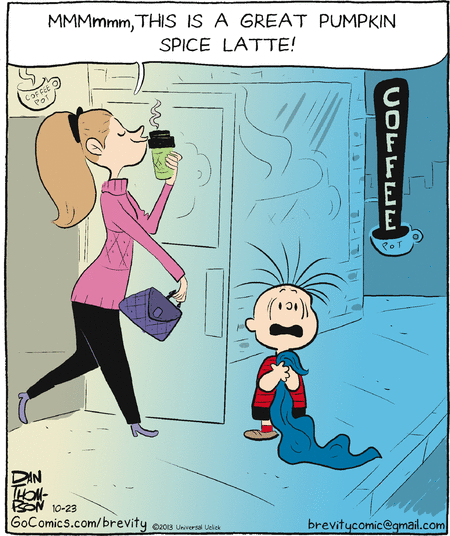
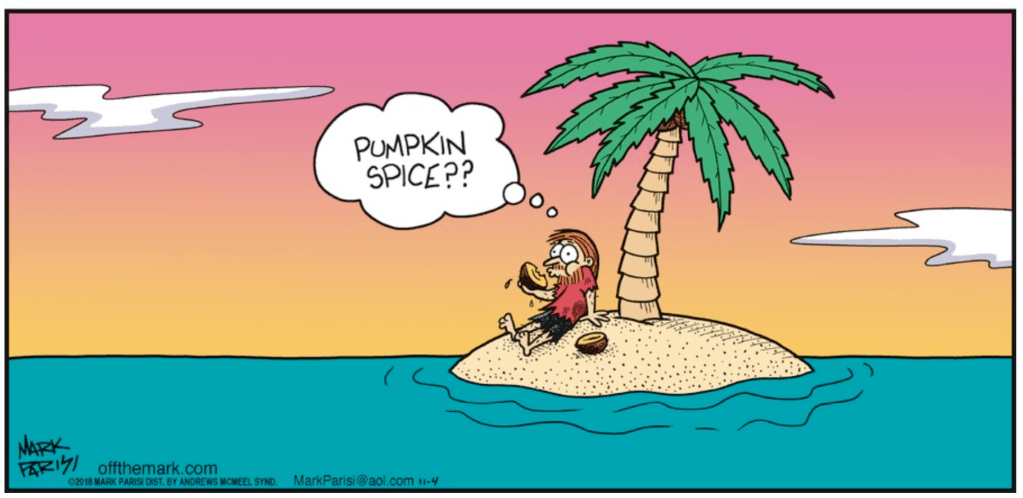
P.S. All of the previous appearances of Pumpkin Spice at CIDU were posted by Bill in the Fall of 2019; three of these presented some fairly hideous pumpkin spice flavored products (some real, some fictitious); click on the link if you are interested in seeing them. (Please note that the whole “pumpkin spice” collection will be presented in reverse chronological order, so you will have to scroll down past this one to get to Bill’s “spicy” material.)
P.P.S. – Edit: both links have been corrected, thanks to deety!
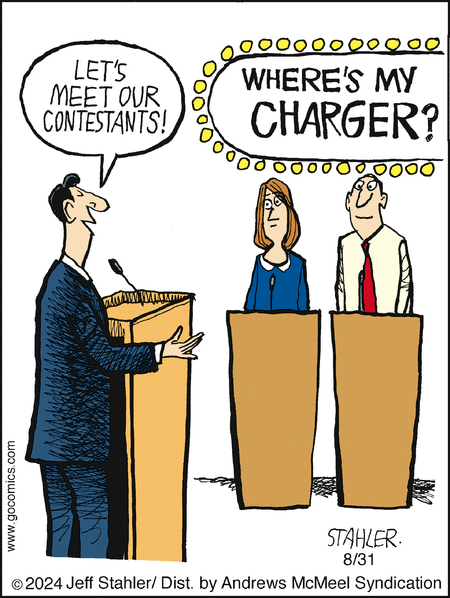
… I haven’t watched an American television game show in over three decades. I assume that they still exist, but I have no idea whether this comic might be playing on some current development in the genre.



















 Comics I Don't Understand