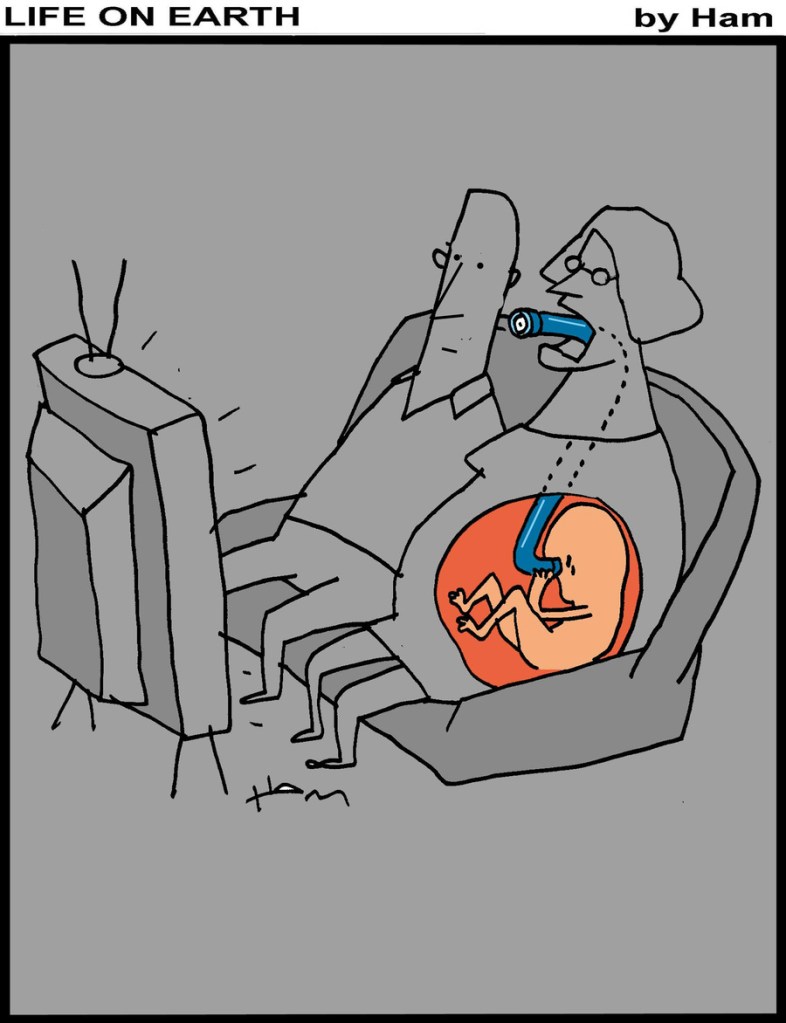
Oh, is this how it works?
(Sequence of two so far.)
Oh, is this how it works?
(Sequence of two so far.)

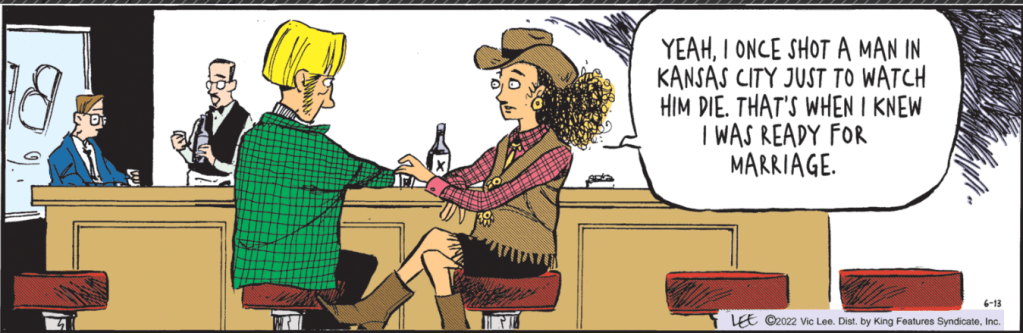
A CIDU (or Ooops!) from zbicyclist, who explains: The line from Folsom Prison Blues is “I shot a man in Reno, just to watch him die”. So what’s the significance of Kansas City (where everything is up to date, according to Rodgers and Hammerstein)?
Can you advance a principled reason for changing the city? And, more to the CIDU point, how does her “ready for marriage” second sentence relate to anything?
Thanks to Darren for sending this. His thoughts:
So does the fact that the statue is of Lenin mean anything here, or is it just a too-large ugly statue that could be of anyone? (Like Alice wanting a stone fountain for the backyard)
Seems odd that he would want a statue of Lenin or that his wife is only mildly annoyed with the purchase.
Or is this a name thing? Len likes a statue of someone named Len(in)? I don’t get it.

When I got Darren’s email, I almost immediately recognized his allusion to “Alice wanting a stone fountain for the backyard” as referencing a multi-strip story in Cul de Sac, which I had recently seen. But I couldn’t find it in recent GoComics reprints of the CdS archive. Anyhow, the CIDU advisers crew responded to my inquiry in our Random Comments thread, and identified the early appearance of the story starting around https://www.gocomics.com/culdesac/2009/12/02 and including for example this one:

Further, commenter jajizi identified an earlier similar storyline, starting around https://www.gocomics.com/culdesac/2008/09/02 and including for example:

Thanks to Jack Applin for sending this in.
BTW, the cartoonist’s title for this is “Sole food”.
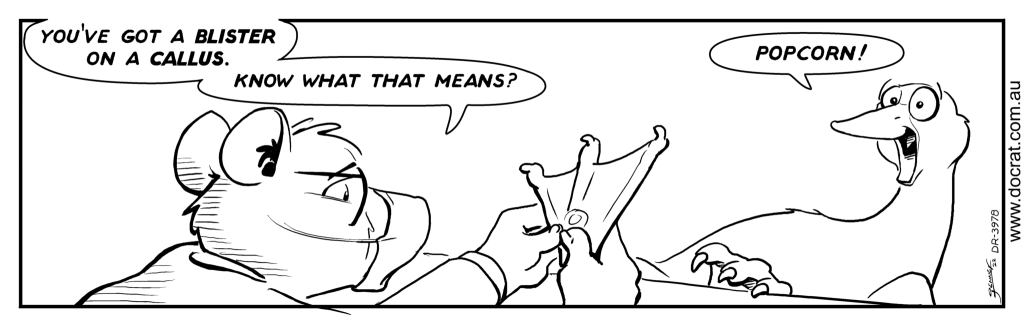


Sender Dana K and I were in minor disagreement over whether the word-play element here is pun-like enough to count as an OY. “Neg/Q Scope Ambiguity” is certainly there potentially in the 3rd panel; but it’s not clearly intentional, and even less the point of the gag.
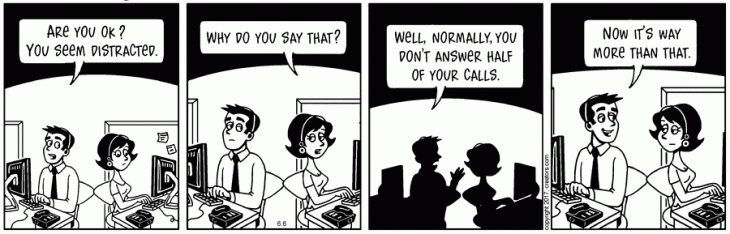


This Moderately Confused sent in by Rob is in what we might dub the “foibles funnies” genre:


Two funny bits that seem like they might belong more to winter publication. The Kliban of course is a reprint from ages ago, so that makes sense. And the Liz Climo is funny any time. Also noticed by Andréa and used in a comment!

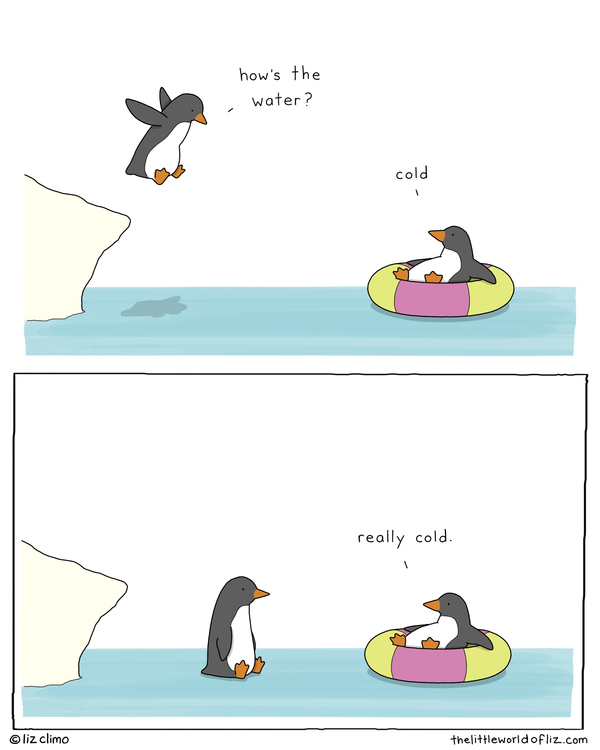
This took me a minute, as I don’t often use “home” for a physical house, the building.


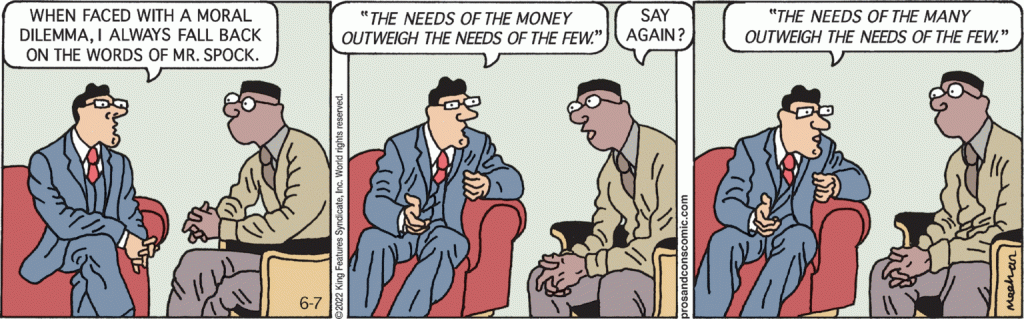
For anyone not familiar with the comic, the character on the right, Lyndon, is a psychiatrist or therapist. So Freudian slips are like his stock in trade. But there is something funny in how this patient or client responds to the “Say again?” with an almost-repetition and not acknowledging he has made a correction.
An excellent OY that also had me at least chuckling out loud.
(But I have to confess I don’t know who the guy on the right is. I hope his identity wasn’t another part of the joke.)

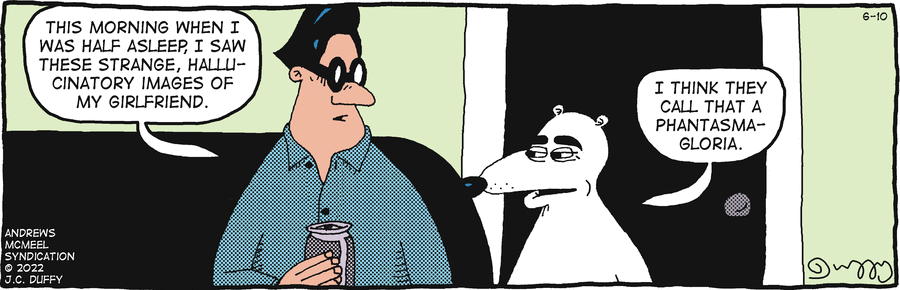
Thanks to Rob for these next two OYs (and some hard-to-classify strips coming up elsewhere on the site):


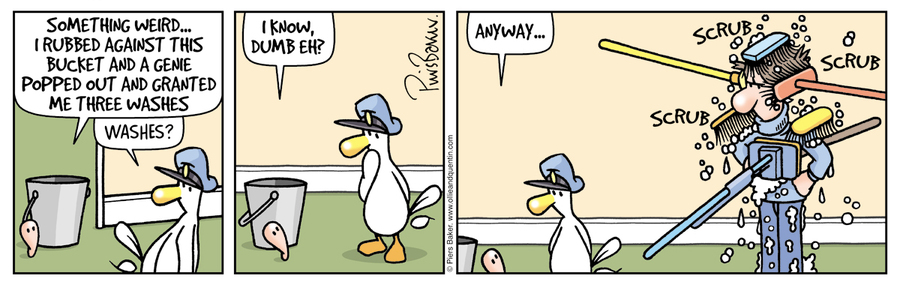
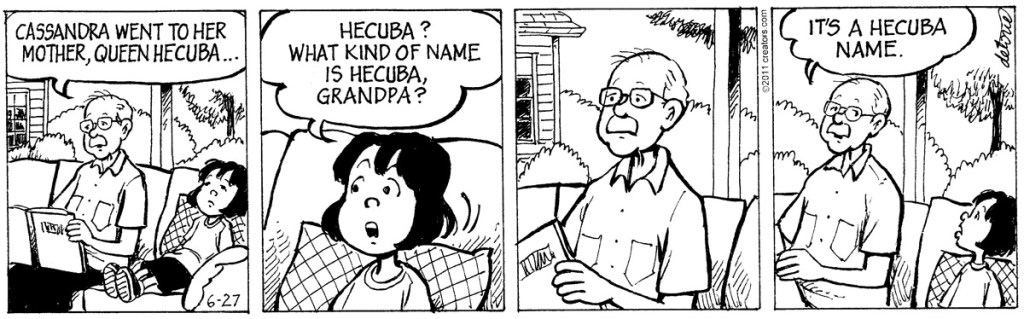
I guess I’m wrong here — I would have said this doesn’t work unless he actually says “Heckuva” (variation possible for the c and/or k, but the v obligatory). But the crowd at GoComics seemed to take it in stride.


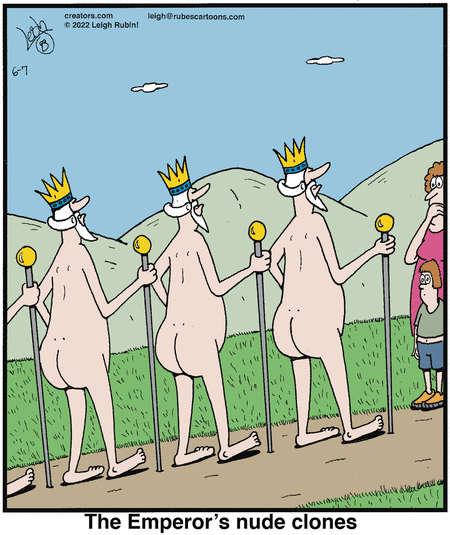
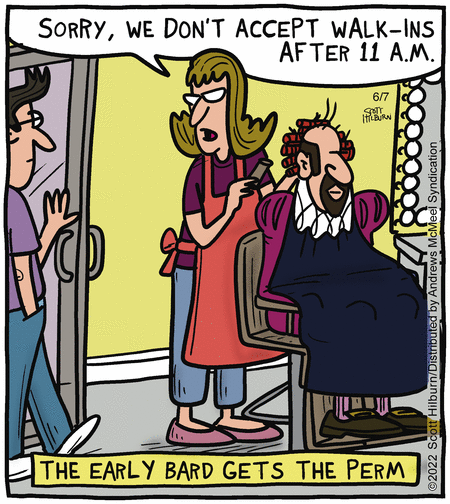
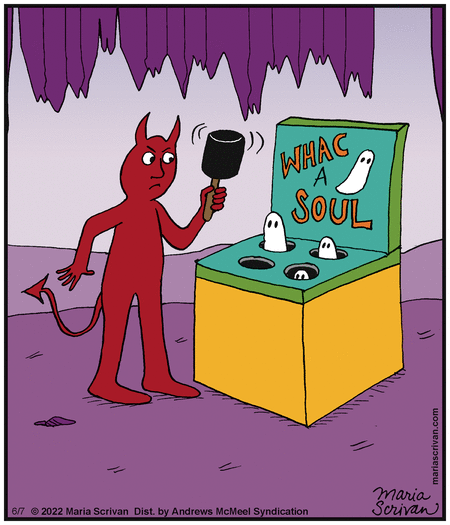

And a Sandal Synchronicity:


Thanks to Ken Berkun and to Dale Eltoft, who both sent it in, and may differ in theories of what the message ended up being.
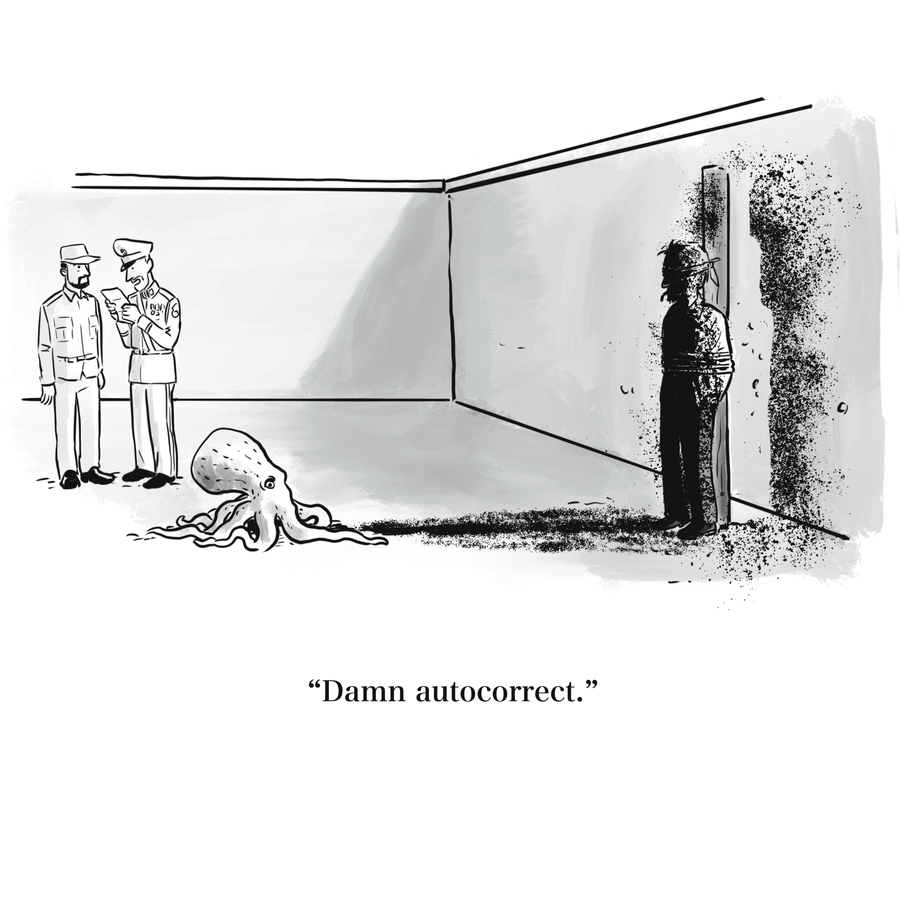
Thanks to Rob for this CIDU + Geezer panel from The Daily Drawing:
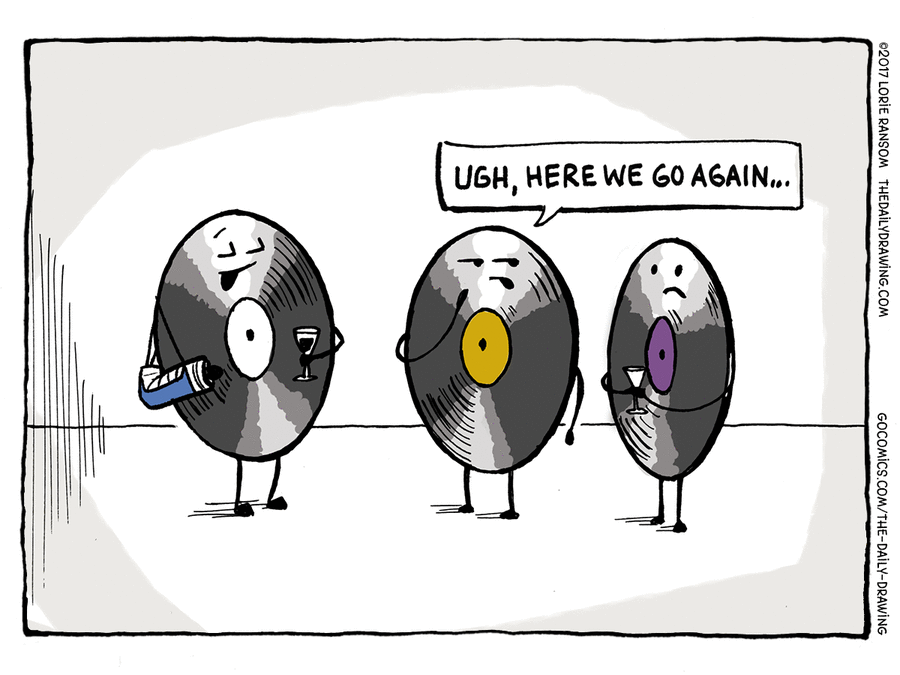
My memory was that the farm dogs were excluded from the rebellion because they were considered too close to the humans. But I just looked up a plot summary and it talks about “Napoleon’s dogs” repeatedly as enforcers.
Anyway, what had the pig just told the dog that needed this interruption?

Andréa says “We’ve had a pool for five years now, and other than kids peeing in it (which is why only dogs and adults are allowed in ours), I don’t understand this. Chlorine is MORE necessary when it’s warm and sunny . . . and yes, I remember we had some kind of discussion about kids in pools quite a while ago.”
What I even more don’t get is what the four descending inset panels are doing here at all. When are they taking place? In what way do they relate to the dialogue?

 Comics I Don't Understand