

Catptivity!
Gotta love the bugeyes on this guy!
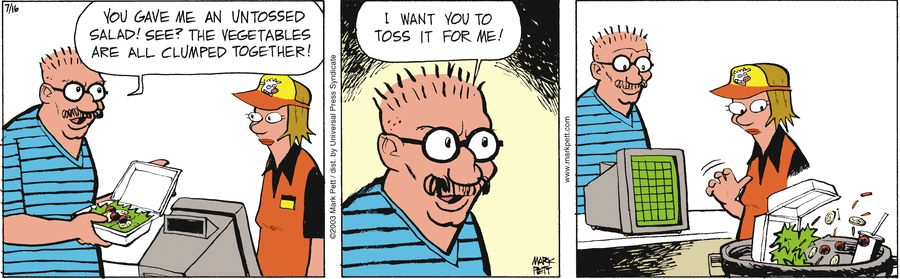

“What did the polite convict say after accidentally bumping the touring Governor visiting the facility?”

Catptivity!
Gotta love the bugeyes on this guy!
“What did the polite convict say after accidentally bumping the touring Governor visiting the facility?”


Can take a second to fill in the backstory.
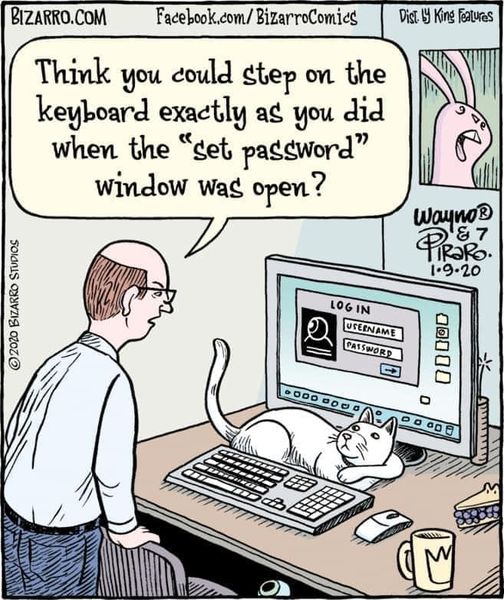


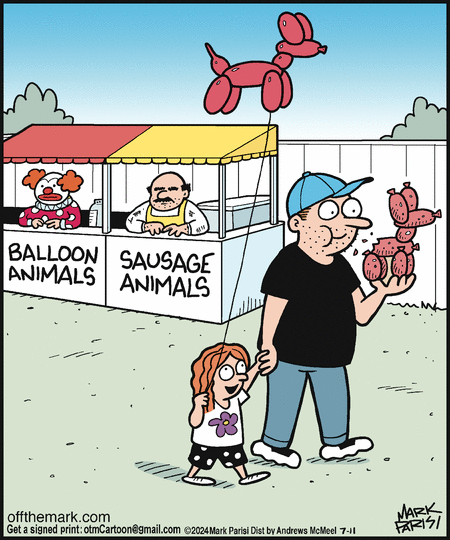


Now marking as a CIDU, for readers not familiar with the yips.


Stuck in the middle with youuuu ….

Here’s John McWhorter on stress (accent) retraction. (Should work as “gift link.”)
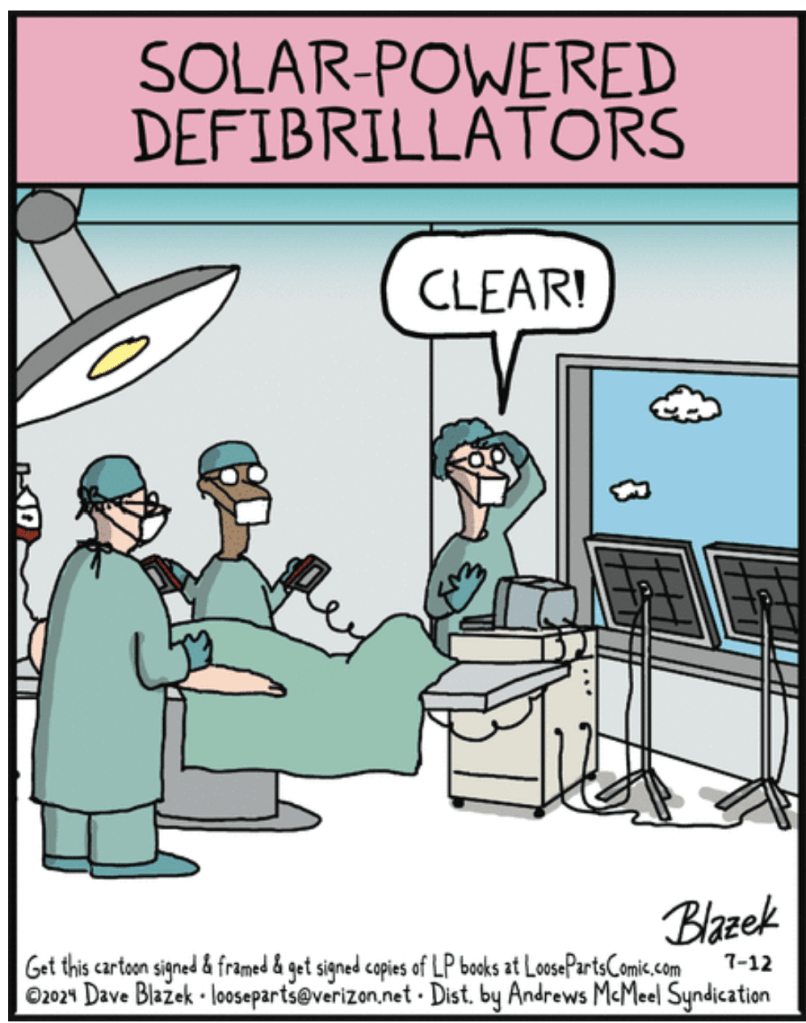
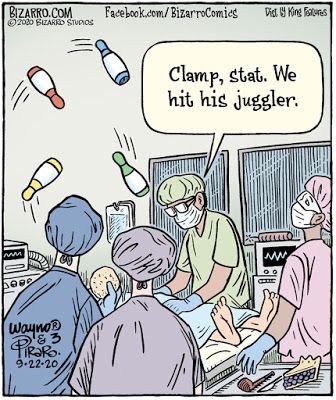
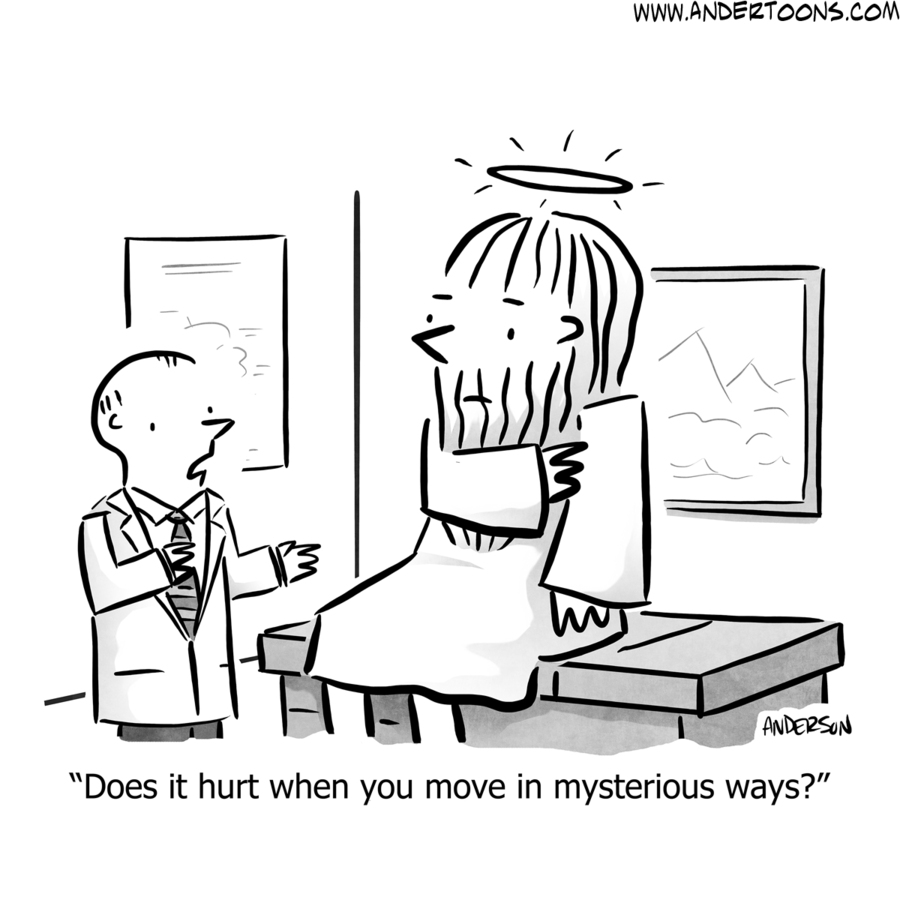


Awright, going meta on the meta, eh? And why not?

Boise Ed, sending this in, suggested that the cookie-based business card could be a great idea!


And I still maintain that the ugly Internet phenomenon of “trolling” started being called that from a metaphor on the fishing practice (dragging a baited hook behind a quiet small boat), and not the Scandinavian bridge-dwelling threateners.
Are we done with Bizarro for this post? Never say so!


I was preparing to protest that the expression is traditionally “strait and narrow” — which would be preferable despite its redundancy. The pattern of redundancy in rhetorical pairs remains hale and hearty, though some may wish it null and void.
But no! The useful sources recognize only “straight and narrow”, with just a nod to the echoes of “strait”. Here’s Etymonline f’ristance [in entry for straight (adj.2) = “conventional,” especially “heterosexual,” 1941]:
probably suggested by the stock phrase straight and narrow path or way, “course of conventional morality and law-abiding behavior” (by 1842), which is based on a misreading of Matthew vii.14 (where the gate is actually strait); another influence seems to be strait-laced.
No, let’s not get started on straight-jacket!


Et tu, Jeremy?


It could pass for simply an innocent pun — that’s a screwdriver so it’s driving for the two screws. But doesn’t something foreboding come thru anyway?


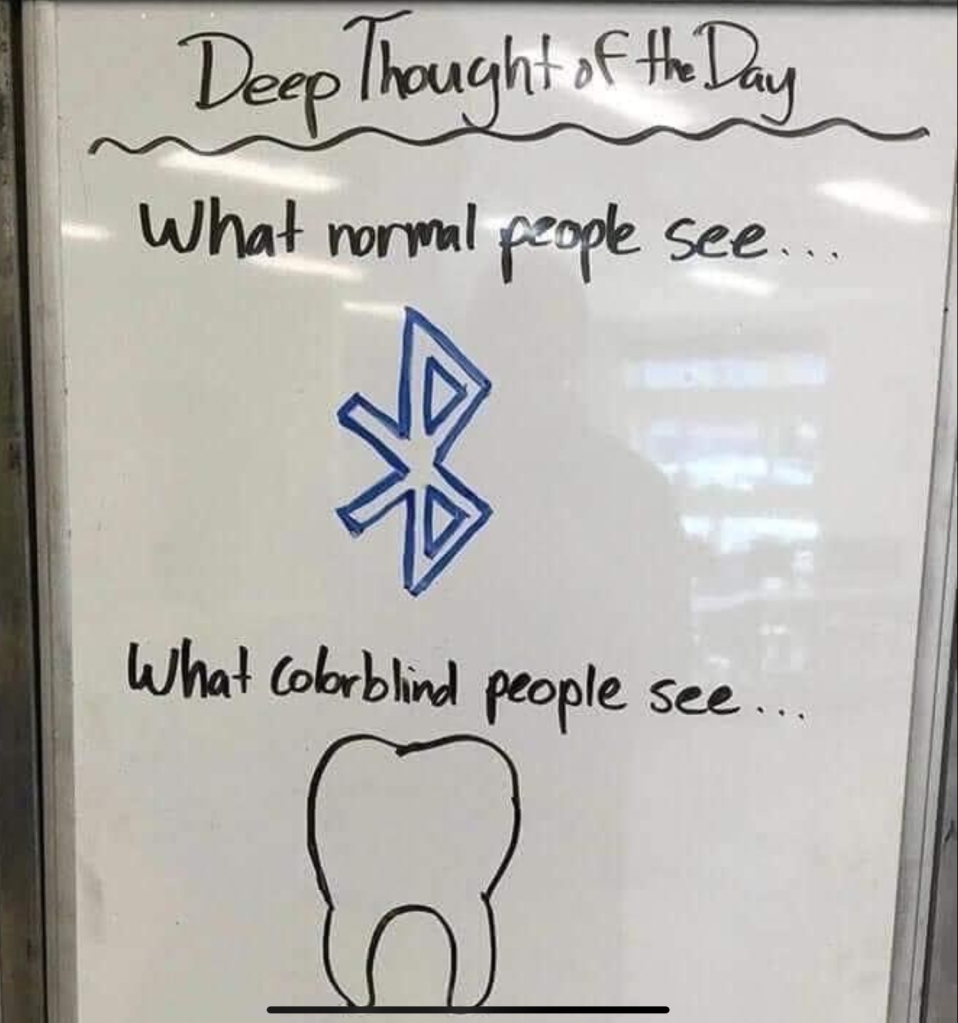


Rather dumb word-argument. But it prompts memory of an assortment of senior-targeted advertising campaigns which for a while used the phrasing “age 50 or better” or “age seventy-and-a-half or better” etcetera. It was supposed to be obvious, yet a sort of joke, that better would mean older. At least one that I heard regularly for a while did change to older; but then later reverted to better ; so I guess there was some complaint but it got resolved, or just overruled.


Come to think of it, probably the word-level associations of squashing things must have played a role in my lifelong aversion to the vegetable of that name.

Chak notes “I’ve read En attendant Godot several times, and I still don’t have a clue.”
Could one expect Godot to comment? Waiting for your comments below.
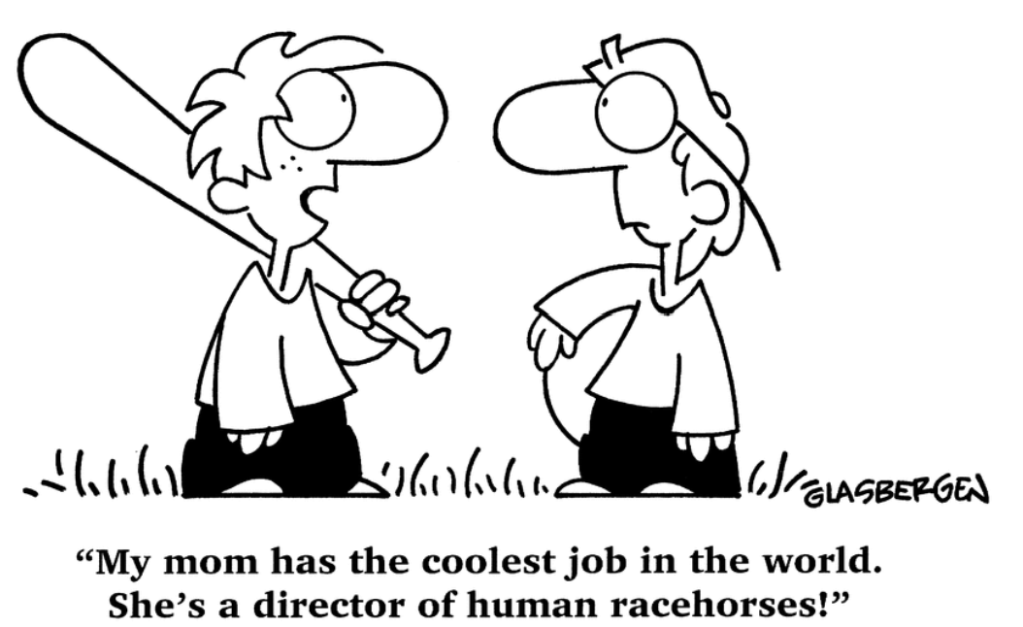
Missed this first time around, but picked it up from Wayno’s blog weekly review.


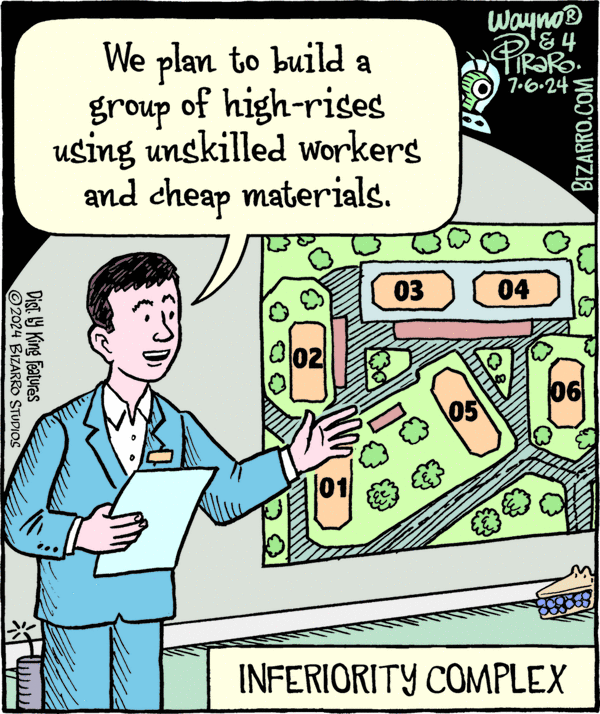
How do these respective two-word titles work with their panels? What do they even mean?


I had better luck with the first one after recalling the artist’s first name — but then there is the question of whether I’m mispronouncing something, because the phonetic joke isn’t working for me as it stands.


I guess I missed out Part I. This is trying hard, maybe too hard, but deserves to be seen for cheerful persistence even if not really for brilliant OY-ness.
Since this strip seems to offer a pun every day, it is hard not to over-indulge. But this one was immediately right in the OY spirit!

Ohhhh nooo! There is no way to stop at just one!


 Comics I Don't Understand