David Montgomery sends in this pair of chiasmuses? chaismi? chiasmae? Both are from October 18.


I went to Merriam-Webster online to look up the plural, but they don’t provide one; nor does the M-W Collegiate Dictionary, 11th edition. The example given online of the use of chiasmus cleverly avoids committing to a particular plural:

The word comes from Greek, so chiasmae would be confusing a Greek root and a Latin plural form, but stranger things have occurred in English. I think Sam Bray had it right: find a way to duck the issue.

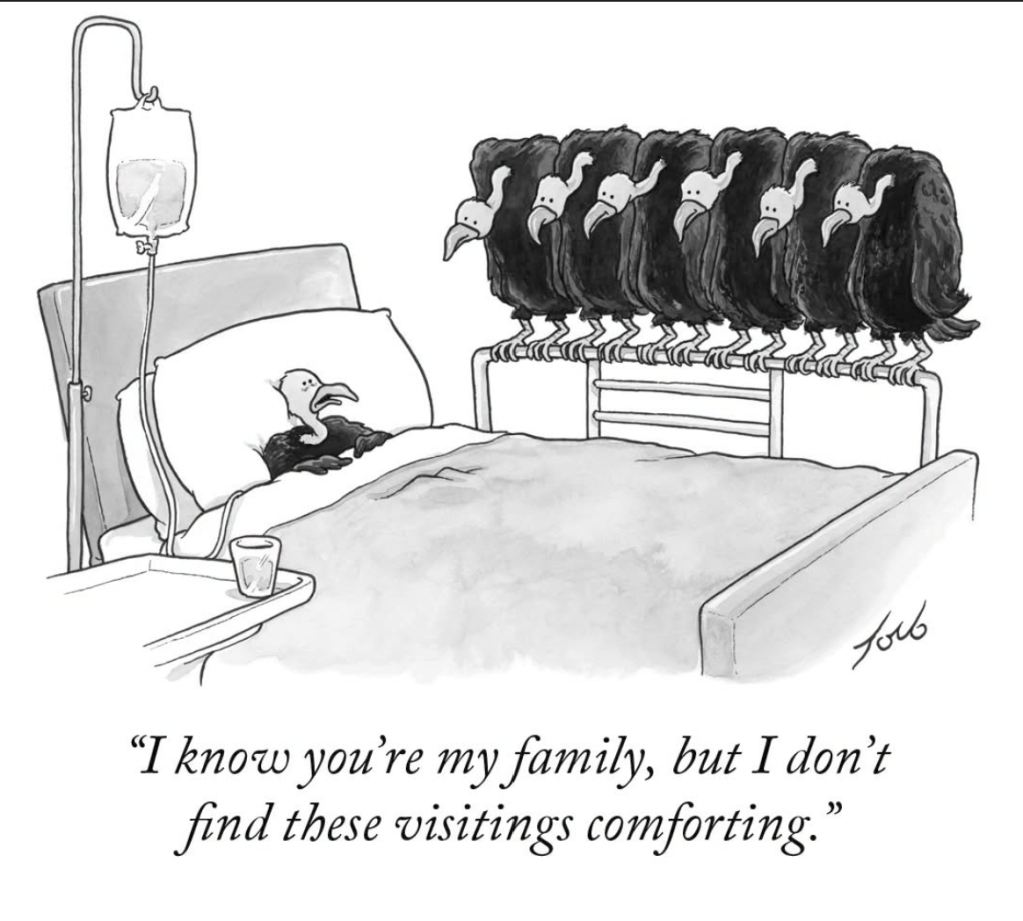
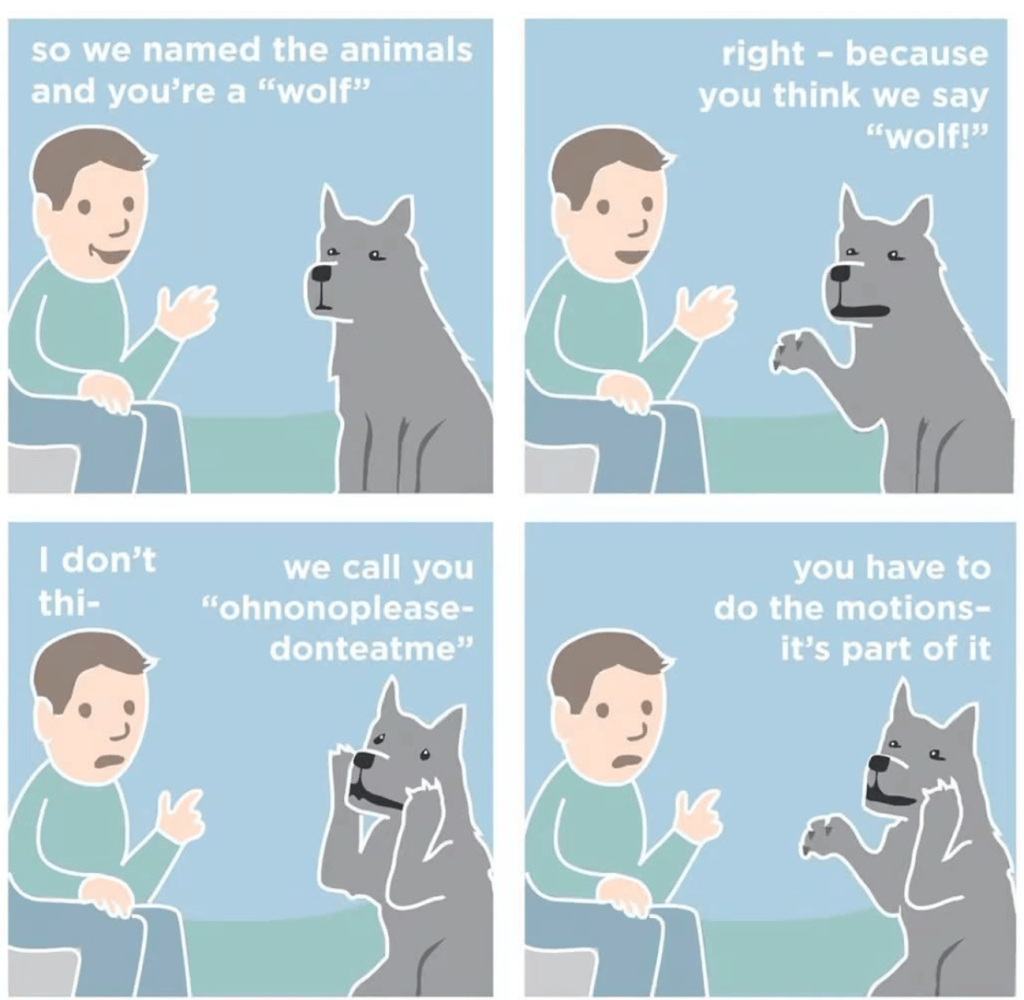
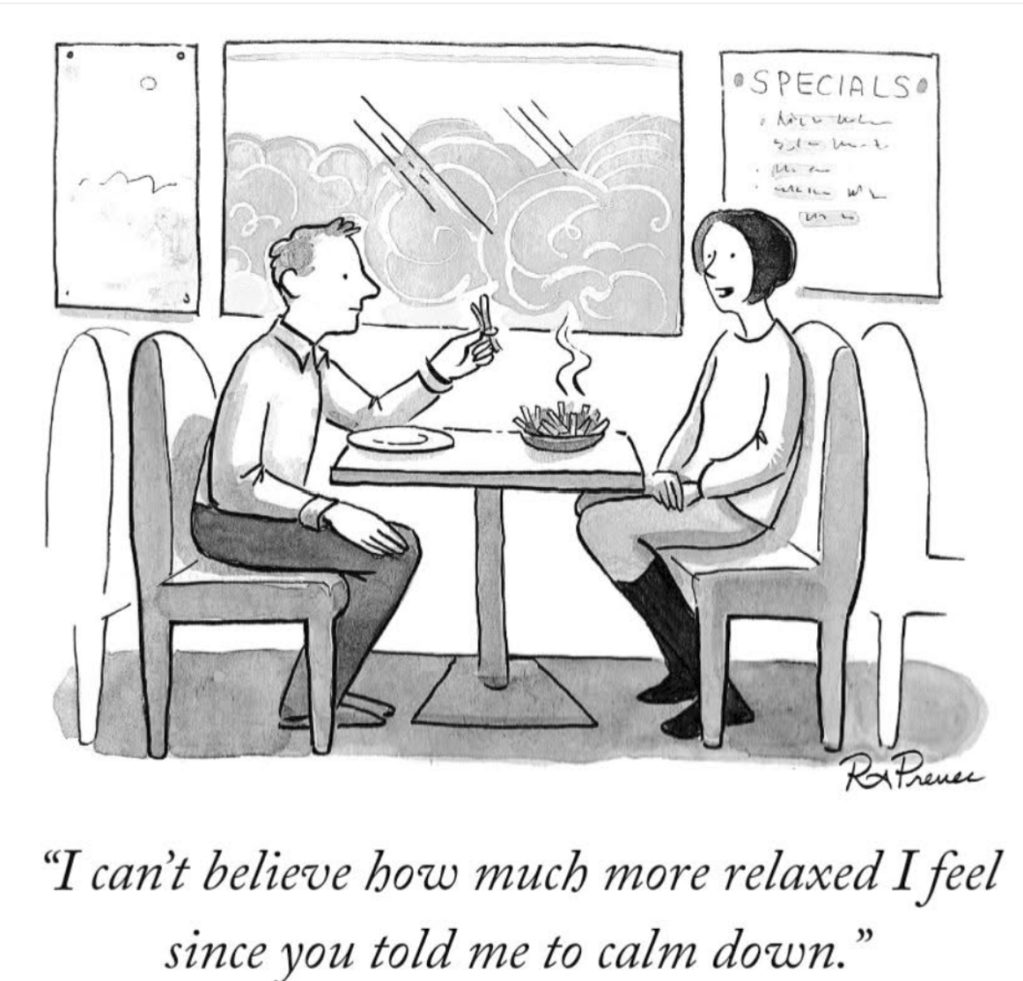
File this under “conversations that seldom actually occur” — which is, of course, the joke.




Various online dictionaries, including the Random House Unabridged, say the plural of chiasmus is chiasmi.
LikeLiked by 1 person
The “Harley” strip at the end reminded me of the “Oglaf” strip from Oct. 4th. (That link goes directly to the “safe” image, because the rest of Oglaf is emphatically NSFW.)
LikeLike
But speaking very broadly, using the English pattern is in most cases at least an acceptable alternative even if not standard or most preferred. I have never wanted to write octopi for instance, and have not been put down for octopuses — and thereby avoiding the octopodes crowd.
LikeLike
Wiktionary indicates that chiasmus is borrowed from Latin, not the original Greek, so the Latinate chiasmi is acceptable, as is the Angloform chiasmus.
LikeLike
I wrote Greek above in the origin, because I saw this in Merriam-Webster:
Etymology
New Latin, from Greek chiasmos, from chiazein to mark with a chi.
New Latin is the name for how Latin evolved in later centuries, e.g. during the Renaissance.
Discussing how much e chiasmus derives from Greek or Latin is one of those classic(al) disagreements.
LikeLike
So there’s this old comedy record called “Sing Along with JFK.” They took added actual audio of JFK (and Ike, and Nixon) and added a Ray Conniff-style chorus for a call-and-response. The “Ask Not Waltz” is built upon not one but two chiasmi, the one Barney refs in P5 and, “Let us never fear to negotiate, but let us never negotiate out of fear.” Problem is, following the rhythm of the song, it comes out, “Let us never fear to negotiate out of fear,” thus negating the whole message. But judge for yourself: https://youtu.be/fAt0S09RHjs?si=QKbbKiATWjxsgeob
LikeLiked by 1 person
According to Wikipedia, Clyde has confused chiasmus with antimetabole. The former repeats the structure of the initial phrase, but not the words.
LikeLike
As I read it, chiasmus is the technique, not the instance of its use. So, like dancing, there is no plural.
LikeLiked by 1 person
“From Greek, to mark with a chi”??? Well, chi looks like X, so maybe the tradition of “X marks the spot” goes back way farther than I ever thought.
But how does the Greek meaning relate to the current meaning?
LikeLiked by 1 person
Wikitionary says “chiasmus” can be both countable and uncountable, so “a chiasmus” and “two chiasmi” are not incorrect.
LikeLike
A, B
\ /
X
/ \
B, A
LikeLike
“Dancing” is a gerund, and would not have a plural for that reason.
LikeLike
And nobody’s mentioned “Are you working hard, or hardly working?” Don’t you people have Dads?
LikeLike
Brian in STL: Gerunds, being essentially nouns, can have plurals. For instance, the inner workings of a watch. A pile of wood shavings. The marathoners submitted all their timings to the committee.
LikeLike
This reminds me of the scientist in England who received a couple of interesting specimens from Australia. Not knowing how to pluralize it he wrote back, “Thank you for the platypus, and also the other one.”
LikeLiked by 1 person
Sorry, MiB, but you are incorrect. “A shaving” is a noun in and of itself, not a gerund. That’s why it can take an article. “Shaving” can be a gerund, but in uses like, “I hate shaving.” All gerunds end in -ing, Not all verbs ending in -ing are gerunds.
LikeLiked by 1 person
Sorry, not all NOUNS ending in -ing are gerunds.
LikeLiked by 1 person